
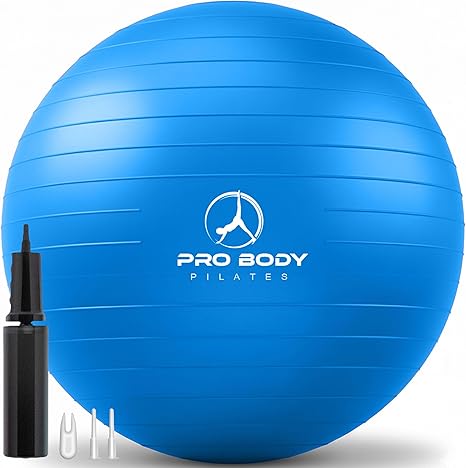
Quick Verdict
The ProBody Pilates Exercise Ball may be a versatile accessory for selected core, balance, and low-impact home exercises. A large inflatable ball can add movement variability and challenge body control, but it is not inherently better than floor-based or conventional resistance training. The current offer’s exact ball diameter, load rating, material, included pump, and anti-burst test documentation have not been independently verified.
PVL Rating: 3.9/5 (provisional)
- Potential exercise versatility: 4.4/5
- Storage and portability when deflated: 4.0/5
- Evidence supporting appropriately programmed core exercise generally: 4.2/5
- Exact ball anti-burst and load-rating verification: 1.9/5
- Value pending specifications and current price: 3.8/5
What Is the ProBody Pilates Exercise Ball?
It is an inflatable exercise ball marketed for Pilates-inspired movements, core exercises, stretching, and balance practice. The original listing describes multiple sizes, a textured surface, and anti-burst construction. Those features should be confirmed for the specific variant sold. Ball size, inflation level, flooring, and exercise technique can substantially change the experience.
Can an Exercise Ball Strengthen Your Core?
It can provide a challenging surface for selected trunk exercises when the movements are appropriate and progressed over time. However, greater instability or muscle activation does not automatically mean better strength gains. Core strength can also be developed with floor exercises, free weights, and resistance machines. Use the ball to complement a balanced routine.
Which Exercises Can You Do?
Depending on experience and manufacturer guidance, examples may include supported seated balance, controlled pelvic movements, selected bridges, or stability-ball variations of familiar exercises. Begin with easy movements near a clear area and avoid advanced rollouts or standing on the ball. Not every exercise shown online is safe for every user.
How Do You Choose the Right Size?
Exercise-ball diameter should match your height, limb proportions, intended exercises, and the manufacturer’s sizing chart. For seated movements, a comfortable position often involves stable foot contact and appropriate hip and knee angles, but there is no universal fit rule. Verify the exact diameter options and inflation instructions before buying.
What Does Anti-Burst Mean?
An anti-burst claim generally describes a ball designed to deflate in a more controlled way under specified conditions, but it does not mean the ball cannot fail. PVL has not verified test methods, maximum loads, or safety certifications for this variant. Follow the stated limits and inspect the ball before use.
How Much Should You Inflate It?
Follow the manufacturer’s diameter and inflation guidance rather than inflating until the surface feels maximally firm. Overinflation can affect comfort and stress the material, while underinflation changes stability and exercise mechanics. Measure the intended diameter if instructed, allow the material to settle as directed, and check the plug for leaks.
Is the Ball Safe on Every Floor?
Use it on a clean, level, non-slip surface away from sharp objects, stairs, furniture edges, and heat. The ball can roll unexpectedly, especially during mounting and dismounting. Keep enough clearance to avoid collisions, and stop if the ball slides, leaks, or loses shape during exercise.
Does It Improve Balance or Posture?
Some exercises can challenge balance and movement control, but improved posture or everyday stability is not guaranteed by simply sitting on a ball. Training outcomes depend on exercise choice, progression, and individual needs. The ball should not be marketed as a proven posture-correction treatment or a substitute for an ergonomic workstation.
Can You Use It During Pregnancy?
Only with exercise choices appropriate to the pregnancy and guidance from a qualified maternity clinician when needed. Inflatable balls are used in some prenatal movement routines, but individual balance, symptoms, and medical restrictions matter. Avoid movements that risk falling, and do not assume a general exercise ball is certified for labor or birthing use.
Is It Suitable for Physical Therapy?
Exercise balls are sometimes used in rehabilitation settings, but this consumer product is not a medical treatment. The correct exercise, resistance, and level of instability depend on diagnosis and recovery stage. Follow professional guidance after injury or surgery and stop if a movement causes pain, dizziness, or worsening symptoms.
What About Durability and Maintenance?
Inspect the ball for punctures, cracking, surface wear, air loss, and plug problems before each session. Keep it away from sharp edges, excessive heat, and conditions prohibited by the manufacturer. Replace damaged equipment rather than attempting risky repairs. PVL has not independently tested long-term wear or burst resistance.
Who Should Consider It?
It may suit adults seeking varied floor-based exercise, controlled balance practice, or a Pilates-inspired home routine. Those with significant balance problems, limited space, or difficulty getting on and off an unstable surface may prefer stable alternatives. A ball is not essential for an effective strength or mobility program.
Pros and Cons
Pros
- Supports selected core, balance, and mobility exercises
- Offers a different challenge from stable floor-based movements
- Can be stored deflated when appropriate
- Potentially useful for varied low-impact routines
Cons
- Can roll or slip unexpectedly
- Exact anti-burst rating, load capacity, and accessories remain unverified
- Requires correct sizing and inflation
- Not appropriate for every pregnancy or rehabilitation exercise
Frequently Asked Questions
Can the ProBody Pilates Exercise Ball strengthen your core?
It can support core exercises that challenge trunk control and strength when performed with appropriate technique. Results depend on the chosen movements, effort, and progression. An unstable surface does not automatically outperform traditional exercises. Start with manageable positions and use the ball as one part of a broader strength routine.
How do I choose the correct ProBody exercise ball size?
Use the manufacturer’s size chart and consider your height, intended exercises, and seated comfort. A properly sized ball should allow controlled movement with stable foot contact for seated exercises. Exact diameters and sizing recommendations for the current variant have not been verified here. Avoid selecting solely by color or appearance.
What does anti-burst mean on a Pilates ball?
Anti-burst generally refers to construction intended to reduce sudden air release under specified conditions, not a guarantee against failure. The current ProBody variant’s test methods and load limits are unverified. Follow manufacturer inflation and weight guidance, inspect for damage, and avoid sharp objects or unsupported high-risk movements.
Is the ProBody exercise ball safe during pregnancy?
Some gentle exercises may be appropriate, but safety depends on the pregnancy and the movement selected. Consult a maternity clinician when guidance is needed, especially with complications or balance concerns. Avoid exercises with a significant fall risk. Do not assume a standard exercise ball is approved for birthing or labor use.
Can a Pilates ball improve posture and balance?
Selected exercises can challenge balance and trunk control, but improvements are not automatic. Simply sitting on an exercise ball does not reliably correct posture. A structured program and appropriate progression matter more than the equipment alone. Choose stable alternatives if the ball causes discomfort, fatigue, or difficulty maintaining safe positioning.
How should I inflate and maintain a ProBody exercise ball?
Follow the manufacturer’s inflation instructions, intended diameter, and stated load limits. Check the plug and surface for leaks, cracks, or punctures before each session. Avoid overinflation, sharp objects, and excessive heat. Stop using a damaged or unstable ball, and verify whether a pump is included in your package.
Final Verdict
PVL Rating: 3.9/5 (provisional). The ProBody Pilates Exercise Ball may add variety to home core and balance exercises, provided it is sized, inflated, and used correctly. Its benefits should not be confused with verified posture correction or injury rehabilitation. Confirm the current variant’s dimensions, load limits, and anti-burst documentation before buying.
Reviews
There are no reviews yet.