Quick Answer
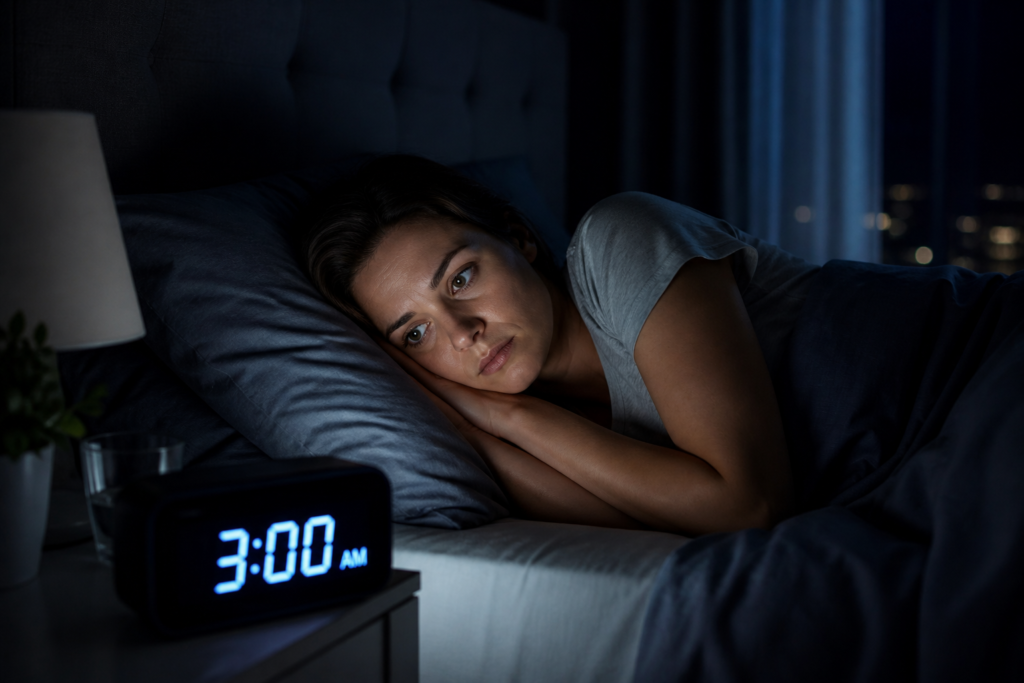
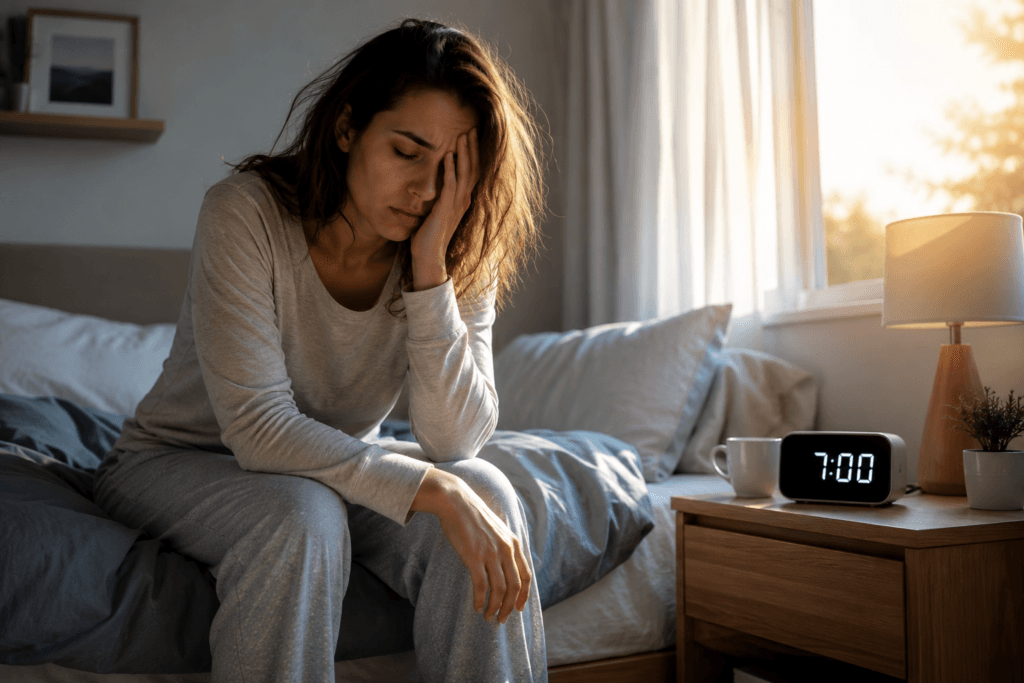
Feeling tired after 8 hours of sleep is more common than many people realize. Poor sleep quality, frequent nighttime awakenings, stress, sleep disorders, nutritional deficiencies, dehydration, medications, and underlying health conditions can all leave you feeling exhausted despite spending enough time in bed. Improving sleep habits and identifying the underlying cause may help restore your energy.
Key Takeaways
- Eight hours in bed does not guarantee restorative sleep. Repeated awakenings, stress, breathing problems, or poor sleep timing can reduce sleep quality.
- Sleep quantity and sleep quality are different. Healthy sleep includes moving through light, deep, and REM sleep with limited disruption.
- Persistent fatigue can have several causes. Sleep disorders, nutrient deficiencies, dehydration, medications, and underlying health conditions may contribute.
- Daily habits can support better recovery. Consistent sleep times, a calm bedroom, stress management, regular activity, and less late caffeine may help.
- Ongoing exhaustion deserves attention. Seek professional evaluation when fatigue persists or occurs with loud snoring, breathing pauses, or unintended daytime sleep.
- Key Takeaways
- Introduction
- Is It Normal to Feel Exhausted After a Full Night's Sleep?
- What's the Difference Between Sleep Quantity and Sleep Quality?
- Could Poor Sleep Quality Be the Real Problem?
- Are You Waking Up During the Night Without Knowing It?
- Can Stress and Anxiety Make You Feel Tired All Day?
- Is Your Body Clock Working Against You?
- Could Sleep Apnea or Another Sleep Disorder Be to Blame?
- Could Nutrient, Thyroid, or Hormonal Issues Be Affecting Your Energy?
- Does Your Diet Play a Role in Morning Fatigue?
- Could Dehydration Be Making You Feel Sleepy?
- Are Your Medications Contributing to Fatigue?
- When Should You Be Concerned About Constant Tiredness?
- What Simple Habits Can Help You Wake Up Feeling Refreshed?
- Best Products to Consider
- Frequently Asked Questions
- Final Summary
- Related Reads
Introduction
You climb into bed at a reasonable hour, sleep for eight hours, and expect to wake up refreshed.
Instead, you hit the snooze button three times, drag yourself through the morning, and wonder why you still feel exhausted.
If this sounds familiar, you’re not alone.
Living with sleep apnea taught me that spending enough hours in bed does not always mean getting restorative sleep. For years, I often woke up tired despite sleeping eight hours or more. Improving sleep quality made a much bigger difference to my energy than simply sleeping longer.
Many people assume that eight hours automatically equals good sleep, but the reality is more complicated. Sleep duration is only one part of the equation. The quality of your sleep, your sleep cycles, lifestyle habits, stress levels, and even underlying medical conditions can all affect how rested you feel the next day.
The good news is that waking up tired isn’t always something you simply have to live with.
Understanding what may be happening behind the scenes is often the first step toward finding a solution. For a broader framework, see our complete guide to improving sleep quality naturally.

Is It Normal to Feel Exhausted After a Full Night’s Sleep?
Occasionally waking up tired after a late night or a stressful week is perfectly normal.
However, feeling exhausted day after day despite getting around eight hours of sleep deserves a closer look.
Sleep is meant to restore your body and mind.
During the night, your brain processes memories, hormones are regulated, muscles recover, and countless repair processes take place throughout the body.
When these processes are interrupted or incomplete, you may spend enough time in bed but still wake up feeling unrefreshed.
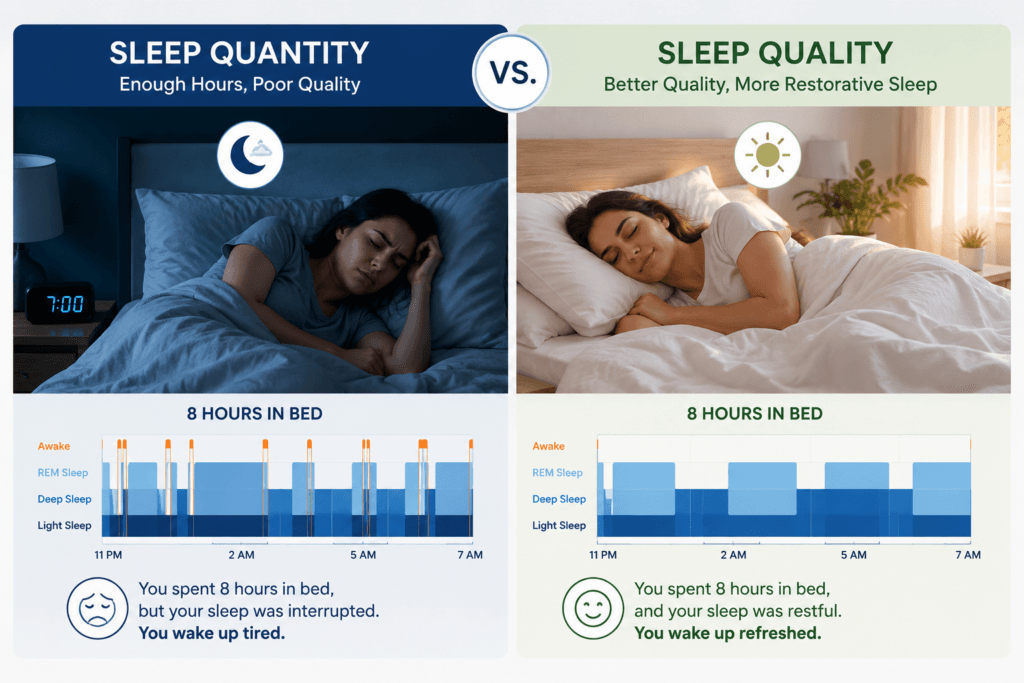
The important point is that sleep quantity and sleep quality are not the same thing.
What’s the Difference Between Sleep Quantity and Sleep Quality?
Many people focus almost entirely on how many hours they sleep.
While total sleep time matters, it doesn’t tell the whole story.
Imagine spending eight hours in bed but waking up repeatedly because of noise, stress, or breathing problems.
Technically, you slept for eight hours.
In reality, your sleep cycles may have been fragmented all night long.
Good sleep quality generally includes:
- Falling asleep within a reasonable amount of time
- Staying asleep most of the night
- Cycling naturally through light sleep, deep sleep, and REM sleep
- Waking up feeling reasonably refreshed
- Remaining alert throughout the day
Someone sleeping six and a half hours of uninterrupted, restorative sleep may actually feel better than another person who spends nine restless hours in bed.
Could Poor Sleep Quality Be the Real Problem?
One of the most overlooked reasons for persistent fatigue is poor sleep quality.
You may not even realize your sleep is being interrupted.
Small disturbances can prevent your body from spending enough time in the deeper stages of sleep that support recovery.
Common contributors include:
- Bedroom noise
- Excessive light exposure
- Room temperatures that are too warm
- Stress
- Frequent bathroom trips
- Alcohol before bed
- Irregular sleep schedules
Even brief awakenings that you don’t remember in the morning can reduce the restorative value of your sleep.
Improving your sleep environment may have a surprisingly large impact on daytime energy. If noise or heat is fragmenting your nights, test those variables separately with our guides to the best sounds for sleep and best sleeping temperature.
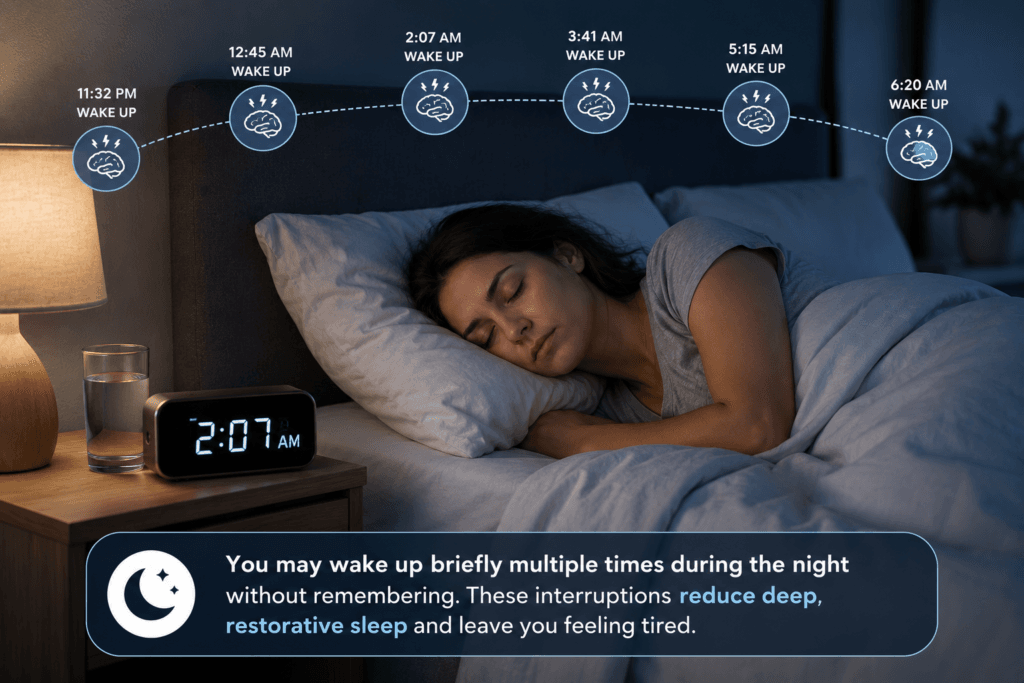
Are You Waking Up During the Night Without Knowing It?
Many people assume they sleep continuously because they don’t remember waking up.
However, short awakenings can occur dozens of times during the night.
These interruptions may last only a few seconds before you fall asleep again.
Possible causes include:
- Loud snoring
- Breathing pauses
- Stress
- Restless movements
- Noise from outside
- Temperature changes
- Pets sharing the bed
Repeated interruptions prevent your brain from progressing smoothly through normal sleep cycles.
As a result, you may spend enough total time asleep while still missing out on the restorative benefits of uninterrupted sleep.
Sleep trackers sometimes reveal patterns that people never realize are happening.
Can a Sleep Tracker Explain Why You’re Tired After 8 Hours of Sleep?
A sleep tracker can help you spot patterns that may explain why you feel tired after a full night in bed. Consumer devices may estimate sleep duration, nighttime awakenings, sleep timing, heart rate, and sleep stages, making it easier to notice recurring patterns over several nights.
Focus on trends rather than a single sleep score. A tracker may show that your eight hours are fragmented, irregular, or accompanied by frequent movement, but consumer wearables and sleep apps cannot diagnose sleep apnea or another sleep disorder. Persistent fatigue, loud snoring, breathing pauses, or excessive daytime sleepiness should be discussed with a healthcare professional.
If you prefer a wearable, our Garmin Vivosmart 5 review looks at sleep, stress, and recovery tracking. The under-mattress option featured later in this guide provides another way to monitor overnight patterns without wearing a device.
Could Sleep Inertia Be Why You Wake Up Groggy?
Sleep inertia is the temporary grogginess, slowed thinking, and heavy feeling that can occur immediately after waking, especially when you wake abruptly from deeper sleep. It usually improves after you have been awake for a while. If exhaustion lasts throughout the day rather than mainly after waking, another cause may be contributing.
Can Stress and Anxiety Make You Feel Tired All Day?
Absolutely.
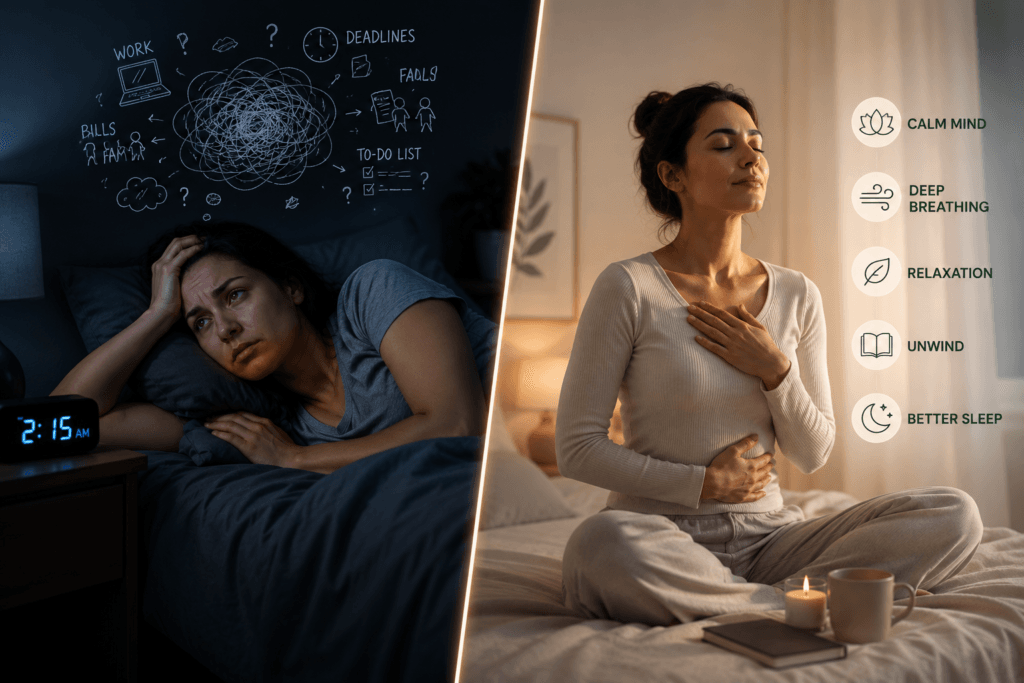
Stress doesn’t only affect your mood—it can significantly affect your sleep.
When your brain perceives stress, it activates the body’s natural “fight or flight” response.
Stress hormones such as cortisol increase alertness and prepare your body for action.
While this response is useful during emergencies, it becomes problematic when activated every night.
People experiencing chronic stress often report:
- Racing thoughts
- Difficulty falling asleep
- Frequent nighttime awakenings
- Vivid dreams
- Light, unrefreshing sleep
Ironically, chronic stress can leave you feeling mentally exhausted while simultaneously making it harder to achieve deep restorative sleep.
Learning effective stress management techniques may improve both sleep quality and daytime energy. Our guide to stress and sleep explains this relationship in more detail.
Is Your Body Clock Working Against You?
Your internal clock, also known as your circadian rhythm, helps regulate when you feel awake and when you feel sleepy.
Going to bed at inconsistent times can disrupt this natural rhythm.
For example:
- Sleeping until noon on weekends
- Staying up very late several nights a week
- Frequently changing work shifts
- Traveling across time zones
Even if you still manage eight hours of sleep, your body may struggle to maintain a predictable sleep-wake cycle.
Many sleep specialists recommend maintaining similar bedtimes and wake-up times every day, including weekends, to support healthier sleep patterns.
Could Sleep Apnea or Another Sleep Disorder Be to Blame?
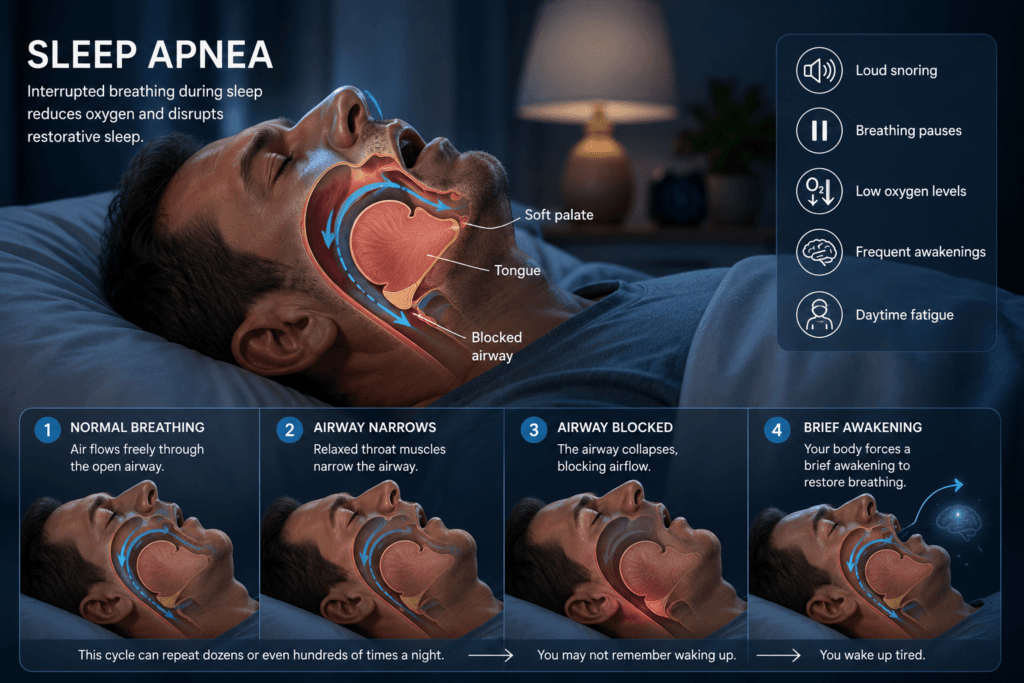
One of the most important questions to consider is whether an undiagnosed sleep disorder could be affecting your rest.
Obstructive sleep apnea is particularly common and often goes unnoticed.
People with sleep apnea repeatedly stop breathing for short periods during sleep, causing the brain to briefly wake the body to restore normal breathing.
Common warning signs include:
- Loud snoring
- Gasping during sleep
- Morning headaches
- Dry mouth upon waking
- Excessive daytime sleepiness
- Difficulty concentrating
Other sleep disorders, including restless legs syndrome and chronic insomnia, can also reduce sleep quality and contribute to persistent fatigue.
If you regularly feel exhausted despite sleeping enough hours, discussing your symptoms with a healthcare professional may be appropriate. For a first-person explanation of how fragmented breathing-related sleep can affect fatigue and cardiovascular health, read Living With Sleep Apnea: Fatigue & High Blood Pressure.
Could Nutrient, Thyroid, or Hormonal Issues Be Affecting Your Energy?
Sleep is only one piece of the energy puzzle.
Your body also depends on adequate nutrition to produce energy, transport oxygen, and support healthy brain function.
Low levels of certain nutrients may contribute to persistent fatigue, even if you’re sleeping for eight hours each night.
Common examples include:
- Iron
- Vitamin B12
- Vitamin D
- Magnesium
- Folate
It’s important not to self-diagnose deficiencies based on symptoms alone. Fatigue has many possible causes, and blood testing through a healthcare professional may be necessary to identify nutrient imbalances.
Thyroid dysfunction and hormonal changes can also contribute to persistent tiredness. An underactive thyroid, for example, may affect metabolism and energy levels, while hormonal shifts can influence both sleep and daytime well-being. Because these symptoms overlap with many other conditions, a healthcare professional can help determine whether testing is appropriate.
Supporting your body with a balanced diet rich in whole foods is often the best place to start.

Does Your Diet Play a Role in Morning Fatigue?
What you eat during the day—and especially in the evening—may influence how rested you feel the next morning.
Meals high in refined carbohydrates or added sugars can cause rapid changes in blood sugar, which may leave you feeling sluggish.
Heavy meals close to bedtime may also interfere with digestion and sleep quality.
To support healthy energy levels, consider:
- Including protein with meals
- Eating fiber-rich vegetables and whole grains
- Choosing healthy fats from foods like nuts and olive oil
- Limiting large meals immediately before bed
- Reducing excess added sugar
A consistent, balanced eating pattern often supports both sleep quality and daytime alertness.
Could Dehydration Be Making You Feel Sleepy?
Even mild dehydration can affect physical performance, concentration, and energy levels.
If you wake up dehydrated, you may experience:
- Morning headaches
- Dry mouth
- Brain fog
- Reduced alertness
- Fatigue
Hydration needs vary from person to person, but drinking enough fluids throughout the day may support normal body function and overall well-being.
It’s also wise to avoid drinking excessive amounts immediately before bed, as this may increase nighttime bathroom trips and interrupt sleep.
Are Your Medications Contributing to Fatigue?
Many prescription and over-the-counter medications list drowsiness or fatigue as possible side effects.
Examples include certain:
- Allergy medications
- Blood pressure medications
- Antidepressants
- Anxiety medications
- Muscle relaxants
- Sleep aids
Never stop a prescribed medication without consulting your healthcare provider.
However, if fatigue began after starting a new medication, discussing it with your doctor may help determine whether adjustments are appropriate.
When Should You Be Concerned About Constant Tiredness?
Occasional tiredness after a busy week is normal.
Persistent exhaustion that continues despite healthy sleep habits deserves medical attention.
Consider speaking with a healthcare professional if you experience:
- Fatigue lasting several weeks
- Loud snoring or witnessed breathing pauses
- Falling asleep unintentionally during the day
- Memory or concentration problems
- Unexplained weight changes
- Chest pain or shortness of breath
- Depression or significant mood changes
Persistent unrefreshing sleep can also occur alongside chronic conditions such as fibromyalgia, myalgic encephalomyelitis/chronic fatigue syndrome (ME/CFS), or Long COVID. These conditions have overlapping symptoms and require professional evaluation rather than self-diagnosis.
Early evaluation may identify treatable conditions before they become more serious.
What Simple Habits Can Help You Wake Up Feeling Refreshed?
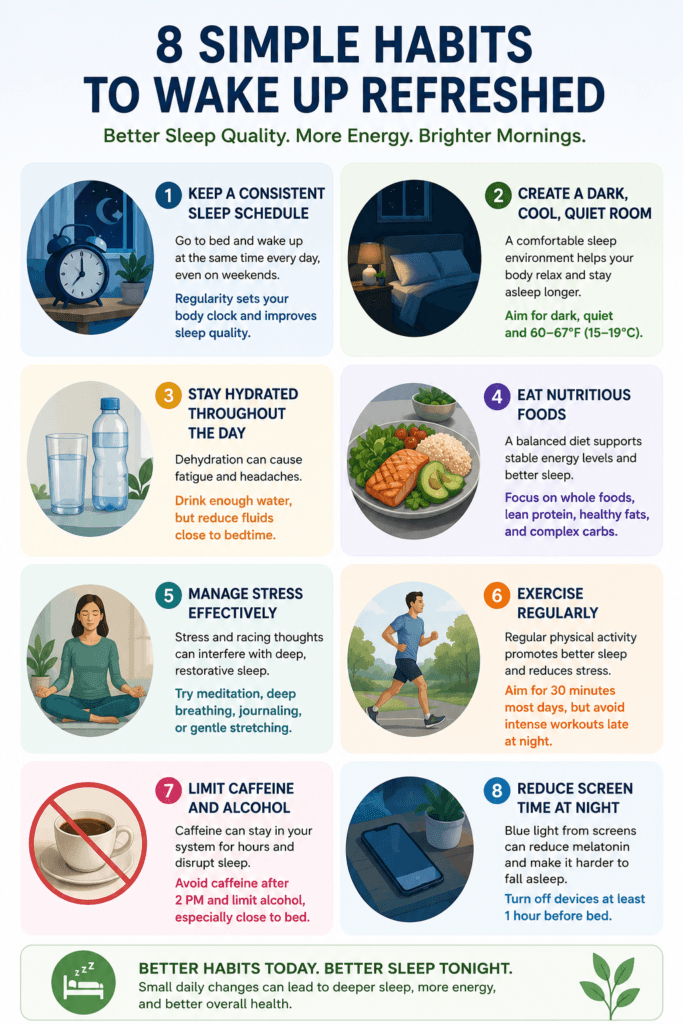
Small changes often make a meaningful difference over time.
Healthy habits that may improve sleep quality include:
- Going to bed and waking up at consistent times
- Limiting screen exposure before bed
- Keeping your bedroom cool, dark, and quiet
- Exercising regularly during the day
- Managing stress through breathing exercises or meditation
- Limiting caffeine late in the afternoon and evening
- Avoiding heavy meals or excessive alcohol before bedtime
Rather than searching for one magic solution, focus on building a routine that supports restorative sleep every night. These sleep hygiene tips provide a practical place to start.
Best Products to Consider
Under-Mattress Sleep Tracker
The Withings Sleep Tracking Pad is a contact-free sleep monitoring device that analyzes sleep quality, sleep cycles, and overnight heart rate to help users better understand their sleep habits and recovery.
⭐ Editor’s Pick
Withings Sleep Tracking Pad
Best For: Sleep Analysis & Overnight Recovery Monitoring
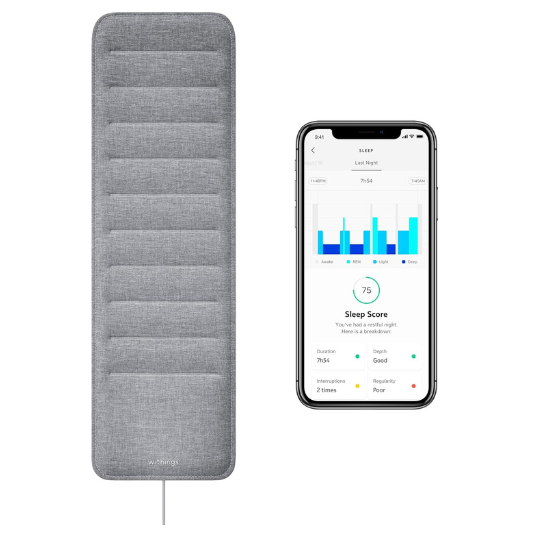
The Withings Sleep Tracking Pad is a slim sensor that fits under your mattress and automatically monitors sleep cycles, heart rate, and sleep quality throughout the night. It provides detailed sleep insights without requiring you to wear a watch or fitness tracker.
✔ Tracks sleep cycles and duration automatically
✔ Monitors heart rate during sleep
✔ No wearable device required
✔ Generates personalized sleep reports
👉 Want effortless overnight sleep tracking?
Sleep Support Supplements
OLLY Sleep Gummies are a nighttime wellness supplement formulated with melatonin, L-theanine, and botanical extracts to support relaxation and healthy sleep habits when combined with good sleep hygiene.
⭐ Editor’s Pick
OLLY Sleep Gummies
Best For: Relaxation & Healthy Sleep Cycle Support
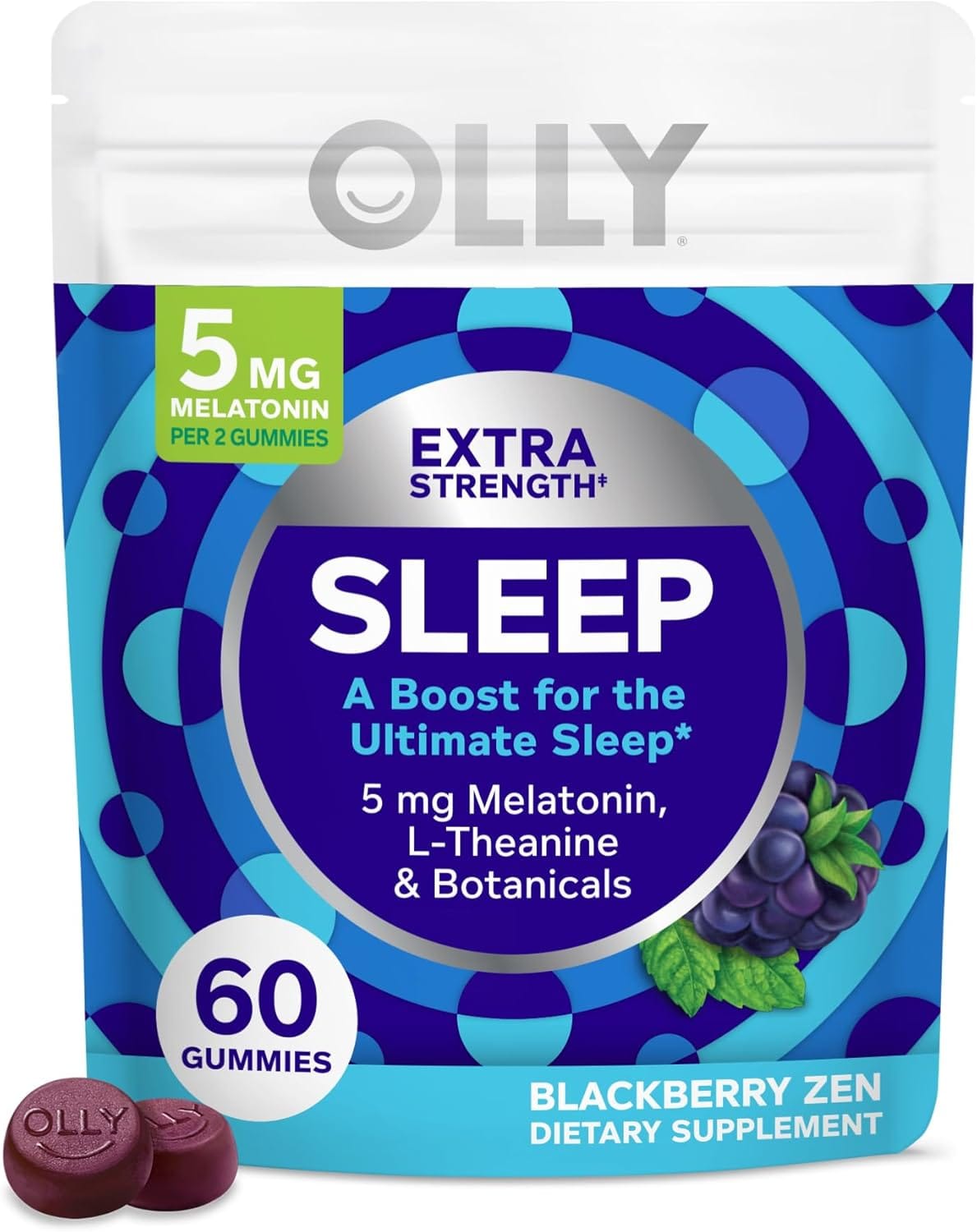
OLLY Sleep Gummies combine melatonin, L-theanine, and botanical extracts in a chewable gummy designed to support relaxation before bedtime and promote a healthy sleep cycle. Many adults use them as part of a consistent nighttime routine to help unwind naturally.
✔ Supports a healthy sleep cycle
✔ Contains melatonin and L-theanine
✔ Includes calming botanical extracts
✔ Easy-to-take gummy format
👉 Looking for a simple addition to your bedtime routine?
Relaxation & White Noise Devices
The Yogasleep Hushh Portable White Noise Machine is designed to reduce disruptive sounds and support a calmer sleep environment through consistent white noise and soothing audio.
⭐ Editor’s Pick
Yogasleep Hushh Portable White Noise Machine
Best For: Creating a Peaceful Sleep Environment
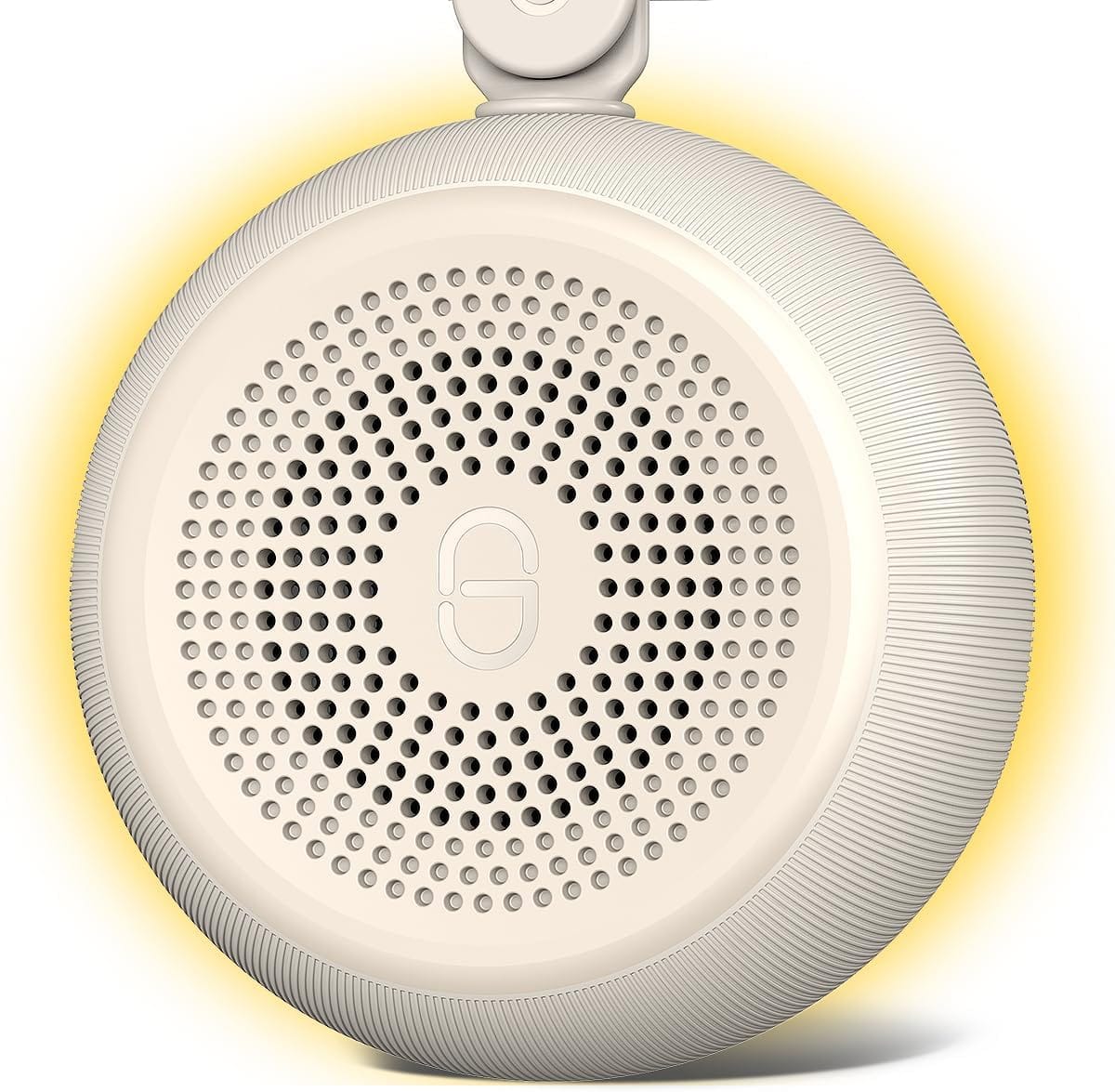
The Yogasleep Hushh Portable White Noise Machine produces soothing white noise and calming sounds that may help mask environmental distractions and create a more consistent sleep environment at home or while traveling.
✔ Masks disruptive background noise
✔ Compact and travel-friendly
✔ Multiple soothing sound options
✔ Supports a relaxing bedtime environment
👉 Need a quieter environment for better sleep?
Frequently Asked Questions
Why am I still tired after 8 hours of sleep?
Feeling tired after eight hours of sleep often means sleep duration is not the whole problem. Fragmented or poor-quality sleep, stress, an irregular schedule, sleep disorders, medication effects, dehydration, nutrient deficiencies, or other health conditions can reduce how restorative your sleep feels and leave you fatigued the next day.
Is sleeping 8 hours always enough?
No. Eight hours falls within the commonly recommended range for many adults, but individual sleep needs vary and duration alone does not guarantee restorative rest. Sleep quality, continuity, timing, and consistency also matter, so someone can spend eight hours asleep yet still wake feeling tired if sleep is repeatedly disrupted.
What medical conditions can cause tiredness despite enough sleep?
Several health conditions can contribute to persistent tiredness despite adequate time in bed. Sleep apnea, restless legs syndrome, insomnia, anemia, thyroid problems, and some nutrient deficiencies are examples worth discussing with a healthcare professional. Fatigue has many possible causes, so symptoms alone cannot reliably identify the underlying condition.
Can a sleep tracker explain why I’m still tired after 8 hours of sleep?
A sleep tracker can help identify patterns such as inconsistent sleep timing, frequent awakenings, short sleep duration, or changes in overnight heart rate. It is best used for observing trends across multiple nights rather than diagnosing a condition. Consumer sleep trackers and wearables cannot confirm sleep apnea or other sleep disorders.
Can vitamin deficiencies make you tired even after enough sleep?
Yes. Low levels of nutrients involved in oxygen transport, blood-cell production, and normal energy metabolism can contribute to fatigue even when you sleep enough. Iron, vitamin B12, folate, and vitamin D are among the nutrients commonly considered during evaluation. Because fatigue is nonspecific, testing and professional guidance are preferable to self-diagnosis.
Can stress make me feel exhausted all day?
Yes. Ongoing stress can make it harder to fall asleep, increase nighttime awakenings, and leave sleep feeling less restorative. Stress can also be mentally draining during the day. Relaxation practices such as slow breathing, meditation, and a consistent wind-down routine may help when stress is interfering with healthy sleep.
Can sleep supplements help if I’m tired after 8 hours of sleep?
Sleep supplements are not a general solution for unexplained daytime fatigue. Some products may support specific sleep concerns, but they will not correct problems such as sleep apnea, medication side effects, anemia, or another underlying condition. If you already sleep for eight hours and remain persistently exhausted, identifying the cause should come first.
When should I see a doctor about persistent tiredness?
See a healthcare professional when tiredness persists for several weeks, worsens, or interferes with normal daily functioning despite adequate sleep and healthy habits. Evaluation is especially important with loud snoring, witnessed breathing pauses, unintended daytime sleep, unexplained weight changes, significant mood changes, or other concerning symptoms that accompany the fatigue.
Want Better Sleep and More Energy?
Join the Purely Vital Living newsletter for practical tips on improving sleep quality, boosting daily energy, reducing stress, and supporting long-term wellness.

Final Summary
If you’re wondering, “Why am I still tired after 8 hours of sleep?”, you’re asking an important question—and one without a single answer.
Sleeping long enough doesn’t always mean your body is getting the restorative sleep it needs.
Poor sleep quality, stress, inconsistent schedules, nutritional deficiencies, dehydration, medications, and sleep disorders can all contribute to persistent fatigue.
Instead of focusing only on the number of hours you spend in bed, pay attention to the quality of your sleep and your daily habits.
Small improvements—such as maintaining a regular sleep schedule, reducing evening stimulation, managing stress, and creating a better sleep environment—may help you wake up feeling more refreshed.
And if fatigue continues despite these efforts, don’t ignore it. A healthcare professional can help identify underlying causes and recommend appropriate next steps.
Related Reads
- How to Improve Sleep Quality Naturally: Complete Sleep Guide
- What Is Core Sleep? Why It Matters and How to Improve It
- Why Do I Wake Up Tired? 7 Morning Causes + Fixes
- How to Fall Asleep Faster Naturally Tonight
- Sleep Hygiene Tips: 7 Bedtime Habits for Better Sleep
- Stress and Sleep: How Stress Affects Sleep Quality
- Best Magnesium Supplements for Sleep and Stress (2026 Guide)