Quick Answer
Core sleep can mean different things depending on the source. It is not an official medical sleep stage. On consumer trackers such as Apple Watch, Core is a device-defined sleep category shown separately from Deep and REM and is generally associated with lighter non-REM sleep. Older sleep research has also used “core sleep” differently to describe an essential portion of sleep. Because the terminology varies, it is better to interpret your Core reading alongside total sleep, Deep and REM sleep, longer-term trends, and how rested you feel during the day.
Key Takeaways
- Core sleep is not an official medical sleep stage. Sleep trackers may use the term for lighter non-REM sleep or for sleep they consider essential for recovery.
- Core sleep and deep sleep are different. Deep sleep is a recognized sleep stage, while “core sleep” varies by device and app.
- Do not judge sleep quality from one tracker number. Look at longer-term patterns and how refreshed, alert, and functional you feel during the day.
- Healthy routines support restorative sleep. Consistent sleep and wake times, stress management, less late caffeine, and a cool, dark, quiet bedroom can help.
- Wearables provide estimates, not diagnoses. Persistent poor sleep or daytime fatigue may warrant professional evaluation.
- Key Takeaways
- Introduction
- What Does “Core Sleep” Actually Mean?
- Why Do Sleep Trackers Talk About Core Sleep?
- Core Sleep vs. Deep Sleep: What's the Difference?
- How Core Sleep Fits Into Your Natural Sleep Cycle
- Why Is Core Sleep So Important for Your Health?
- Are You Getting Enough Core Sleep?
- Common Habits That Quietly Reduce Core Sleep
- How Can You Increase Core Sleep and Improve Deep Sleep Naturally?
- Foods, Lifestyle Habits, and Evening Routines That May Help
- What Do Smartwatches and Sleep Apps Measure?
- Signs Your Sleep Is Restorative—Even Without a Tracker
- Myths About Core Sleep That Confuse Many People
- Best Products to Consider
- Frequently Asked Questions
- Final Summary
Introduction
You may have noticed your smartwatch or sleep-tracking app reporting that you got 4 hours of core sleep, 2 hours of deep sleep, and 90 minutes of REM sleep.
But what exactly is core sleep, and should you be concerned if the number seems low?
My interest in sleep quality became personal after struggling with poor sleep and sleep apnea for many years. Despite spending enough hours in bed, I often woke up feeling tired and unrefreshed. Over time, I learned that the quality of sleep was just as important as the quantity. Establishing a consistent sleep schedule, managing stress, and improving sleep habits made a much bigger difference to my energy levels than simply trying to sleep longer.
The answer can be confusing because the term “core sleep” is not part of the traditional medical classification of sleep stages. Instead, it has become popular through wearable technology and consumer sleep apps that attempt to simplify complex sleep science into easy-to-understand categories.
Despite the different terminology, the idea behind core sleep is important.
Your body relies on restorative sleep to repair tissues, strengthen memories, regulate hormones, support immune function, and prepare you for the next day. When these processes are disrupted, you may wake up feeling tired even after spending enough hours in bed.
Understanding what core sleep represents can help you make better decisions about your bedtime routine, sleep habits, and overall health. For the broader strategy, start with our complete guide to improving sleep quality naturally.
What Does “Core Sleep” Actually Mean?
Unlike terms such as REM sleep or deep sleep, core sleep does not have a universally accepted medical definition.
In many sleep-tracking devices, core sleep generally refers to the lighter stages of non-REM sleep that make up a significant portion of your total sleep time. Other companies use the phrase to describe the minimum amount of sleep required for your body to perform its most essential restorative functions.
Regardless of the exact definition, the concept highlights an important principle:
Your body needs enough quality sleep—not just enough time in bed—to recover properly.
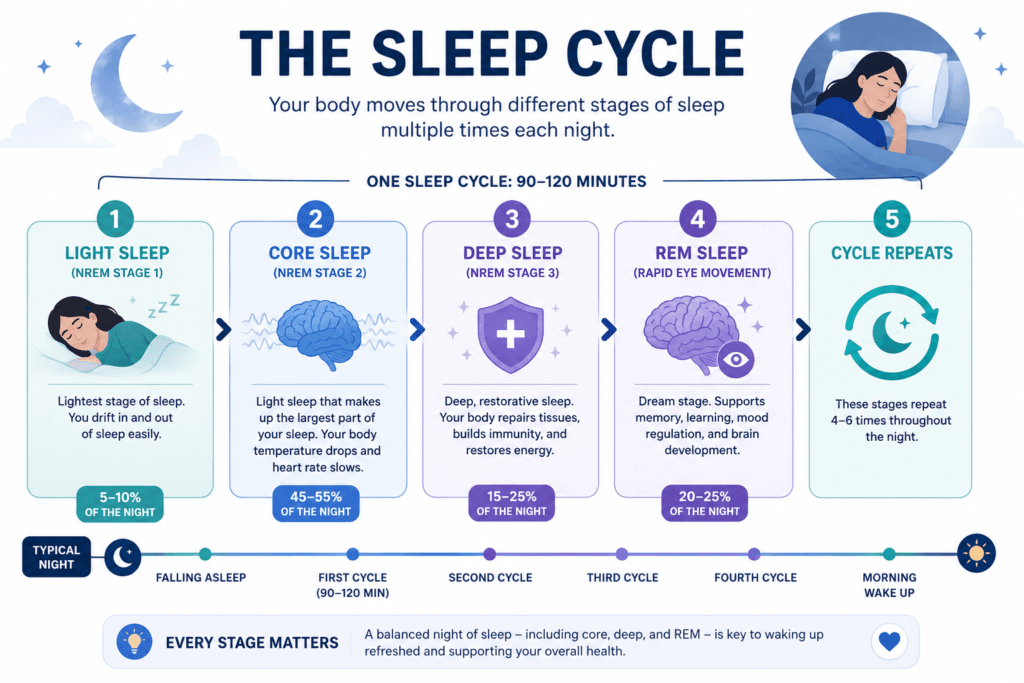
During a typical night, you cycle through different stages of sleep multiple times. Each stage contributes to physical and mental restoration in unique ways.
On consumer trackers, Core is best treated as one estimated part of the night’s sleep pattern rather than as a separate foundation or recovery stage.
Why Do Sleep Trackers Talk About Core Sleep?
The growing popularity of smartwatches and fitness trackers has introduced millions of people to sleep metrics they had never heard before.
Instead of displaying complex scientific terminology, many manufacturers simplify sleep into categories that users can easily understand.
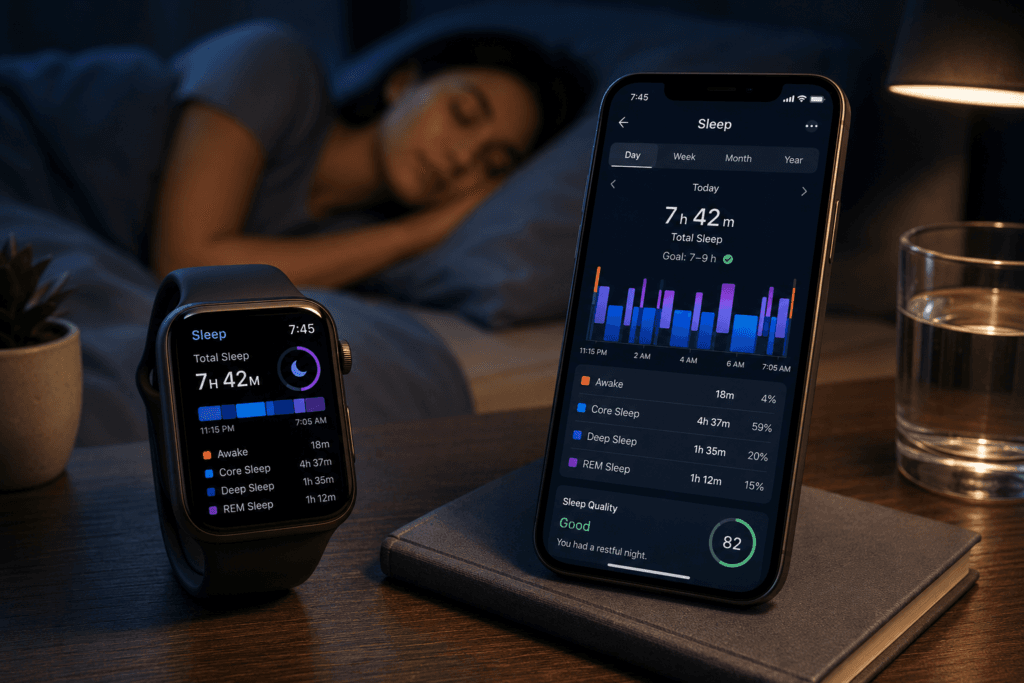
For example, your device may divide your night into:
- Awake
- Core sleep
- Deep sleep
- REM sleep
This simplified presentation helps users visualize their sleep patterns, but it can also create confusion.
Someone might believe they are “missing” core sleep when, in reality, their device is simply labeling part of normal light sleep with a different name.
Different brands also use different algorithms.
As a result, two devices worn on the same night may report slightly different amounts of core sleep even though they are measuring the same underlying biological processes.
For this reason, sleep experts generally recommend looking at long-term trends rather than focusing on one night’s numbers.
What Does Core Sleep Mean on Apple Watch?
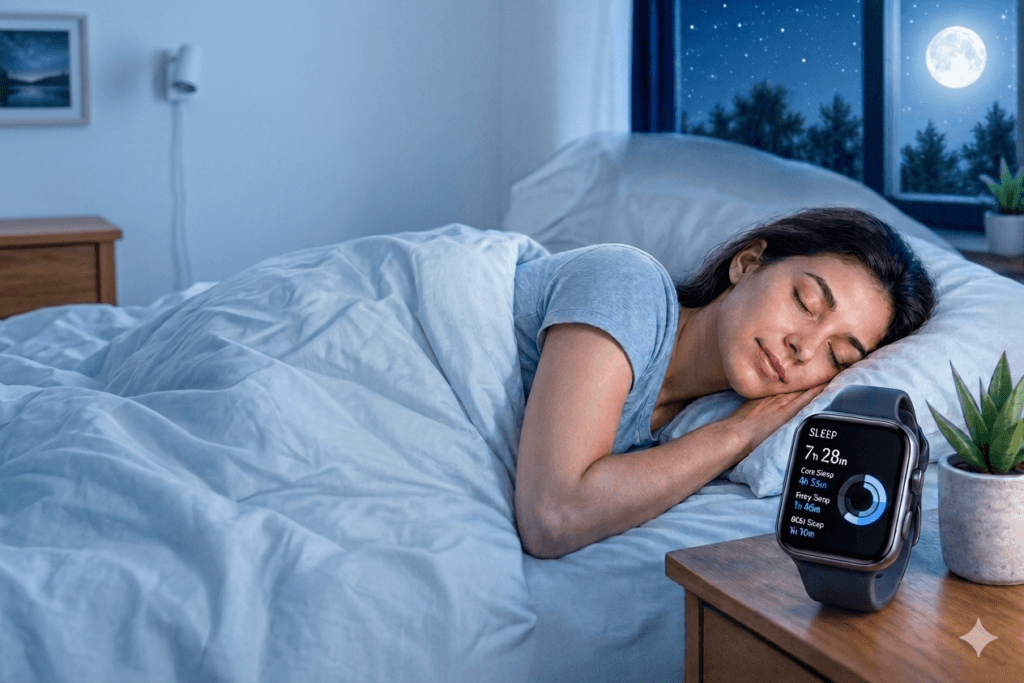
On Apple Watch, Core is one of the sleep-stage categories displayed alongside REM and Deep sleep. Apple reports the time and percentage spent Awake or in REM, Core, and Deep sleep. Core should therefore be read as an Apple-defined tracking category rather than as another name for deep sleep or as a medical diagnosis.
In standard sleep science, non-REM sleep is divided into N1, N2, and N3, with N1 and N2 representing lighter sleep and N3 representing deep or slow-wave sleep. This helps explain why the word “core” can be confusing: consumer-device terminology does not map neatly onto a universally recognized medical stage.
Core Sleep vs. Deep Sleep: What’s the Difference?
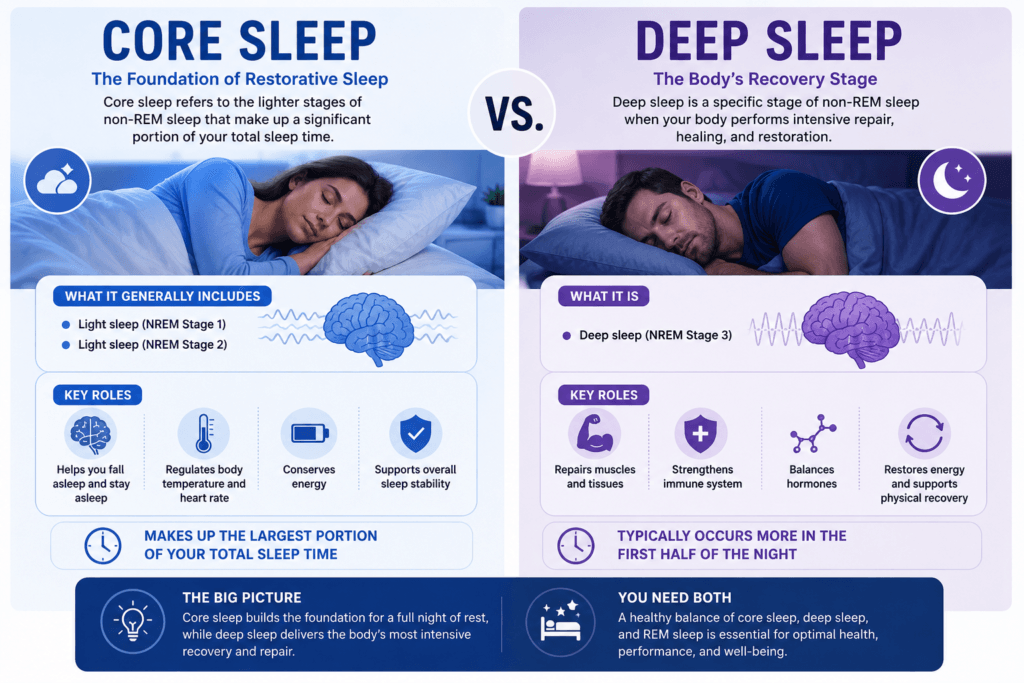
One of the biggest misconceptions is that core sleep and deep sleep are the same thing.
They are not.
Deep sleep is a recognized stage of non-REM sleep during which the body performs many important recovery functions. Muscle repair, immune support, tissue healing, and hormone regulation are all closely associated with this stage.
Core sleep, on the other hand, is typically a consumer-friendly label used by wearable devices.
Depending on the manufacturer, it may refer primarily to lighter non-REM sleep or to the essential portion of sleep needed for basic recovery.
A simple way to think about the difference is this:
- Core sleep is a practical tracking term used by many sleep apps.
- Deep sleep is a medically recognized stage within the normal sleep cycle.
Both contribute to healthy sleep, but they should not be confused.
Core Sleep vs. REM Sleep: What’s the Difference?
Core sleep and REM sleep are not the same thing. Core sleep is a consumer tracking term that may refer to lighter non-REM sleep or other sleep considered essential by a device, while REM is a recognized sleep stage associated with memory, learning, emotional processing, and dreaming.
REM periods generally become longer later in the night, while deep non-REM sleep tends to be concentrated earlier. Both are parts of a healthy night of sleep, which is why a single “core sleep” number should not be interpreted as a complete measure of recovery. Learn more in our guide to improving REM sleep naturally.
How Core Sleep Fits Into Your Natural Sleep Cycle
Sleep is not one continuous state.
Instead, your brain cycles through several stages approximately every 90 to 120 minutes throughout the night.
These cycles generally include:
- Light sleep
- Deeper non-REM sleep
- REM sleep
Each cycle serves different purposes.
Light sleep acts as a transition between wakefulness and deeper restorative stages.
Deep sleep supports physical recovery and healing.
REM sleep plays a major role in memory formation, emotional processing, creativity, and learning.
Because these stages repeat multiple times each night, the quality of your sleep depends not only on how long you sleep but also on whether your body can move through these cycles without frequent interruptions.
Repeated awakenings caused by stress, noise, alcohol, or poor sleep habits may prevent you from completing these natural cycles efficiently. If your main issue is timing rather than sleep stages, our 2-week sleep-cycle reset plan explains how wake time, morning light and evening habits work together.
Why Is Core Sleep So Important for Your Health?
Regardless of how your sleep tracker defines it, the concept of core sleep reminds us that restorative sleep affects nearly every aspect of health.
Healthy sleep supports:
- Brain performance
- Memory consolidation
- Emotional regulation
- Hormone balance
- Immune function
- Physical recovery
- Metabolic health
When sleep quality declines over time, many people experience symptoms they do not immediately associate with poor sleep.
These may include:
- Daytime fatigue
- Brain fog
- Reduced concentration
- Increased irritability
- Slower exercise recovery
- Reduced productivity
- Increased cravings
Because these symptoms often develop gradually, they can become normalized.
Many people blame aging, stress, or busy schedules when inadequate restorative sleep may actually be playing a significant role.
Improving sleep quality is often one of the simplest lifestyle changes that can positively influence multiple areas of health at the same time.
Are You Getting Enough Core Sleep?
There is no universally accepted target for core sleep because the term itself varies between devices.
Instead of chasing a specific number displayed by your smartwatch, it is usually more helpful to ask broader questions:
- Do you wake up feeling refreshed?
- Can you stay alert throughout the day?
- Do you recover well after exercise?
- Is your mood generally stable?
- Are you maintaining a consistent sleep schedule?
If the answer to many of these questions is “no,” it may be worth reviewing your sleep habits rather than focusing only on tracker statistics. If you regularly wake up tired, the problem may involve sleep quality, timing, or disrupted sleep rather than simply too few hours in bed.
For most healthy adults, experts generally recommend 7 to 9 hours of total sleep per night to allow enough time for all sleep stages to occur naturally.
Consistent schedules, reduced evening stimulation, and healthy lifestyle habits often contribute more to restorative sleep than obsessing over nightly sleep scores.
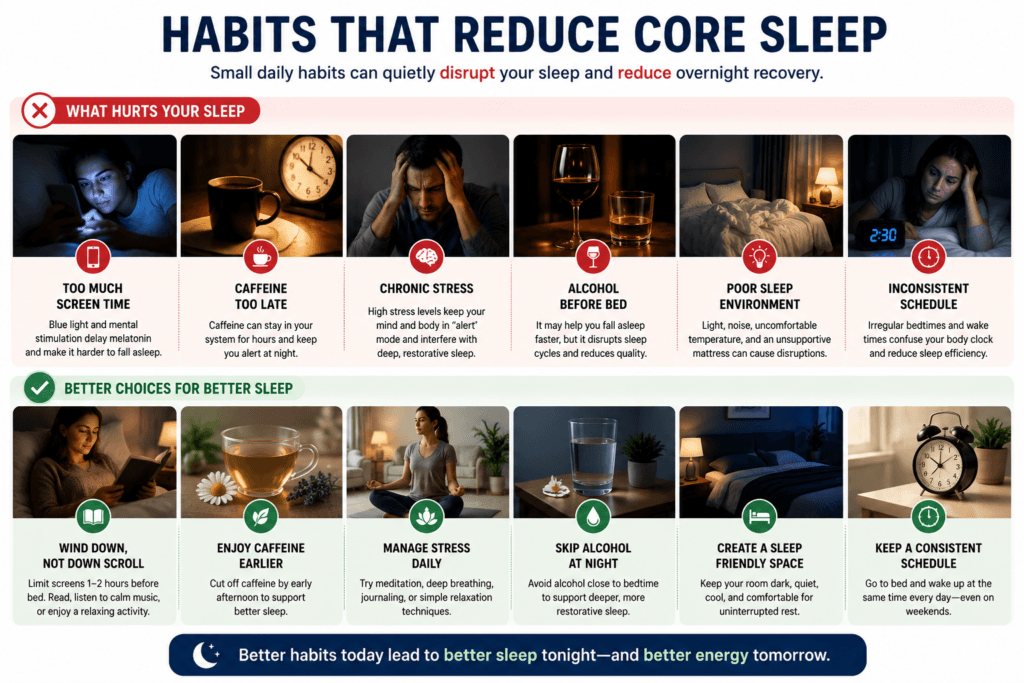
Common Habits That Quietly Reduce Core Sleep
Many people assume poor sleep is caused by a single issue, but in reality, small daily habits often combine to reduce sleep quality over time.
Here are some of the most common factors that may interfere with restorative sleep.
Inconsistent Sleep Schedules
Going to bed at dramatically different times each night can confuse your body’s internal clock.
This irregularity may make it harder to fall asleep and reduce the efficiency of your normal sleep cycles.
Excessive Screen Time
Phones, tablets, and televisions expose your eyes to blue light while also stimulating your brain with information.
Late-night scrolling can delay your body’s natural preparation for sleep and make it harder to unwind.
Chronic Stress
High stress levels keep the nervous system in a more alert state.
Even when you feel physically tired, racing thoughts and elevated stress hormones may interfere with deep, restorative sleep.
Caffeine Too Late in the Day
Caffeine can remain active in your body for several hours.
For some people, even afternoon coffee may affect their ability to fall asleep or stay asleep.
Alcohol Before Bed
Alcohol may initially make you feel sleepy, but it often disrupts sleep later in the night and may reduce overall sleep quality.
Poor Sleep Environment
Excessive light, noise, uncomfortable temperatures, or an unsuitable mattress may all contribute to fragmented sleep and repeated awakenings. If nighttime noise is the problem, compare the best sounds for sleep; if your room runs warm, see the evidence on the best sleeping temperature.
How Can You Increase Core Sleep and Improve Deep Sleep Naturally?
You cannot directly force more core sleep or deep sleep, but you can create conditions that support healthier sleep cycles. A consistent sleep schedule, regular daytime activity, stress management, less late caffeine and alcohol, and a cool, dark, quiet bedroom can give your body a better opportunity to move naturally through light, deep, and REM sleep. For a more focused plan, see our guide to improving deep sleep naturally.
Many sleep specialists recommend focusing on consistency rather than searching for shortcuts.
Simple strategies include:
- Going to bed at the same time every night
- Waking at a consistent time every morning
- Reducing screen exposure before bed
- Limiting caffeine later in the day
- Managing stress through relaxation techniques
- Keeping the bedroom cool, dark, and quiet
These habits encourage your body’s natural sleep processes instead of attempting to override them. For a practical routine, see these sleep hygiene tips for building a more consistent bedtime environment.
Over time, small improvements often lead to better sleep quality and more restorative nights.
Foods, Lifestyle Habits, and Evening Routines That May Help
Nutrition and lifestyle choices can influence sleep more than many people realize.
While no single food guarantees better sleep, balanced habits may support your body’s natural rhythms.
Helpful evening practices may include:
- Eating a balanced dinner rather than a heavy late-night meal
- Staying physically active during the day
- Getting morning sunlight exposure
- Avoiding excessive alcohol
- Drinking caffeine earlier in the day
- Following a relaxing bedtime routine
Some people also include magnesium-rich foods, herbal teas, or calming breathing exercises as part of their nighttime routine.
The goal is to help the brain recognize that it is time to transition from daytime activity into restorative rest.
What Do Smartwatches and Sleep Apps Measure?
Wearable devices have made sleep tracking more accessible than ever.
Most modern smartwatches estimate sleep stages by combining data from:
- Movement sensors
- Heart rate monitoring
- Heart rate variability
- Breathing patterns
Using algorithms, they estimate when you are awake, in light sleep, deep sleep, or REM sleep.
However, these devices do not directly measure brain activity like a medical sleep study.
Because of this limitation, their estimates should be viewed as approximations rather than precise medical measurements.
Their greatest value often lies in identifying long-term patterns.
For example, if your tracker consistently shows poor sleep after late-night caffeine or stressful days, that information may help you improve your habits.
How to Get More Reliable Sleep-Tracker Data
Consistent overnight use makes sleep-tracker trends more useful. If you use an Apple Watch, Apple recommends wearing it at a comfortable fit and keeping enough battery charge to avoid interrupted tracking. Review patterns across several nights or weeks instead of treating one night’s Core, Deep, or REM estimate as a precise measurement.
Remember that consumer wearables estimate sleep stages indirectly. Medical sleep studies use additional measurements, including brain activity, to classify sleep stages, so a wearable is better suited to tracking personal trends than diagnosing a sleep disorder.
Signs Your Sleep Is Restorative—Even Without a Tracker
You don’t necessarily need a smartwatch to judge whether you’re sleeping well.
Many real-world indicators provide valuable clues about sleep quality.
Positive signs include:
- Waking naturally without feeling exhausted
- Maintaining steady energy throughout the day
- Good concentration and memory
- Stable mood
- Healthy exercise recovery
- Rarely needing long daytime naps
Conversely, regularly waking tired, relying heavily on caffeine, or experiencing persistent brain fog may indicate that your sleep quality could be improved.
Listening to your body is often just as important as monitoring numbers on a screen.
Myths About Core Sleep That Confuse Many People
Myth 1: More Hours Always Mean Better Sleep
Spending extra time in bed does not automatically improve sleep quality.
Interrupted or poor-quality sleep may leave you feeling tired despite adequate duration.
Myth 2: Core Sleep Is an Official Medical Sleep Stage
Core sleep is commonly used by consumer sleep trackers but is not one of the standardized sleep stages recognized by sleep medicine.
Myth 3: You Can Force Deep Sleep With Supplements
No supplement guarantees more deep sleep.
Healthy lifestyle habits remain the foundation of good sleep quality.
Myth 4: One Bad Night Means Something Is Wrong
Everyone experiences occasional poor sleep.
Long-term patterns matter much more than isolated nights.
Best Products to Consider
Smart Sleep Trackers
Wearable sleep trackers monitor movement, heart rate, and sleep patterns to provide insights into overnight recovery and long-term sleep habits.
Best For: Monitoring sleep trends and identifying lifestyle factors that may affect sleep quality.
⭐ Editor’s Pick
Garmin vívosmart 5
Best For: Sleep Monitoring & Daily Wellness Tracking
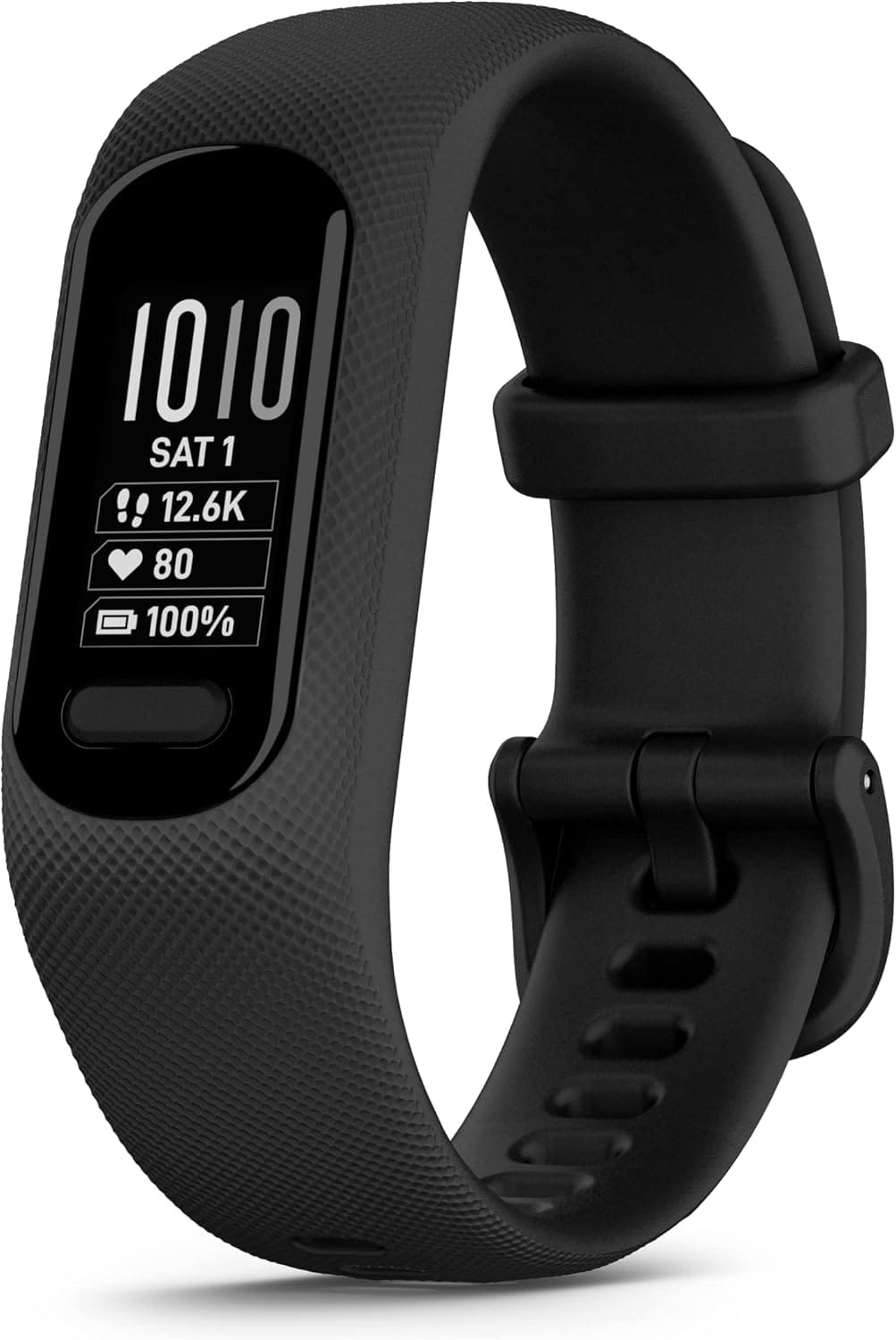
The Garmin vívosmart 5 is a lightweight fitness tracker that monitors sleep stages, heart rate, stress levels, and blood oxygen trends. Its sleep score and recovery insights can help users better understand their nighttime habits and overall wellness.
✔ Tracks sleep stages and sleep score
✔ Monitors heart rate and stress levels
✔ Long battery life
✔ Comfortable for overnight wear
👉 Looking to better understand your nightly sleep patterns?
Sleep Aid Device
The Dodow Sleep Aid Device is a non-medicated relaxation tool that uses guided breathing exercises to help users unwind before bedtime. It is designed to complement healthy sleep habits and may support a calmer transition into sleep through paced breathing and relaxation techniques.
⭐ Editor’s Pick
Dodow Sleep Aid Device
Best For: Relaxation & Falling Asleep Naturally
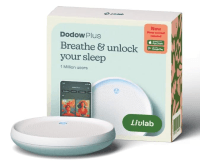
The Dodow Sleep Aid Device is a metronome-style sleep tool designed to encourage slow, rhythmic breathing before bedtime. By projecting a soft blue light onto the ceiling, it guides users through paced breathing exercises that may help calm the mind and support a more relaxing transition to sleep as part of a healthy nighttime routine.
✔ Guides slow, paced breathing for relaxation
✔ Projects a gentle blue light onto the ceiling
✔ Non-medicated and non-habit forming approach
✔ Supports healthy bedtime routines and sleep hygiene
👉 Looking for a simple way to unwind before bed and promote a calmer nighttime routine?
Frequently Asked Questions
What is core sleep?
Core sleep is a consumer term for sleep considered important for normal recovery and daily function, not an official medical sleep stage. Depending on the tracker or app, it may refer mainly to lighter non-REM sleep or to sleep the device considers essential. Because definitions vary, interpret core sleep alongside total sleep and longer-term patterns.
Is core sleep different from deep sleep?
Yes. Core sleep and deep sleep are different. Deep sleep is a recognized non-REM sleep stage associated with physical restoration, while core sleep is a label used by some consumer trackers and apps. Its meaning can vary by device, so a core-sleep reading should not be treated as a direct measurement of deep sleep.
How much core sleep should I get?
There is no medically established number of hours of “core sleep” adults should target because the term varies between devices. A more useful goal is sufficient total sleep: most healthy adults generally need about 7–9 hours per night. That gives the body time to cycle naturally through light, deep, and REM sleep.
Can I improve core sleep naturally?
Yes, healthy habits can support more consistent, restorative sleep, although you cannot directly force your body into a specific sleep stage. Keep regular sleep and wake times, exercise during the day, manage stress, limit late caffeine and alcohol, reduce evening stimulation, and keep your bedroom cool, dark, and quiet.
Should I trust my smartwatch’s sleep score?
Use your smartwatch sleep score as an estimate and trend tool, not as a diagnosis. Consumer wearables infer sleep stages from signals such as movement, heart rate, and breathing rather than directly measuring brain activity. Their greatest value is often spotting patterns over time, especially when combined with how rested and alert you feel.
What is the difference between core sleep and REM sleep?
Core sleep is a consumer tracking term, while REM sleep is a recognized stage of sleep. Depending on the device, core sleep may describe lighter non-REM sleep or sleep considered essential for recovery. REM sleep is associated particularly with dreaming, memory consolidation, learning, and emotional processing and usually becomes longer later in the night.
Can sleep trackers or apps improve core sleep?
Sleep trackers and apps do not directly create more core sleep, but they may help you identify habits linked with better or worse sleep. Tracking bedtime consistency, awakenings, activity, or changes after late caffeine can reveal useful patterns. Treat sleep-stage estimates as approximations and focus on trends rather than trying to optimize a single nightly score.
Can supplements help increase core sleep duration?
No supplement can reliably guarantee more core sleep or a specific amount of deep sleep. Some supplements are marketed for relaxation or sleep support, but effects depend on the ingredient, dose, individual, and reason for poor sleep. Consistent sleep habits remain the foundation, and persistent sleep problems should be discussed with a qualified healthcare professional.
Is core sleep good-quality sleep?
Core sleep on a tracker is normal sleep and should not automatically be viewed as poor-quality sleep. A healthy night includes different stages, including lighter non-REM sleep, deep sleep, and REM sleep. Rather than trying to minimize Core sleep, focus on sufficient total sleep, consistent patterns, and whether you feel rested and alert during the day.
Want Better Sleep and More Energy?
Join the Purely Vital Living newsletter and receive practical tips on sleep optimization, stress management, gut health, energy, and healthy aging.

Final Summary
Core sleep has become a popular term thanks to modern sleep trackers, but the underlying message is straightforward: quality sleep matters just as much as quantity.
Rather than focusing on achieving a specific score or chasing a perfect number, most people benefit more from building healthy habits that support the body’s natural sleep cycles.
Maintaining a regular bedtime, managing stress, limiting evening stimulation, and creating a comfortable sleep environment may all contribute to better overnight recovery.
Remember that sleep trackers are useful tools, but they provide estimates—not diagnoses.
The best indicator of restorative sleep is often how you feel during the day.
If you consistently wake refreshed, stay energized, and recover well, you’re likely supporting your body’s essential sleep needs in the right way.
Related Reads
- How to Improve Sleep Quality Naturally: Complete Sleep Guide
- How to Fall Asleep Faster Naturally Tonight
- Sleep Hygiene Tips: 7 Bedtime Habits for Better Sleep
- Stress and Sleep: How Stress Affects Sleep Quality
- Why Do I Wake Up Tired? 7 Morning Causes + Fixes
- Best Magnesium for Sleep & Stress (2026 Guide)