Quick Answer
Aging gracefully after 50 means protecting function, mobility, strength, cognition, emotional well-being, and independence—not trying to look permanently younger. Prioritize protein and nutrient-dense food, strength and aerobic activity, balance training, quality sleep, social connection, stress recovery, sun protection, and age-appropriate preventive care. Start from your current ability and discuss new symptoms or exercise limitations with a healthcare professional.
Key Takeaways
- Healthy aging is about maintaining function and quality of life, not eliminating every visible sign of age.
- Strength, balance, mobility, aerobic fitness, protein, and sleep become especially important after 50.
- Emotional health, learning, purpose, and social connection are part of aging well.
- Preventive care should reflect your personal history and risks, not a generic checklist alone.
- Supplements and wellness devices are optional and cannot replace foundational habits or medical care.
- Introduction
- What Does It Mean to Age Gracefully?
- Why Do We Age?
- The Biggest Changes Your Body Experiences After 50
- Hormonal Changes Affect the Whole Body
- Nutrition for Healthy Aging
- Exercise That Supports Healthy Aging
- Emotional Well-Being Is an Essential Part of Aging Gracefully
- Preventive Healthcare Helps You Stay Ahead
- Common Myths About Aging Gracefully
- Optional Products to Consider
- Hooga HG300 Red Light Therapy Panel
- Manduka PRO Yoga Mat (6mm)
- EltaMD UV Clear Face Sunscreen SPF 46
- Frequently Asked Questions
- Final Thoughts
Introduction
When I was younger, I assumed that aging was something that simply happened to us. I thought losing energy, gaining weight, sleeping poorly, and slowing down were unavoidable parts of getting older.
That perspective changed over the years.
Living with chronic digestive issues, persistent fatigue, sleep problems, and the demands of a stressful career taught me that many of the challenges we associate with aging are actually influenced by the choices we make every day. While none of us can stop the passing of time, we can influence how well our bodies and minds adapt to it.
I’ve also learned that aging gracefully isn’t about chasing wrinkles with expensive creams or trying to look twenty years younger. It’s about preserving your strength, protecting your health, maintaining your independence, and continuing to enjoy the activities that give life meaning.
Modern research supports this view. Scientists now know that lifestyle plays a major role in healthy aging. Regular physical activity, nutritious food, quality sleep, strong social relationships, and preventive healthcare can all contribute to a longer, healthier, and more active life.
Whether you’ve just turned 50 or you’re planning ahead for the future, it’s never too early—or too late—to invest in healthy aging. This guide explains what aging gracefully really means, why our bodies change over time, and how understanding those changes can help you make better decisions for your long-term health.
What Does It Mean to Age Gracefully?
The phrase “aging gracefully” often brings to mind images of youthful appearance or wrinkle-free skin. While taking care of your appearance can certainly boost confidence, graceful aging goes much deeper than how you look.
Healthy aging is about maintaining your physical, mental, and emotional well-being so you can continue living an active and fulfilling life.
Someone who is aging gracefully may:
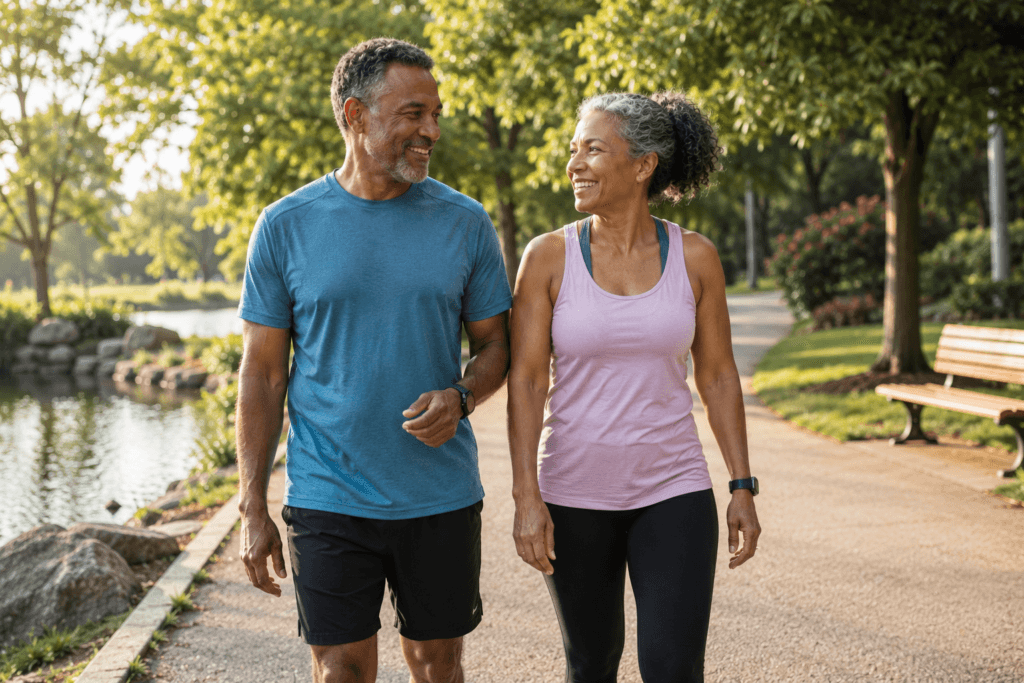
- Stay physically active and mobile.
- Maintain muscle strength and balance.
- Keep their mind engaged through learning and social interaction.
- Manage stress effectively.
- Eat a nutritious, balanced diet.
- Adapt positively to life’s changes.
- Remain as independent as possible.
Rather than trying to reverse aging, the goal is to age with resilience. This means reducing the risk of chronic disease, preserving function, and enjoying a good quality of life for as many years as possible.
Experts increasingly focus on healthspan rather than lifespan. Lifespan measures how many years you live, while healthspan refers to how many of those years are spent in good health, free from significant disability or chronic illness.
In other words, aging gracefully means adding life to your years—not just years to your life.

Why Do We Age?
Aging is a natural biological process that affects every organ and system in the body. Over time, our cells accumulate damage from normal metabolism, environmental exposures, inflammation, and other factors. Although the body constantly repairs itself, these repair mechanisms gradually become less efficient.
As we age, several important changes occur:
- Muscle mass naturally declines.
- Bone density gradually decreases.
- Metabolism slows.
- Hormone levels change.
- Recovery from illness or injury takes longer.
- Skin becomes thinner and less elastic.
- Sleep patterns often change.
Fortunately, genetics only tell part of the story.
Research suggests that lifestyle and environmental factors have a significant influence on how we age. Two people of the same chronological age can have very different levels of fitness, energy, mobility, and overall health depending on their habits, medical conditions, and life experiences.
This is why many experts distinguish between chronological age—the number of years you’ve lived—and biological age, which reflects how well your body is functioning.
Although no one can completely prevent aging, healthy lifestyle choices may help slow many age-related changes and reduce the risk of chronic diseases such as heart disease, type 2 diabetes, osteoporosis, and cognitive decline.
Biological Age vs. Chronological Age
Most birthdays celebrate your chronological age, but your body doesn’t necessarily age at the same pace as the calendar.
Chronological age is simply the number of years since you were born.
“Biological age” is an informal estimate of how well the body is functioning based on selected biomarkers or performance measures. Different tests use different methods, so it is not one standardized medical number. Cardiovascular health, muscle strength, mobility, metabolic health, sleep, and lifestyle can still provide useful information about function and risk.
For example, two 60-year-olds may have dramatically different biological ages.
One person may exercise regularly, maintain a healthy weight, sleep well, and have excellent blood pressure and cholesterol levels. The other may be sedentary, experience chronic stress, and live with multiple health conditions. Even though both individuals are the same chronological age, their overall health and physical function may differ considerably.
While biological age isn’t something you can see in the mirror, it’s a useful reminder that many aspects of aging are influenced by choices we make throughout life.
The encouraging news is that improving nutrition, increasing physical activity, managing stress, prioritizing sleep, and maintaining healthy relationships may all support healthier aging and improve long-term well-being.
The Biggest Changes Your Body Experiences After 50
Turning 50 doesn’t suddenly change your body overnight, but this stage of life is when many age-related changes become more noticeable. Understanding these changes can help you respond proactively instead of assuming they’re simply something you have to accept.
Muscle Loss Becomes More Noticeable
Beginning around middle age, adults naturally lose muscle mass and strength in a process known as sarcopenia. Without regular resistance training and adequate protein intake, this gradual decline can make everyday activities more challenging over time.
Maintaining muscle isn’t just about fitness—it’s essential for mobility, balance, bone health, and independence.
Bone Density Gradually Declines
Bones continuously rebuild themselves throughout life, but after 50 the balance begins to shift toward greater bone loss than bone formation.
Women are especially affected after menopause because declining estrogen levels accelerate bone loss, increasing the risk of osteoporosis and fractures. Men also experience gradual reductions in bone density as they age.
Weight-bearing exercise, strength training, sufficient calcium, vitamin D, and protein all play important roles in supporting healthy bones.
Metabolism Slows Down
Many adults notice that maintaining their weight becomes more difficult after 50.
While metabolism does slow slightly with age, reduced physical activity and the loss of lean muscle mass are often the biggest contributors. Because muscle burns more calories than fat, preserving muscle through exercise becomes increasingly important for maintaining a healthy metabolism.
Fortunately, weight gain isn’t inevitable. Consistent movement, balanced nutrition, and strength training remain highly effective strategies for supporting metabolic health.
In Part 2, we’ll continue with:
- Changes in sleep, brain health, hormones, and emotional well-being after 50
- Nutrition for healthy aging
- Exercise that supports graceful aging
- Sleep and brain health
- Smooth transitions into the final sections of the guide.
Hormonal Changes Affect the Whole Body
Hormones influence nearly every aspect of health, including energy levels, metabolism, mood, sleep, muscle maintenance, and bone health. As we get older, hormone production gradually changes in both women and men.
For women, menopause often brings a decline in estrogen, which can contribute to hot flashes, changes in body composition, reduced bone density, and sleep disturbances.
Men experience a more gradual decline in testosterone, which may affect muscle mass, strength, energy, and recovery.
These hormonal changes are a normal part of aging, but they don’t mean poor health is inevitable. Regular physical activity, a nutritious diet, quality sleep, and appropriate medical care can help manage many age-related changes and support overall well-being.
Sleep Often Becomes Less Restorative
Many adults notice they wake more frequently during the night or find it harder to stay asleep as they age.
Several factors contribute to these changes, including hormonal shifts, medical conditions, medications, stress, and alterations in the body’s internal clock.
Poor sleep can affect much more than your energy levels. Over time, inadequate sleep may influence memory, immune function, heart health, mood, and metabolic health.
Prioritizing good sleep habits becomes increasingly important after 50. Creating a consistent bedtime routine, limiting caffeine later in the day, reducing evening screen time, and maintaining a comfortable sleep environment can all support better rest.
Related reading: How to Improve Sleep Quality Naturally and What Is Core Sleep?
Brain Health Deserves More Attention
Healthy aging isn’t only about protecting your muscles and heart—it’s also about preserving your brain.
Occasional forgetfulness becomes more common with age, but significant memory loss is not considered a normal part of healthy aging.
Research suggests that lifelong learning, regular physical activity, social interaction, quality sleep, and a nutrient-rich diet all contribute to better cognitive health.
Simple activities such as reading, learning a new skill, solving puzzles, playing a musical instrument, or volunteering can help keep your brain engaged.
Physical activity also supports brain health by improving blood flow and reducing risk factors associated with cognitive decline.
The goal isn’t simply to live longer—it’s to remain mentally sharp and continue enjoying meaningful experiences throughout life. For practical ways to address brain fog and focus, see our mental clarity guide.
Nutrition for Healthy Aging
Food becomes even more important as we age because our nutritional needs gradually change.
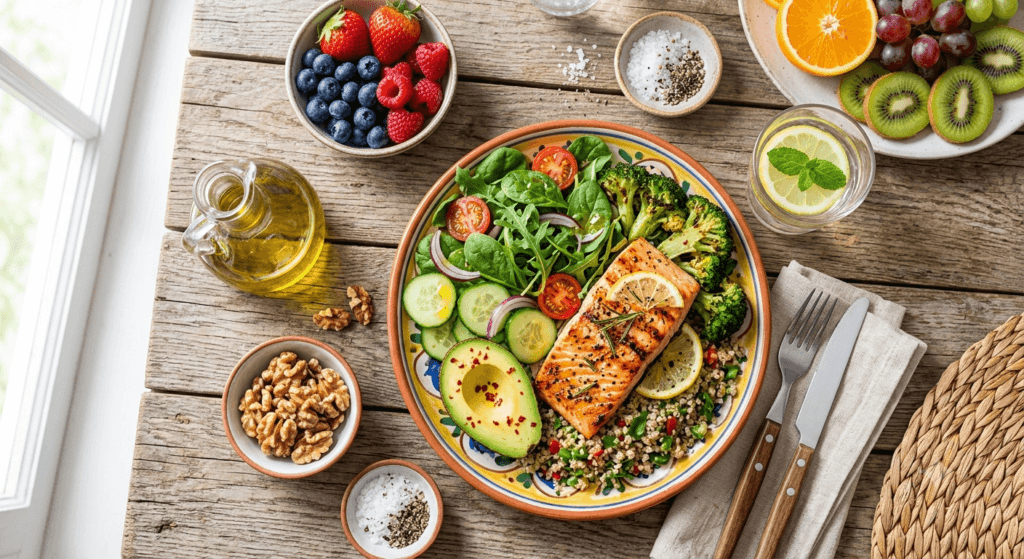
Rather than focusing on restrictive diets or the latest nutrition trends, aim to build meals around whole, minimally processed foods that provide the nutrients your body needs to stay strong and healthy.
Prioritize Protein
One of the biggest nutritional mistakes many adults make after 50 is not eating enough protein.
Protein helps preserve muscle mass, supports immune function, assists tissue repair, and contributes to healthy aging.
Good protein sources include:
- Fish
- Skinless poultry
- Eggs
- Greek yogurt
- Beans and lentils
- Tofu
- Lean meats
- Nuts and seeds
Including a quality protein source with each meal can help maintain muscle and improve satiety.
Fill Half Your Plate with Color
Fruits and vegetables supply vitamins, minerals, antioxidants, and fiber that help protect cells from oxidative stress.
Aim for a variety of colorful produce, including:
- Leafy greens
- Berries
- Tomatoes
- Bell peppers
- Broccoli
- Sweet potatoes
- Citrus fruits
Different colors provide different protective plant compounds, so variety matters.
Choose Healthy Fats
Healthy fats support brain function, heart health, and help reduce inflammation.
Excellent choices include:
- Extra-virgin olive oil
- Avocados
- Walnuts
- Almonds
- Chia seeds
- Flaxseeds
- Fatty fish such as salmon and sardines
Replacing highly processed fats with healthier options is a simple change that may benefit long-term health.
Don’t Forget Fiber
Fiber supports digestive health, helps regulate blood sugar, improves cholesterol levels, and nourishes beneficial gut bacteria.
Good sources include:
- Whole grains
- Oats
- Beans
- Lentils
- Fruits
- Vegetables
- Nuts
- Seeds
A healthy gut microbiome is increasingly recognized as an important factor in healthy aging, influencing digestion, immune function, and possibly even brain health.
Related reading: How to Heal Your Gut Microbiome Naturally
Stay Hydrated
Older adults often experience a reduced sense of thirst, making dehydration more common.
Even mild dehydration may contribute to fatigue, headaches, constipation, reduced concentration, and dizziness.
Water should remain your primary beverage, while fruits, vegetables, soups, and herbal teas can also contribute to daily fluid intake.
Exercise That Supports Healthy Aging
If there were one intervention that consistently improves health at almost every stage of life, it would be regular physical activity.
Exercise supports cardiovascular health, preserves muscle, strengthens bones, improves balance, boosts mood, and helps maintain independence.
The best exercise program is one that combines several types of movement.
Strength Training
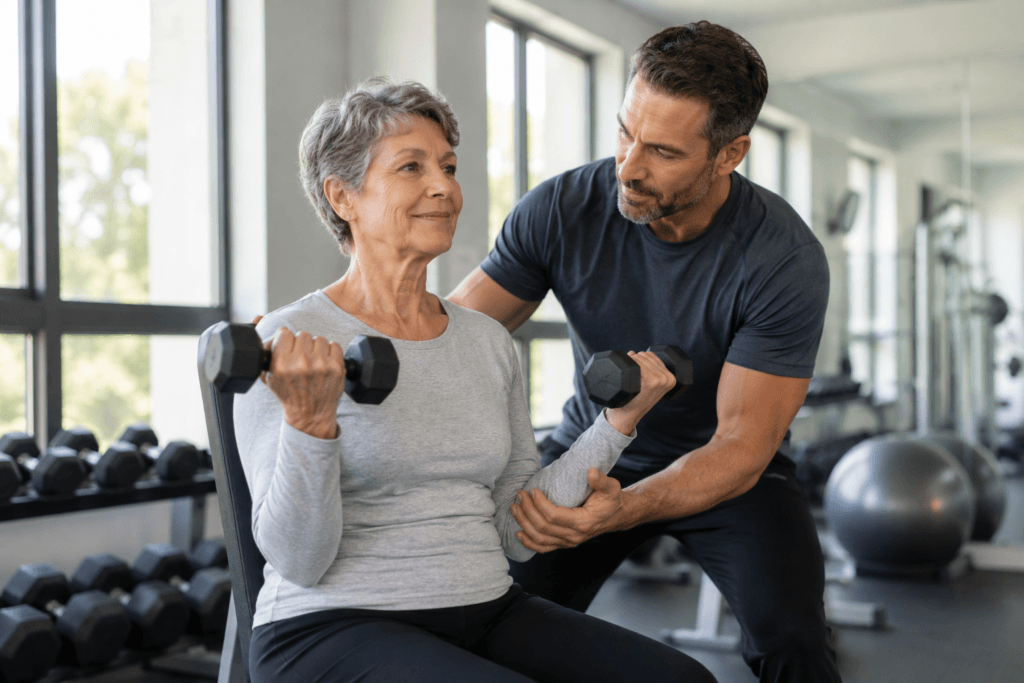
Strength training becomes increasingly valuable after 50 because it helps slow age-related muscle loss and supports healthy bones.
Exercises using resistance bands, free weights, machines, or even body weight can improve strength and make everyday tasks easier.
Most adults benefit from strength training at least two days per week.
Aerobic Exercise
Activities that increase your heart rate support heart and lung health while helping maintain endurance.
Examples include:
- Brisk walking
- Cycling
- Swimming
- Dancing
- Hiking
Aim for regular moderate-intensity activity throughout the week.
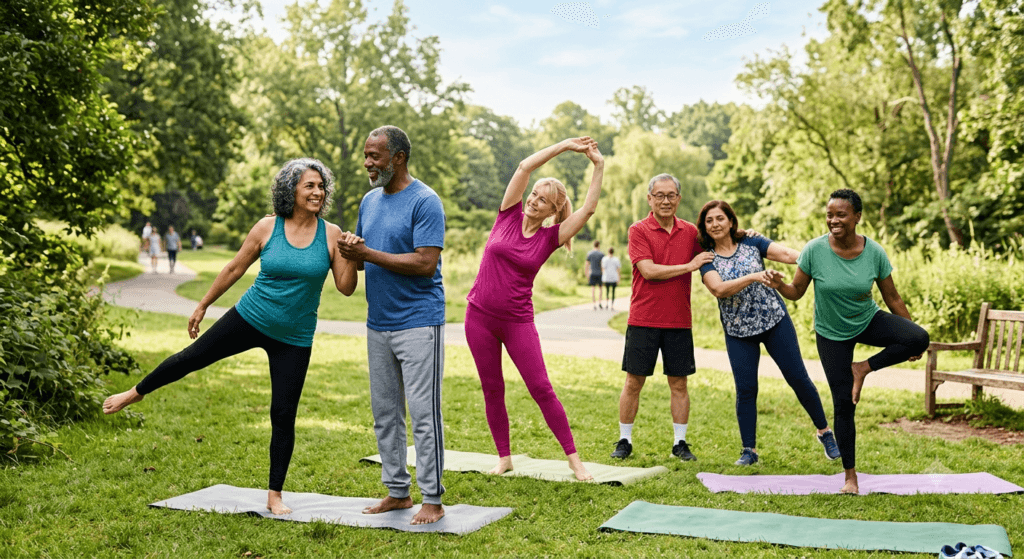
Balance and Mobility
Improving balance and mobility reduces the risk of falls while making daily movement more comfortable and confident.
Exercises such as standing on one leg, tai chi, gentle yoga, and mobility drills help maintain stability and flexibility.
Related reading: Mobility Exercises for Seniors (coming soon)
Flexibility
Stretching helps maintain joint mobility and may reduce stiffness, especially after long periods of sitting.
Gentle stretching after exercise or dedicated flexibility sessions can improve comfort and support better posture.
Remember that exercise doesn’t have to be intense to be beneficial. Consistency is far more important than perfection. Choosing activities you genuinely enjoy makes it much easier to stay active for years to come.
Emotional Well-Being Is an Essential Part of Aging Gracefully
Healthy aging isn’t only measured by blood pressure, cholesterol levels, or physical fitness. Emotional well-being plays an equally important role in how we experience later life.
It’s natural to encounter major life changes after 50, such as career transitions, retirement, children leaving home, caring for aging parents, or losing loved ones. While these experiences can be challenging, developing emotional resilience can help you adapt and maintain a positive outlook.
Manage Stress Before It Becomes Chronic
Short-term stress is a normal part of life, but chronic stress can affect nearly every system in the body. It may contribute to poor sleep, elevated blood pressure, digestive issues, weakened immunity, and reduced energy.
Healthy ways to manage stress include:
- Spending time outdoors
- Practicing mindfulness or meditation
- Deep breathing exercises
- Regular physical activity
- Journaling
- Listening to music
- Connecting with supportive friends and family
You don’t need to eliminate stress completely. The goal is to recover from it more effectively.
Stay Socially Connected
Research consistently shows that strong social relationships are associated with better physical health, improved mental well-being, and greater longevity.
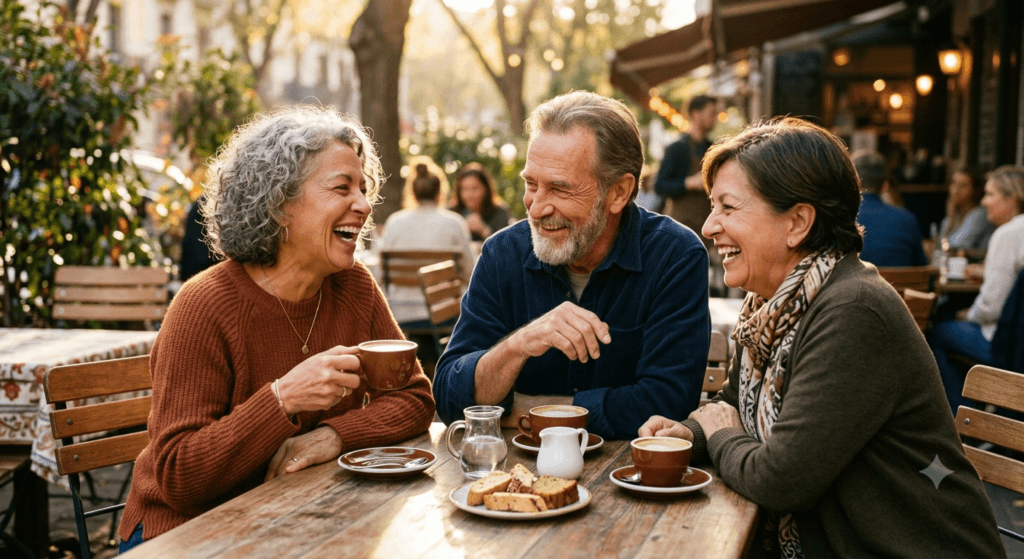
Social connection doesn’t necessarily require a large group of friends. Regular conversations with family members, participating in community activities, volunteering, joining hobby groups, or simply meeting a friend for coffee can all support emotional health.
Maintaining meaningful relationships also helps reduce loneliness, which has been linked to poorer health outcomes in older adults.
Continue Learning Throughout Life
Keeping your mind active doesn’t require formal education.
Learning a new language, taking an online course, reading books, gardening, traveling, cooking new recipes, or developing a creative hobby can all provide mental stimulation while adding enjoyment to everyday life.
Curiosity and lifelong learning help keep both the mind and the spirit engaged.
Preventive Healthcare Helps You Stay Ahead
One of the most effective ways to age gracefully is to focus on prevention rather than waiting until health problems appear.
Regular health checkups allow you and your healthcare provider to monitor important health indicators and identify potential concerns early.
Depending on your age, sex, medical history, and individual risk factors, preventive care may include:
- Blood pressure checks
- Cholesterol testing
- Blood glucose screening
- Colon cancer screening
- Breast or prostate cancer screening
- Bone density testing
- Vision and hearing exams
- Vaccinations
- Dental examinations
Early detection often leads to more treatment options and better long-term outcomes.
Preventive healthcare also creates opportunities to discuss changes in sleep, memory, mobility, mood, or energy before they significantly affect your quality of life.
Common Myths About Aging Gracefully
Many misconceptions about aging can discourage people from taking positive action. Here are some of the most common myths.
Myth 1: Getting Older Means Becoming Frail
While some physical decline naturally occurs with age, regular exercise, proper nutrition, and preventive healthcare can help many people remain active and independent well into their later years.
Myth 2: It’s Too Late to Improve Your Health After 50
Research shows that healthy lifestyle changes can provide benefits at almost any age. Improving your diet, becoming more active, quitting smoking, or improving sleep can all positively affect long-term health.
Myth 3: Wrinkles Define How Well You’re Aging
Skin changes are a normal part of growing older. Graceful aging is better measured by your mobility, strength, mental sharpness, emotional well-being, and ability to enjoy life.
Myth 4: Supplements Can Replace a Healthy Lifestyle
Some supplements may be beneficial for specific nutrient deficiencies or medical conditions, but they cannot replace balanced nutrition, regular physical activity, quality sleep, and routine medical care.
Myth 5: Declining Energy Is Always Normal
Although energy levels may change with age, persistent fatigue shouldn’t automatically be dismissed as “just getting older.” Poor sleep, medical conditions, medications, nutritional deficiencies, or chronic stress may all contribute and deserve evaluation.
Optional Products to Consider
Products are optional supports, not anti-aging treatments. Follow manufacturer safety instructions, protect your eyes when a light-therapy device requires it, stop any activity that causes pain or dizziness, and choose broad-spectrum sunscreen appropriate for your skin. Ask a clinician or dermatologist about medical concerns.
1. Healthy Aging & Recovery
Hooga HG300 Red Light Therapy Panel
Best For: Muscle recovery, joint comfort, skin wellness, and healthy aging support
The Hooga HG300 combines 660nm red light and 850nm near-infrared light to support recovery after exercise and promote overall wellness. Its compact tabletop design, built-in timer, and adjustable stand make it easy to incorporate into a daily healthy aging routine at home.
*Price may change at any time.

2. Fitness & Mobility
Manduka PRO Yoga Mat (6mm)
Best For: Yoga, stretching, balance training, and mobility after 50
The Manduka PRO Yoga Mat is a premium, studio-quality mat designed to provide exceptional cushioning and stability for yoga, stretching, balance exercises, and mobility workouts. Its dense 6mm support, non-slip surface, and lifetime durability make it an excellent investment for adults looking to stay active, improve flexibility, and support healthy aging.
*Price may change at any time.

3. Healthy Skin & Sun Protection
EltaMD UV Clear Face Sunscreen SPF 46
Best For: Daily UV protection, sensitive skin, and maintaining healthy-looking skin as you age
The EltaMD UV Clear Face Sunscreen SPF 46 is a dermatologist-recommended, oil-free mineral sunscreen formulated with zinc oxide to provide broad-spectrum UVA and UVB protection. Lightweight and non-comedogenic, it’s suitable for sensitive, acne-prone, and combination skin. Daily sunscreen use is one of the most effective ways to help prevent premature skin aging caused by sun exposure, making it an essential part of a healthy aging routine.
*Price may change at any time.

Frequently Asked Questions
What is the best way to age gracefully?
The best approach combines balanced nutrition, regular exercise, quality sleep, stress management, preventive healthcare, and maintaining strong social connections. Consistency over time has a much greater impact than trying quick fixes.
At what age does aging begin?
Biological aging starts much earlier than most people realize, but noticeable physical changes often become more apparent during middle age. Healthy lifestyle choices throughout adulthood can influence how these changes develop.
Can you slow the aging process naturally?
Yes. Exercise supports muscle strength, bone health, heart health, balance, flexibility, and cognitive function. It also reduces the risk of many chronic diseases associated with aging.
What foods support healthy aging?
A diet rich in vegetables, fruits, whole grains, legumes, healthy fats, lean protein, and high-fiber foods provides nutrients that support healthy aging and overall wellness.
Does exercise help you age gracefully?
Yes. Exercise supports muscle strength, bone health, heart health, balance, flexibility, and cognitive function. It also reduces the risk of many chronic diseases associated with aging.
Final Thoughts
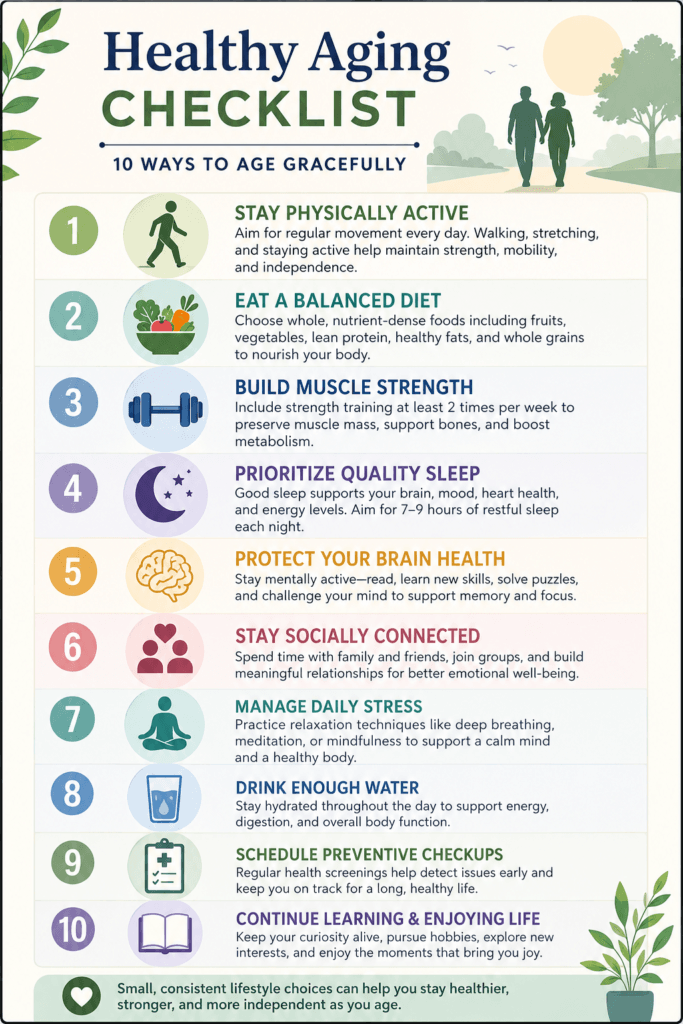
Learning how to age gracefully isn’t about trying to turn back the clock or striving for perfection. It’s about making informed choices that help you stay healthy, active, and independent for as long as possible.
While aging brings inevitable changes, many aspects of healthy aging remain within your control. Nourishing your body with wholesome foods, staying physically active, prioritizing restorative sleep, managing stress, protecting your mental well-being, and keeping up with preventive healthcare all work together to support a better quality of life.
I’ve learned through my own health journey that there isn’t one single solution that transforms your health overnight. Lasting change comes from small, sustainable decisions made consistently over time. Those choices may not stop the years from passing, but they can help you enjoy those years with more energy, resilience, and confidence.
No matter where you are today, the best time to invest in your future health is now. Aging gracefully isn’t about fearing the future—it’s about preparing for it with knowledge, purpose, and a commitment to living well.
Related Reads
- Balanced Lifestyle for Healthy Aging: Daily Habits That Support Longevity
- How to Get More Energy Naturally
- How to Improve Sleep Quality Naturally
- What Is Core Sleep? Why It Matters and How to Improve It
- How to Heal Your Gut Microbiome Naturally
- Emotional Wellness Guide: How to Improve Mental Health
- Best Affordable Skincare Products for Aging Skin
- How to Improve Mental Clarity Naturally: 9 Practical Tips
References
- National Institute on Aging. What Do We Know About Healthy Aging?
- National Institute on Aging. Healthy Aging Tips for the Older Adults in Your Life
- World Health Organization. Healthy Ageing and Functional Ability
- World Health Organization. Ageing and Health
- Centers for Disease Control and Prevention. Older Adult Activity: An Overview
- American Academy of Dermatology Association. Sunscreen FAQs