
Quick Answer
A balanced lifestyle for healthy aging combines quality sleep, regular movement and strength work, nutrient-dense food, stress recovery, social connection, hydration, preventive healthcare, and habits that preserve mobility and independence. No routine guarantees a longer life, but consistent health-supporting behaviors can improve function, resilience, and quality of life. Start with changes you can maintain rather than extreme longevity trends.
Key Takeaways
- Healthy aging focuses on function, mobility, cognition, recovery, connection, and quality of life—not lifespan alone.
- Sleep, movement, strength, nutrition, stress management, and relationships work together.
- Walking is valuable, but strength and balance activities also help preserve independence.
- Supplements cannot replace nutritious food, activity, sleep, or appropriate preventive healthcare.
- Small habits practiced consistently are more useful than extreme “anti-aging” routines.
- Quick Answer
- Introduction
- What Is Healthy Longevity?
- Why Healthy Aging Matters
- How Inflammation Affects Healthy Aging
- Sleep and Longevity Connection
- Gut Health and Longevity
- Balanced Lifestyle Habits That Support Healthy Aging
- Hidden Longevity Mistakes
- Longevity Myths That May Hurt Your Progress
- How to Fix It Without Overwhelm
- Best Foods for Longevity
- Mobility and Strength After 40
- 7-Day Longevity Reset Plan
- How Long Results Take
- What to Expect After 30 Days
- Optional Products to Consider
- Home Walking Equipment
- Gut Health Supplements
- FAQ
- When to Seek Help
- Final Summary
Introduction
Many people think longevity is only about genetics, but modern wellness research suggests that a balanced lifestyle may play a much bigger role than most people realize. Healthy aging is not simply about living longer — it is about maintaining energy, mobility, mental clarity, recovery, and independence throughout life.
The good news is that longevity habits and healthy daily habits do not need to be extreme or complicated. In many cases, small improvements to sleep, stress management, nutrition, movement, and recovery can create meaningful long-term wellness benefits over time. People who consistently prioritize a balanced lifestyle often experience better physical function, improved mood, healthier metabolism, and stronger overall resilience as they age.
Modern longevity research also highlights the importance of reducing chronic stress, supporting gut health, improving sleep quality, and staying physically active. These foundational wellness strategies may help support healthier aging naturally without relying entirely on restrictive diets or complicated wellness trends.
In this guide, you’ll learn how to live longer naturally using realistic daily wellness habits designed to support long-term vitality, recovery, energy, and overall well-being.
What Is Healthy Longevity?
Healthy longevity refers to improving both lifespan and healthspan. Lifespan is how long you live, while healthspan focuses on how long you remain active, independent, mentally sharp, and physically healthy.
Many people are now focusing on healthy aging rather than simply extending lifespan. Longevity habits often aim to support:
- cardiovascular health,
- cognitive function,
- recovery,
- sleep quality,
- muscle strength,
- mobility,
- energy,
- and metabolic balance.
Healthy aging naturally involves building balanced lifestyle that reduce long-term stress on the body while supporting recovery and resilience. Unlike quick-fix wellness trends, longevity strategies are usually based on consistency and daily habits practiced over years.
Simple wellness improvements such as better sleep hygiene, regular walking, hydration, stress reduction, and balanced nutrition may significantly impact long-term health outcomes over time.

Why Healthy Aging Matters
Aging affects every system in the body, including metabolism, muscle recovery, cognitive function, sleep quality, and energy production. Without supportive habits, people may experience increased fatigue, slower recovery, reduced mobility, and higher stress levels over time.
Healthy aging matters because it focuses on preserving quality of life. Many longevity experts now emphasize:
- maintaining movement,
- protecting brain health,
- supporting recovery,
- reducing inflammation,
- and improving emotional well-being.
For example, poor sleep and chronic stress may negatively affect energy, hormones, recovery, and immune function. Over time, unhealthy habits can compound and contribute to burnout, fatigue, and reduced physical resilience.
On the other hand, healthier routines often improve:
- sleep quality,
- energy stability,
- daily movement,
- recovery,
- mental clarity,
- and emotional balance.
The earlier a balanced lifestyle begins, the greater the long-term benefits may become.
How Inflammation Affects Healthy Aging
The goal is not perfection. Longevity is usually built through a consistent balanced lifestyle that reduces unnecessary stress on the body over time.
Many modern lifestyle habits contribute to ongoing inflammation without people realizing it. Common triggers include:
- chronic stress,
- poor sleep,
- ultra-processed foods,
- lack of movement,
- dehydration,
- smoking,
- excessive alcohol,
- and constant overstimulation.
Over time, chronic inflammation may place additional stress on the body and contribute to fatigue, slower recovery, joint discomfort, brain fog, and reduced resilience. This is one reason many longevity experts focus heavily on recovery and lifestyle balance rather than extreme health trends.
Sleep quality plays a major role in inflammation management. Even a few nights of poor sleep may increase stress hormones and affect the body’s recovery systems. Likewise, chronic emotional stress can make it harder for the body to recover properly.
Anti-inflammatory lifestyle habits often include:
- eating more whole foods,
- reducing processed sugars,
- improving sleep,
- walking regularly,
- staying hydrated,
- and managing stress naturally.
The goal is not perfection. Longevity is usually built through consistent healthy habits that reduce unnecessary stress on the body over time.
Sleep and Longevity Connection
Sleep is one of the strongest predictors of long-term wellness and healthy aging. During deep sleep, the body performs many essential recovery functions that support both physical and mental health.
Poor sleep may affect:
- hormone balance,
- metabolism,
- cognitive function,
- stress levels,
- appetite regulation,
- and immune health.
Many people normalize poor sleep because modern lifestyles are highly overstimulating. Late-night screen exposure, stress, irregular schedules, and poor sleep environments can gradually reduce sleep quality over time.
One common mistake is focusing only on sleep duration instead of sleep quality. Someone may technically spend eight hours in bed while still experiencing fragmented or low-quality sleep.
Healthy sleep habits that may support longevity include:
- consistent sleep schedules,
- reducing blue-light exposure at night,
- keeping the bedroom cool and dark,
- limiting caffeine late in the day,
- and creating calming nighttime routines.
For example, replacing late-night phone scrolling with stretching, reading, or relaxation exercises may help improve recovery and reduce nighttime stress stimulation.
Better sleep often improves:
- mood,
- focus,
- energy,
- recovery,
- and emotional resilience.
Many people also notice healthier eating habits and more stable energy once sleep quality improves consistently.
Long-term healthy aging depends heavily on recovery, and sleep remains one of the body’s most important recovery systems.
Gut Health and Longevity
Gut health is increasingly connected to long-term wellness and healthy aging. The digestive system influences:
- nutrient absorption,
- immunity,
- inflammation,
- mood,
- and energy production.
When gut health becomes imbalanced, people may experience:
- bloating,
- fatigue,
- digestive discomfort,
- cravings,
- irregular digestion,
- or low energy.
Many longevity-focused wellness experts now emphasize microbiome support because gut balance may affect multiple areas of health simultaneously.
Modern diets high in processed foods and low in fiber may negatively impact gut balance over time. Stress and poor sleep may also affect digestion more than many people realize.
Simple gut-friendly habits often include:
- increasing fiber intake,
- eating more vegetables,
- staying hydrated,
- consuming fermented foods,
- and reducing heavily processed meals.
For example, someone constantly eating fast food while under chronic stress may notice digestive issues, fatigue, and unstable energy levels. Gradually improving nutrition and hydration may help support better digestive balance over time.
Gut health improvements are often gradual. Consistency matters more than extreme dietary changes.
Supporting digestion naturally may also help improve:
- recovery,
- energy,
- mental clarity,
- and overall wellness.
Balanced Lifestyle Habits That Support Healthy Aging
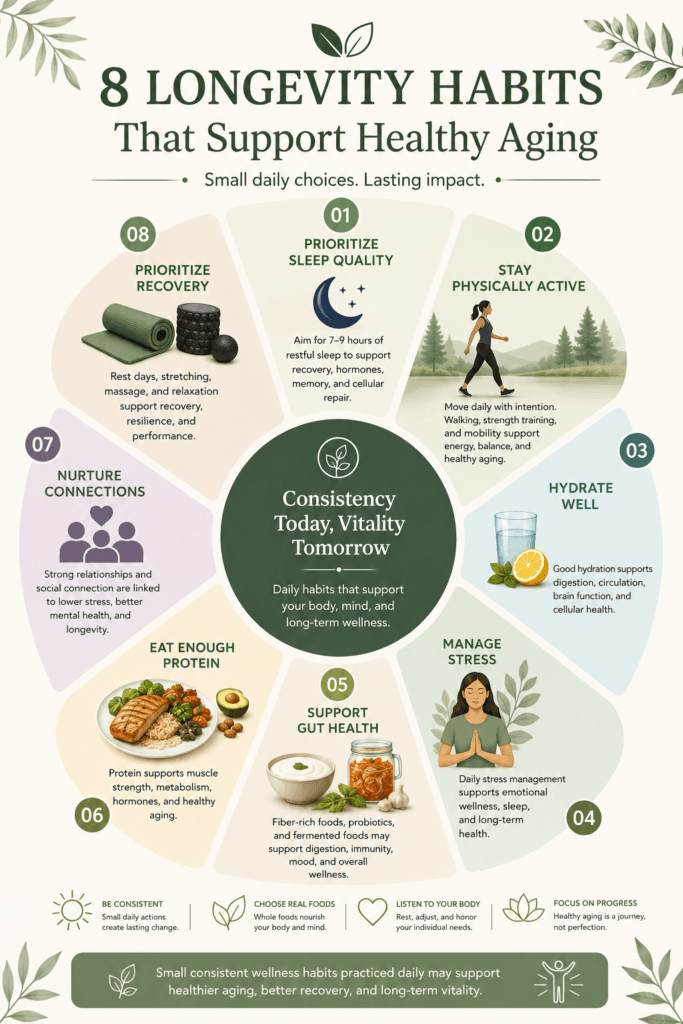
Prioritize Sleep Quality
Sleep is one of the most important longevity habits because recovery happens during deep sleep. Poor sleep may affect mood, memory, stress hormones, metabolism, energy levels, and overall recovery.
Many adults underestimate how much sleep quality affects long-term health. Common signs of poor recovery include:
- waking up tired,
- afternoon crashes,
- brain fog,
- irritability,
- and increased cravings.
Improving sleep naturally often starts with:
- consistent sleep schedules,
- reducing nighttime screen exposure,
- lowering stress,
- and creating a calming sleep environment.
For example, someone who stays awake scrolling on their phone every night may struggle with poor sleep quality and low daytime energy. Replacing that habit with reading, stretching, or relaxation techniques may improve sleep consistency over time.
Sleep is one of the strongest foundations of healthy aging. For practical ways to improve it, see our complete sleep-quality guide.

Stay Physically Active
Regular movement supports cardiovascular health, mobility, muscle strength, metabolism, and mental wellness. Physical activity does not need to involve intense workouts every day to support longevity.
Walking, stretching, bodyweight exercises, mobility work, and resistance training may all contribute to healthier aging and improved daily function.
A common mistake is becoming too sedentary due to desk work or stress. Sitting for long periods may contribute to stiffness, poor circulation, low energy, and reduced mobility over time.
Simple improvements include:
- daily walks,
- standing breaks,
- stretching routines,
- and moderate strength training several times per week.
Consistency matters more than perfection when building sustainable movement habits and other healthy daily habits.

Reduce Chronic Stress
Long-term stress may negatively affect sleep, digestion, recovery, mood, and overall health. Chronic stress can increase inflammation and contribute to fatigue, emotional burnout, and unhealthy coping behaviors.
Many people ignore stress until it starts affecting the following:
- sleep quality,
- appetite,
- energy,
- concentration,
- or digestion.
Healthy longevity habits often include:
- mindfulness,
- breathing exercises,
- journaling,
- relaxation routines,
- outdoor walks,
- and reducing overstimulation.
For example, constantly working without recovery time may eventually lead to exhaustion and burnout. Small stress-management habits practiced consistently often support healthier emotional resilience over time.
Reducing stress naturally is one of the most overlooked longevity strategies.

Support Gut Health
The gut plays an important role in digestion, nutrient absorption, immunity, mood, and energy regulation. Poor gut health may contribute to bloating, fatigue, digestive discomfort, and reduced overall wellness.
Longevity-focused wellness habits often include:
- eating fiber-rich foods,
- staying hydrated,
- reducing ultra-processed foods,
- and supporting microbiome balance.
Many people notice improved energy and digestion after improving gut-friendly habits. Small changes such as eating more whole foods, fermented foods, and vegetables may support digestive balance over time.
The gut-health connection is becoming increasingly important in modern longevity research.

Eat Nutrient-Dense Foods
Healthy aging naturally requires adequate nutrition. Nutrient-dense foods help support recovery, metabolism, energy production, and cellular function.
A longevity-focused nutrition approach often prioritizes:
- lean proteins,
- healthy fats,
- fruits,
- vegetables,
- fiber,
- hydration,
- and balanced meals.
Common mistakes include:
- excessive processed foods,
- frequent sugar spikes,
- low hydration,
- and inconsistent meal timing.
For example, someone relying heavily on fast food and sugary snacks may experience energy crashes and poor recovery. Gradually replacing processed foods with more balanced meals can improve long-term wellness and energy stability.
Protect Brain Health
Longevity habits should support both physical and mental health over time and help people focus on aging well.
Helpful habits may include:
- reading,
- learning new skills,
- social interaction,
- stress reduction,
- quality sleep,
- and regular movement.
Brain fog, forgetfulness, and mental fatigue are often connected to sleep, stress, nutrition, and recovery habits.
Maintaining curiosity, movement, and social engagement may help support long-term cognitive resilience. Our mental clarity guide covers sleep, stress, hydration, focused work, and other common contributors to brain fog.
Stay Socially Connected
Strong social relationships are often associated with better emotional health and healthier aging outcomes. Isolation and chronic loneliness may negatively affect mood, stress levels, and overall wellness.
Healthy social habits may include:
- spending time with family,
- maintaining friendships,
- participating in communities,
- or simply staying socially engaged.
Even small positive social interactions may support emotional well-being and stress reduction over time.
Longevity is not only physical — emotional wellness also matters.
Hidden Longevity Mistakes
Many people unintentionally harm long-term wellness through small daily habits that compound over time.
Common mistakes include:
- poor sleep consistency,
- constant stress,
- inactivity,
- dehydration,
- excessive alcohol,
- processed foods,
- and ignoring recovery.
Another major mistake is trying extreme wellness trends that are difficult to maintain. Sustainable longevity habits work best when they are realistic and consistent.
Many people also underestimate the importance of recovery. Constant overworking without rest may contribute to burnout, poor sleep, and chronic fatigue over time.
Healthy aging usually comes from a balanced lifestyle rather than perfection.
Longevity Myths That May Hurt Your Progress
The wellness industry often promotes unrealistic anti-aging expectations. Many people become overwhelmed because they believe healthy aging requires expensive supplements, extreme diets, or complicated biohacking routines.
In reality, most longevity research consistently points toward a foundational balanced lifestyle.
Myth 1: Longevity Requires Extreme Wellness Routines
Many people think healthy aging requires intense exercise programs, restrictive diets, or expensive recovery treatments. While advanced wellness tools may help some individuals, sustainable basics usually matter most.
Myth 2: Supplements Alone Can Solve Aging
Supplements may support wellness goals, but they cannot replace sleep, movement, stress management, hydration, and balanced nutrition.
Myth 3: Aging Means Losing Energy Automatically
While aging naturally changes the body over time, lifestyle habits strongly influence:
- mobility,
- recovery,
- strength,
- energy,
- and resilience.
Many people improve energy significantly after improving sleep, movement, and stress-management habits.
Myth 4: It’s Too Late to Improve Health After 40
Healthy habits may still create meaningful improvements later in life. Small changes practiced consistently can support better wellness and recovery at almost any age.
Longevity should focus on sustainability rather than perfection.
How to Fix It Without Overwhelm
Trying to improve every wellness habit at once often becomes overwhelming. Instead, focus on small sustainable improvements and healthy life habits that are easy to maintain.
Start with:
- Sleep consistency
- Daily walking
- Hydration
- Healthier meals
- Stress reduction
- Better recovery habits
For example, someone struggling with fatigue and stress might begin by:
- improving bedtime routines,
- walking daily,
- and reducing screen time before sleep.
Simple changes repeated consistently often create more sustainable results than aggressive wellness routines that are impossible to maintain long-term.
The goal is progress, not perfection.
Best Foods for Longevity
Nutrition plays a major role in healthy aging naturally and is closely linked to health and longevity. Many longevity-focused eating patterns emphasize whole foods that support recovery, energy, digestion, and inflammation balance.
Some of the best foods commonly associated with longevity include:
Leafy Greens
Vegetables such as spinach, kale, and arugula provide nutrients and antioxidants that support overall wellness.
Berries
Berries are rich in antioxidants and are commonly included in healthy aging nutrition plans.
Healthy Fats
Foods such as olive oil, avocados, nuts, and seeds may support heart and brain wellness.
Fermented Foods
Yogurt, kefir, kimchi, and sauerkraut may help support gut microbiome balance.
Protein Sources
Protein supports muscle maintenance and recovery, especially as people age. Helpful sources include:
- eggs,
- fish,
- poultry,
- legumes,
- and Greek yogurt.
Omega-3 Foods
Fatty fish like salmon and sardines may support brain and heart health.
Hydrating Foods
Fruits and vegetables with high water content may help support hydration and recovery.
Longevity nutrition does not need to be overly restrictive. Balanced eating patterns are usually more sustainable long-term than aggressive dieting approaches.
Mobility and Strength After 40
Maintaining mobility and muscle strength becomes increasingly important with age. Many adults begin losing muscle mass gradually after 40, especially when activity levels decrease.
Strength and mobility help support:
- balance,
- posture,
- independence,
- recovery,
- and overall physical resilience.
One major mistake is focusing only on cardio while ignoring resistance training and flexibility. Healthy aging often benefits from a combination of:
- walking,
- mobility exercises,
- stretching,
- and strength-building activities.
Simple resistance exercises using body weight, resistance bands, or light weights may help support muscle maintenance over time.
Mobility work is equally important. Tight muscles and stiff joints may reduce comfort and increase injury risk as people age.
For example, someone who sits for long hours daily may gradually develop poor posture, stiffness, and lower mobility. Adding stretching and walking breaks throughout the day may help improve movement quality over time.
The goal is not intense athletic performance. The goal is preserving long-term movement, confidence, and physical function naturally.
7-Day Longevity Reset Plan
This simple reset focuses on a balanced lifestyle that may support healthy aging, better recovery, and long-term wellness.
Day 1
Improve sleep schedule and reduce screen exposure before bed.
Day 2
Increase hydration and prioritize balanced meals.
Day 3
Add a 20–30 minute walk.
Day 4
Practice stress reduction techniques like breathing exercises or journaling.
Day 5
Improve gut-friendly eating habits with more fiber and vegetables.
Day 6
Reduce processed foods and prioritize recovery.
Day 7
Review your routines and identify the habits that felt most sustainable.
Consistency is more important than intensity.
How Long Results Take
Some wellness improvements may appear within days, while others take weeks or months. Better sleep, hydration, and movement habits often improve energy relatively quickly.
Gut health improvements and stress reduction may require more consistency over time. Long-term benefits such as improved recovery, healthier aging, and better resilience usually develop gradually through sustainable lifestyle habits.
Healthy longevity is a long-term process rather than a short-term challenge.
What to Expect After 30 Days
After 30 days of practicing a more balanced lifestyle, some people may notice changes such as:
- improved energy,
- better sleep quality,
- reduced stress,
- more stable mood,
- improved digestion,
- and better recovery.
Some people may also feel:
- mentally clearer,
- more motivated,
- and physically stronger.
The biggest improvements often come from combining several supportive habits rather than relying on one wellness trend or supplement alone.
Optional Products to Consider
Products and supplements are optional supports, not longevity treatments. Magnesium and probiotics can cause side effects or interact with medications, and body-composition readings from consumer devices are estimates. Discuss supplements with a qualified healthcare professional when appropriate.
Sleep Optimization Supplements
Learning how to live longer naturally is less about chasing perfection and more about building sustainable wellness habits that support long-term vitality. Better sleep, daily movement, stress management, balanced nutrition, gut health support, hydration, and recovery all contribute to healthier aging over time.
⭐ Editor’s Pick
Life Extension Neuro-Mag Magnesium L-Threonate
Best For: Brain Recovery, Sleep Quality & Cognitive Support

Life Extension Neuro-Mag Magnesium L-Threonate is formulated with a specialized magnesium form designed to support brain health, mental clarity, relaxation, and sleep recovery. Many people use magnesium L-threonate as part of wellness and longevity routines focused on cognitive performance and healthy aging.
✔ Supports relaxation and recovery
✔ May support memory and cognitive wellness
✔ Designed for brain-focused magnesium support
✔ Supports healthier sleep and stress management
👉 Support both sleep recovery and long-term brain wellness naturally.
Home Walking Equipment
Compact walking pads and folding treadmills are commonly used to support daily movement, cardiovascular wellness, mobility, and healthier long-term lifestyle habits from home.
⭐ Editor’s Pick
UREVO Smart 2-in-1 Folding Treadmill
Best For: Daily Movement & Healthy Aging Routines

UREVO Smart 2-in-1 Folding Treadmill combines walking pad convenience with treadmill functionality to help support consistent movement throughout the day. Its compact foldable design makes it ideal for home offices, apartments, and wellness-focused lifestyles centered around healthy aging and daily activity.
✔ Supports consistent daily movement
✔ Encourages active lifestyle habits
✔ Compact foldable space-saving design
✔ Suitable for walking and light jogging
✔ Helps reduce sedentary time during workdays
👉 Make movement easier, more consistent, and more sustainable from home.
Gut Health Supplements
Probiotic supplements are commonly used to support gut microbiome balance, digestive wellness, immunity, and overall wellness as part of healthy aging routines.
⭐ Editor’s Pick
Garden of Life Dr. Formulated Probiotics
Best For: Digestive Balance & Gut Wellness
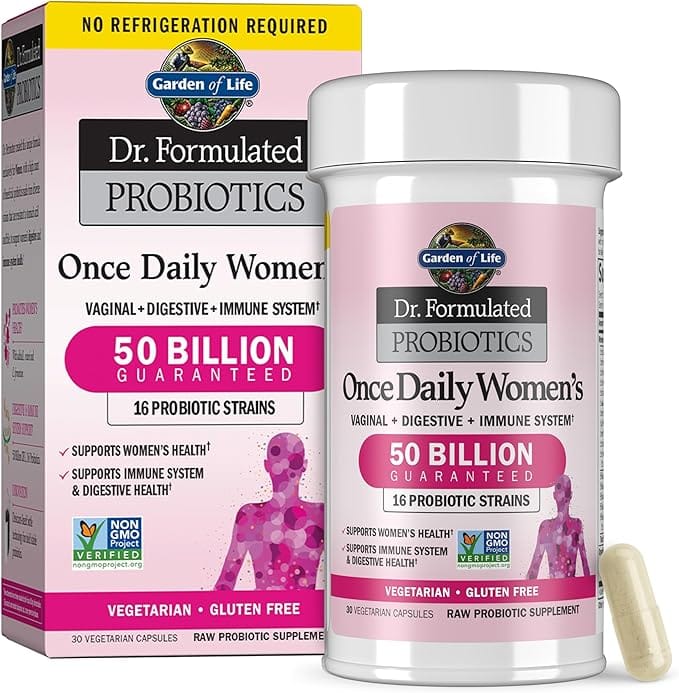
Garden of Life Dr. Formulated Probiotics contains multiple probiotic strains and high-potency CFU support designed to help maintain digestive balance and gut health. Many wellness-focused lifestyles include probiotics to support digestion, recovery, and microbiome diversity.
✔ Supports digestive balance and gut wellness
✔ Helps maintain healthy microbiome diversity
✔ Supports immune system wellness
✔ Shelf-stable daily probiotic formula
👉 Support healthier digestion and daily wellness naturally.
These evidence-based longevity tips focus on sustainable lifestyle improvements rather than extreme wellness trends.
FAQ
What is the best habit for longevity?
Sleep quality, regular movement, stress management, and balanced nutrition are among the most important longevity habits. Consistency across multiple healthy habits usually matters more than any single strategy.
Can a balanced lifestyle really improve lifespan?
While no habit guarantees a longer life, research consistently shows that healthier lifestyle habits may support better long-term wellness, recovery, and overall quality of life.
Does exercise help longevity?
Yes. Regular physical activity may support cardiovascular health, mobility, recovery, metabolism, and emotional well-being. Even moderate daily movement can provide benefits.
How important is sleep for healthy aging?
Sleep is critical for recovery, hormone balance, stress management, energy production, and cognitive function. Poor sleep may negatively affect long-term health over time.
Are supplements necessary for longevity?
Supplements may support wellness goals in some cases, but they work best alongside healthy sleep, nutrition, movement, and stress-management habits.
What foods support healthy aging naturally?
Whole foods such as vegetables, berries, healthy fats, lean proteins, fermented foods, and fiber-rich meals are commonly associated with healthier aging and long-term wellness support.
Can stress speed up aging?
Chronic stress may negatively affect sleep, recovery, hormones, inflammation, and emotional wellness over time. Managing stress consistently is an important part of healthy aging naturally.
Does hydration affect longevity?
Yes. Hydration supports circulation, energy, recovery, digestion, and overall body function. Even mild dehydration may contribute to fatigue and reduced physical performance.
Why is mobility important after 40?
Mobility helps support balance, posture, flexibility, recovery, and daily movement quality. Maintaining mobility may help preserve independence and physical function long-term.
Is walking enough for healthy aging?
Walking is one of the best sustainable forms of movement for long-term wellness. Combining walking with strength and mobility exercises may provide even greater healthy aging benefits.
When to Seek Help
If you experience:
- persistent fatigue,
- chronic sleep problems,
- ongoing digestive issues,
- unexplained weight changes,
- or severe stress symptoms,
it may be helpful to speak with a qualified healthcare professional. Wellness content should support healthy habits but should not replace personalized medical advice.
Healthy aging naturally starts with small consistent habits that support energy, recovery, sleep, and overall wellness over time.
Explore more PurelyVital Living guides on sleep optimization, gut health, wellness routines, supplements, and healthy aging strategies designed to help you feel your best naturally.
Final Summary
Healthy longevity is not built overnight. Small improvements practiced consistently often create the biggest long-term benefits. Instead of focusing on extreme routines, prioritize habits that feel realistic and sustainable within your daily lifestyle.
The goal of healthy aging is not simply living longer or merely trying to age well — it is maintaining energy, resilience, mobility, and quality of life for years to come.
Related Reads
- Why Do I Wake Up Tired?
- Best Magnesium Supplements for Sleep and Stress
- 7 Signs of Poor Gut Health
- Why Am I So Tired in the Afternoon? 7 Common Causes + Fixes
- 7 Healthy Sleep Habits to Transform Your Nighttime Routine
- Best Home Fitness & Longevity Gadgets
- How to Age Gracefully After 50: Your Complete Guide
- Emotional Wellness Guide: How to Improve Mental Health