Quick Answer
The best vitamin D supplements for energy and immunity usually provide vitamin D3 in a clearly labeled dose, with softgels, liquid drops, vegan D3, and D3 + K2 formulas available for different preferences. Vitamin D can support bone, muscle, and immune function, but energy benefits are most likely when a low vitamin D level is corrected. Testing is more reliable than guessing, and high-dose vitamin D should be used cautiously because excessive intake can raise calcium levels and cause harm. People with kidney disease, calcium disorders, or relevant medications should seek professional guidance.
Key Takeaways
- Vitamin D3 is the most common supplemental form. Softgels, liquid drops, vegan D3, and D3 + K2 products can all be practical depending on your preferences.
- Vitamin D is not a general energy booster. Fatigue may improve when a genuine deficiency is corrected, but tiredness has many other possible causes.
- Testing is more useful than guessing. Bloodwork can help determine whether supplementation is needed and whether the dose is appropriate.
- Higher doses are not automatically better. Excess vitamin D can raise calcium levels and lead to harmful side effects.
- Check medications and health conditions. Kidney disease, calcium disorders, and some medications require professional guidance.
- Key Takeaways
- Introduction
- What Is Vitamin D and Why Does It Matter?
- Best Vitamin D Supplements for Energy and Immunity
- Which Vitamin D Supplement Is Best for You?
- Why It Happens: Why So Many Adults Need Vitamin D
- Who Is More Likely to Need Vitamin D Support?
- Hidden Signs You May Need to Review Vitamin D Intake
- How to Choose a Quality Vitamin D Supplement
- When and How to Take Vitamin D
- Common Buying Mistakes
- How to Fix It Without Overwhelm
- 7-Day Wellness Reset Plan
- How Long Results Take
- What to Expect After 30 Days
- Best Products to Consider
- FAQ
- When to Seek Help
- Final Summary
Introduction
Vitamin D plays a key role in overall wellness, but many people search specifically for the best vitamin D supplements for energy and immunity when they feel tired, run down, or want better daily support. With so many options available, choosing the right supplement can feel confusing.
People who spend long hours indoors, live in colder climates, cover skin regularly, or avoid fortified foods may be more likely to have low intake.
That is why vitamin D supplements remain popular year after year.
Many shoppers are not just looking for bone support anymore. They want to know:
- Can vitamin D help energy?
- Which form is best?
- Is D3 better than D2?
- Do I need K2 with it?
- What brand should I trust?
This guide covers the best vitamin D supplements for energy and immunity in 2026, how to choose wisely, and what to know before buying.
What Is Vitamin D and Why Does It Matter?
Understanding how vitamin D works can help you choose the best vitamin D supplements for energy and immunity, especially if your goal is to support daily wellness and avoid common deficiencies.
Vitamin D is unique because the body can produce it when skin is exposed to sunlight. However, modern indoor lifestyles, seasonal changes, and limited sun exposure often reduce that opportunity.
It helps support multiple body systems, not just bones. That is why interest in vitamin D now extends into wellness, immunity, mood, and daily performance.
Many people do not realize that low vitamin D can develop quietly over time, which is one reason testing and informed supplementation are common discussion points with healthcare professionals.
Vitamin D acts more like a hormone than a simple vitamin and supports many systems in the body.
It is especially known for supporting:
- Immune health
- Calcium balance
- Bone strength
- Muscle function
- General wellness
Low vitamin D levels may be associated with fatigue, low mood, or reduced resilience in some people, though symptoms vary.
Because modern lifestyles often reduce sun exposure, supplementation is common.
Best Vitamin D Supplements for Energy and Immunity
Choosing the right vitamin D supplement depends on your lifestyle, preferences, and daily routine. Different forms offer different advantages, and understanding them can help you make a smarter decision.
This is why many people specifically look for the best vitamin D supplements for energy and immunity rather than generic multivitamins.
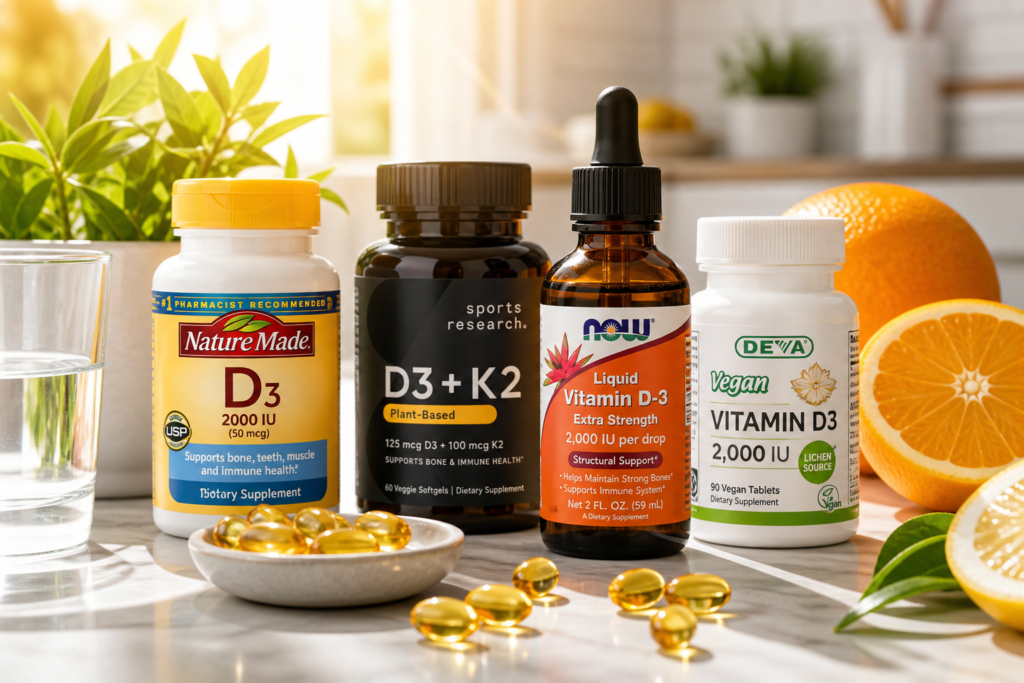
1. Vitamin D3 Softgels
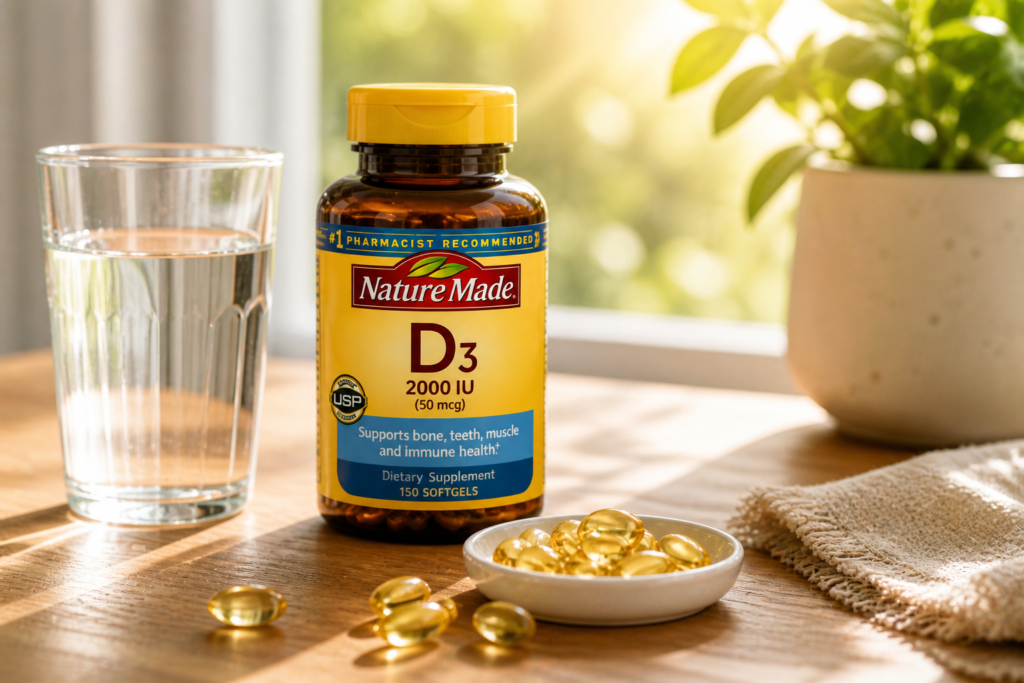
Softgels are often chosen because they are convenient, portable, and easy to make part of a daily routine.
Many formulas use oil-based delivery, which some users prefer for absorption support.
This is usually the easiest starting option for most adults.
Vitamin D3 (cholecalciferol) is the most commonly recommended supplemental form.
Many people prefer softgels because they are simple and convenient.
Best For
- Daily maintenance
- Easy routine use
- Most adults
Example
Nature Made Vitamin D3
2. Vitamin D3 + K2 Formulas
Combo products appeal to people who prefer fewer separate bottles.
They can simplify routines and may be attractive to those already focused on bone-health habits such as calcium intake and resistance exercise.
Some people prefer pairing D3 with vitamin K2 as part of a bone-health focused routine.
Best For
- Those wanting combo formulas
- Simplifying supplement stacks
Example
Sports Research D3 + K2
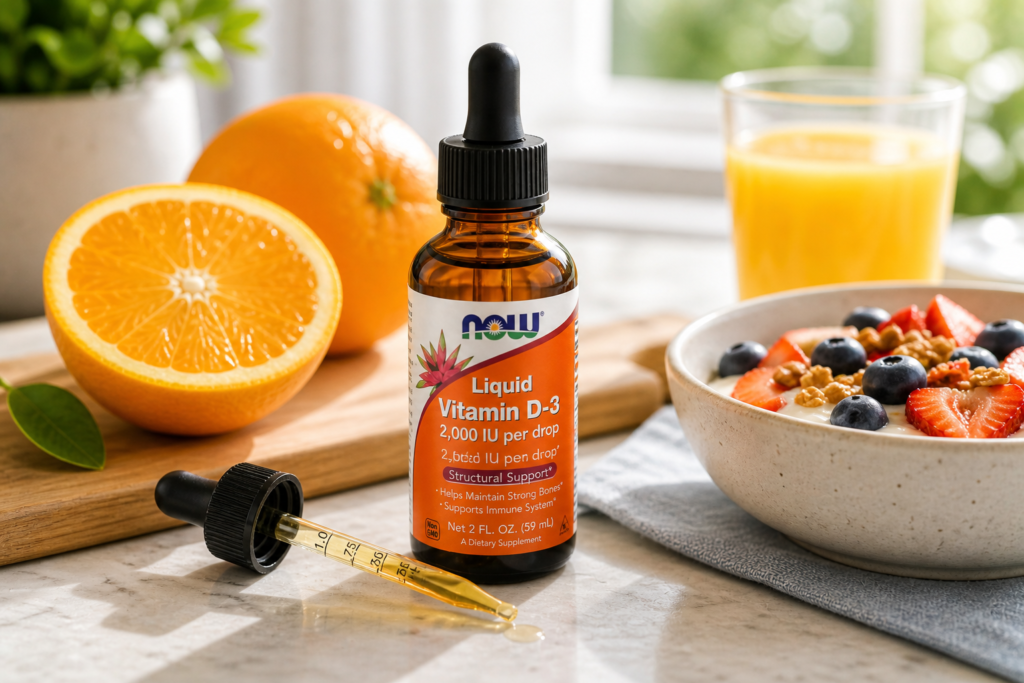
3. Liquid Vitamin D Drops
Drops are useful for people who dislike swallowing pills or want flexible serving sizes.
They can also be convenient for households where multiple adults use different amounts under guidance.
Liquid drops are useful for flexible dosing or people who dislike swallowing pills.
Best For
- Pill-free option
- Adjustable serving size
Example
NOW Foods Liquid Vitamin D3
4. Higher Potency Weekly Use Options
Some people prefer less frequent routines, but higher-dose use is best approached carefully.
Following product directions or professional advice is especially important here.
Some users choose higher-dose products taken less frequently depending on professional guidance.
Best For
- Structured routines
- Those advised by clinician
5. Vegan Vitamin D3
Vegan D3 from lichen has become increasingly popular and allows plant-based users to access D3 rather than relying only on D2.
Traditional D3 is often lanolin-derived, but vegan options from lichen are now available.
Best For
- Plant-based lifestyles
Which Vitamin D Supplement Is Best for You?
The best option often depends on lifestyle and preference.
Best for Simplicity
Vitamin D3 softgels are usually the easiest daily option.
Best for Minimal Bottles
D3 + K2 combos may appeal to people who prefer streamlined routines.
Best for People Who Dislike Pills
Liquid drops can be simple and flexible.
Best for Plant-Based Lifestyles
Vegan lichen-based D3 is a practical choice.
Best for Structured Less-Frequent Use
Higher-potency options may suit some users when used responsibly.
Choosing a supplement you will actually take consistently often matters more than chasing the “perfect” formula.
Why It Happens: Why So Many Adults Need Vitamin D
Modern life can reduce vitamin D exposure through:
- Indoor work
- Screen-heavy lifestyles
- Less outdoor time
- Seasonal weather
- Sunscreen use
- Aging-related changes
That helps explain why supplementation is common.

Who Is More Likely to Need Vitamin D Support?
Some groups commonly discuss vitamin D status more often with professionals.
Examples include:
- People working indoors most of the day
- Adults with limited outdoor time
- Those living in low-sunlight seasons or climates
- Older adults
- People who regularly cover most skin outdoors
- Individuals with darker skin tones who may produce less vitamin D from sunlight under similar conditions
This does not guarantee deficiency—it simply means awareness may be useful.
Hidden Signs You May Need to Review Vitamin D Intake
Some people discuss vitamin D status with a healthcare provider if they notice:
- Low mood
- Fatigue
- Indoor lifestyle
- Minimal sunlight
- Older age
- Bone concerns
Testing can be useful rather than guessing.
How to Choose a Quality Vitamin D Supplement
Look for:
- Reputable brands
- Clear dosage labeling
- Third-party testing when possible
- D3 form if preferred
- Oil-based softgels or quality drops
Avoid products with unrealistic claims.
When and How to Take Vitamin D
Many people prefer taking vitamin D with a meal that contains some fat, since vitamin D is fat-soluble.
Practical timing options:
- Breakfast with eggs or yogurt
- Lunch with balanced meals
- Dinner if easiest to remember
The best time is often the time you will take it consistently.
Missing doses frequently usually matters more than morning versus evening debates.
Common Buying Mistakes
- Assuming more is always better
- Ignoring total intake from multivitamins
- Buying unknown brands only for price
- Never checking blood levels when appropriate
- Expecting overnight energy changes
Other common mistakes include:
- Buying mega-doses unnecessarily
- Taking multiple supplements that all contain vitamin D
- Ignoring label serving sizes
- Choosing only by price
- Expecting dramatic overnight changes
A quality moderate routine often beats random inconsistent use.
How to Fix It Without Overwhelm
If considering vitamin D:
Start Smart
- Review your current supplements
- Check label dosage
- Consider discussing testing with a professional
- Choose one quality product
- Be consistent
Simple routines usually work best.
Remember that supplements work best inside a healthier lifestyle.
If sleep is poor, stress is high, movement is low, and nutrition is weak, supplements may feel less noticeable.
Think of vitamin D as one supportive piece of the wellness puzzle.
7-Day Wellness Reset Plan
Day 1
Check current vitamin intake.
Day 2
Spend some time outdoors.
Day 3
Improve breakfast nutrition.
Day 4
Choose quality supplement if needed.
Day 5
Walk outside again.
Day 6
Improve sleep routine.
Day 7
Review consistency habits.
How Long Results Take
Within Days
Routine improvements like outdoor light and better habits may help general well-being quickly.
Within Weeks
Correcting low intake may take time and consistency.
Within Months
Longer-term benefits often depend on baseline status and regular use.
What to Expect After 30 Days
After one month of consistent routines, some people report better wellness habits, improved consistency, and stronger supplement adherence.
Those correcting low vitamin D may notice benefits gradually over time.
Best Products to Consider
1. Daily Vitamin D Supplements
Daily vitamin D supplements are designed to help support immune health, bone strength, muscle function, and overall wellness, especially for people with low sunlight exposure or low vitamin D intake.
⭐ Editor’s Pick
Nature Made Vitamin D3 2000 IU
Best For: Daily Vitamin D Support & Immune Wellness
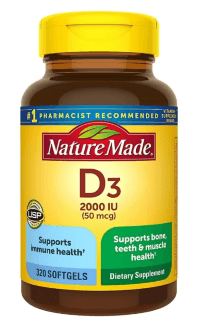
Nature Made Vitamin D3 2000 IU is one of the most widely used daily vitamin D supplements for supporting bone, muscle, and immune health. Many people use vitamin D supplements to help maintain healthy vitamin D levels year-round.
✔ Supports immune system health
✔ Helps maintain healthy vitamin D levels
✔ Supports bone and muscle function
✔ Easy once-daily softgel
👉 Looking for reliable daily vitamin D support?
2. Vitamin D3 + K2 Combination Supplements
Vitamin D3 + K2 formulas combine two nutrients commonly used together to help support calcium utilization, bone health, and cardiovascular wellness.
⭐ Editor’s Pick
Sports Research Vitamin D3 + K2
Best For: Bone Health & Nutrient Absorption Support
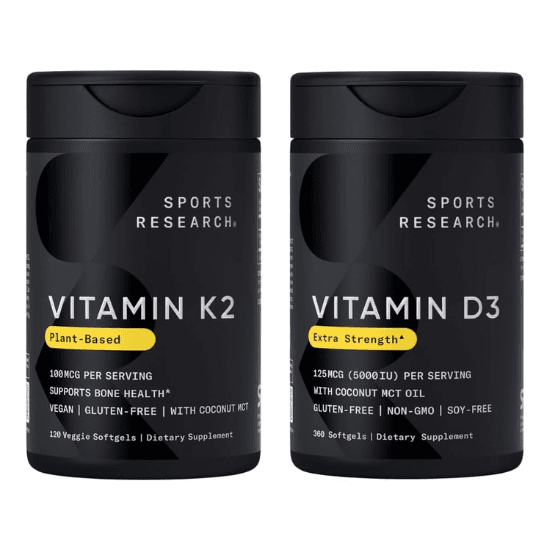
Sports Research D3 + K2 combines vitamin D3 with vitamin K2 in a convenient softgel formula. Many people prefer D3 + K2 combinations because the nutrients work together to support bone and wellness routines.
✔ Combines D3 with K2 support
✔ Helps support calcium balance
✔ Supports bone and immune wellness
✔ Convenient daily formula
👉 Want a more complete D3 wellness formula?
3. Liquid Vitamin Supplements
Liquid vitamin supplements are popular for people who prefer drops instead of capsules or tablets and want flexible daily dosing options.
⭐ Editor’s Pick
NOW Foods Liquid Vitamin D3
Best For: Flexible Dosing & Easy-to-Take Liquid Support
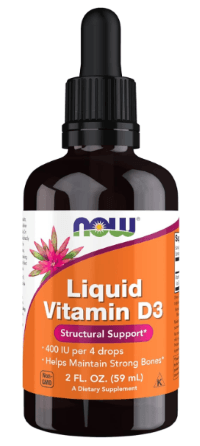
NOW Foods Liquid Vitamin D3 provides vitamin D in an easy-to-use liquid format. Liquid supplements are commonly used by people who prefer adjustable serving sizes or have difficulty swallowing capsules.
✔ Easy liquid-drop format
✔ Flexible daily dosing
✔ Convenient for travel or routines
✔ Supports daily vitamin D intake
👉 Prefer liquid vitamin drops instead of capsules?
FAQ
Is vitamin D good for energy?
If someone has low vitamin D status, improving levels may support better overall well-being and reduce fatigue in some cases. Results vary, and fatigue has many possible causes.
Is D3 better than D2?
Many shoppers prefer D3 because it is commonly used and widely recommended in supplements. Both forms exist, but D3 is often the more popular retail option.
Should I take vitamin D with food?
Many people take vitamin D with meals, especially meals containing some fat. Following label instructions is always wise.
Do I need K2 with vitamin D?
Not everyone uses K2, but some people prefer combo products for convenience or bone-health focused routines.
How much vitamin D should I take?
Needs vary by person, intake level, and lab status. Follow product guidance or healthcare advice rather than guessing high doses.
When to Seek Help
Talk with a healthcare professional before high doses or if you have:
- Medical conditions
- Kidney issues
- Calcium concerns
- Persistent fatigue
- Suspected deficiency
Want free practical tips for better energy, sleep, gut health, and healthy aging?
Join the Purely Vital Living newsletter and get science-backed wellness tips delivered to your inbox.
Final Summary
The best vitamin D supplements for energy and immunity are those that match your lifestyle, dosage needs, and consistency habits.
Top choices include:
- Vitamin D3 softgels for convenience
- D3 + K2 combos for streamlined support
- Liquid drops for flexibility
- Vegan D3 for plant-based lifestyles
- Higher-potency options when appropriate
Choose quality, use consistently, and combine supplements with sleep, movement, balanced nutrition, and sensible sunlight habits.
That combination usually delivers better long-term results than supplements alone.