Quick Answer
The best high-protein vegan snacks combine a meaningful source of plant protein with fiber or healthy fats. Practical options include roasted edamame, tofu or tempeh bites, roasted chickpeas, soy yogurt with hemp seeds, chia pudding, nuts and seeds, hummus with vegetables, and smoothies made with plant-based protein powder. Choose portions that fit your overall diet and check packaged snacks for protein, added sugar, sodium, and ingredient quality.
Key Takeaways
- Soy foods such as edamame, tofu, tempeh, and soy yogurt are among the most protein-dense whole-food vegan snack options.
- Pair protein with fiber and healthy fats to make snacks more satisfying and nutritionally balanced.
- Whole foods are generally the best foundation; bars and powders are convenient options rather than requirements.
- Check packaged snacks for protein per serving, added sugar, sodium, portion size, and ingredient quality.
- Daily protein needs vary with body size, age, activity, health, and training goals.
- Introduction
- Why Is Protein Important in a Vegan Diet?
- What Makes a Good High Protein Vegan Snack?
- 15 High Protein Vegan Snacks
- How Much Protein Do You Really Need?
- Can High Protein Vegan Snacks Help with Weight Management?
- Are Store-Bought Vegan Protein Snacks Healthy?
- Frequently Asked Questions
- Final Thoughts
Introduction
Finding healthy snacks that are both satisfying and nutritious can be challenging, especially if you follow a vegan lifestyle. Many packaged snacks are high in refined carbohydrates and added sugars but provide very little protein, leaving you hungry again soon after eating.
Protein plays an important role in muscle maintenance, tissue repair, hormone production, immune function, and appetite regulation. When paired with fiber and healthy fats, protein-rich snacks can help keep your energy levels stable throughout the day and reduce the temptation to reach for less nutritious options.
The good news is that getting enough protein on a plant-based diet is entirely possible. From legumes and soy products to nuts and seeds, many vegan foods naturally provide impressive amounts of protein while also delivering vitamins, minerals, antioxidants, and healthy fats.
Whether you’re looking for a post-workout snack, an afternoon energy boost, or something to keep you satisfied between meals, there are plenty of delicious plant-based choices available.
In this guide, you’ll discover 15 high protein vegan snacks, learn what makes a snack nutritionally balanced, and find practical tips for choosing options that fit your lifestyle. For complete meals that support steadier energy, see our best diet for energy guide.
Why Is Protein Important in a Vegan Diet?
Protein is one of the three essential macronutrients your body needs every day. It provides amino acids that help build and repair tissues while supporting countless biological functions.
For people following a vegan diet, meeting daily protein needs often requires more intentional food choices because animal products are excluded. Fortunately, many plant foods offer excellent protein content when consumed as part of a varied diet.
Supports Muscle Maintenance and Recovery
Protein supplies the building blocks necessary for maintaining muscle mass and repairing tissues after physical activity.
Whether you regularly lift weights, enjoy recreational sports, or simply want to stay active as you age, consuming adequate protein throughout the day supports normal muscle function and recovery.
Helps Keep You Full Longer
One of protein’s biggest advantages is its ability to promote satiety.
Compared with refined carbohydrates, protein-rich foods often slow digestion and may help reduce hunger between meals. This can make it easier to avoid unnecessary snacking and maintain healthier eating habits.
Supports Steady Energy
Choosing snacks that combine protein with fiber and healthy fats may help reduce rapid spikes and crashes in blood sugar levels.
Instead of experiencing a brief burst of energy followed by fatigue, balanced snacks often provide more sustained fuel for work, exercise, and daily activities.
Contributes to Overall Health
Protein also supports:
- Immune system function
- Enzyme production
- Hormone synthesis
- Healthy skin and hair
- Tissue repair and maintenance
Because protein serves so many essential roles, including adequate amounts in meals and snacks is an important part of a balanced diet.
What Makes a Good High Protein Vegan Snack?
Not every snack marketed as “healthy” offers meaningful nutritional value.
Some products contain only small amounts of protein while being loaded with added sugars, refined oils, or artificial ingredients.
A quality high protein vegan snack should provide more than just calories.
Adequate Protein
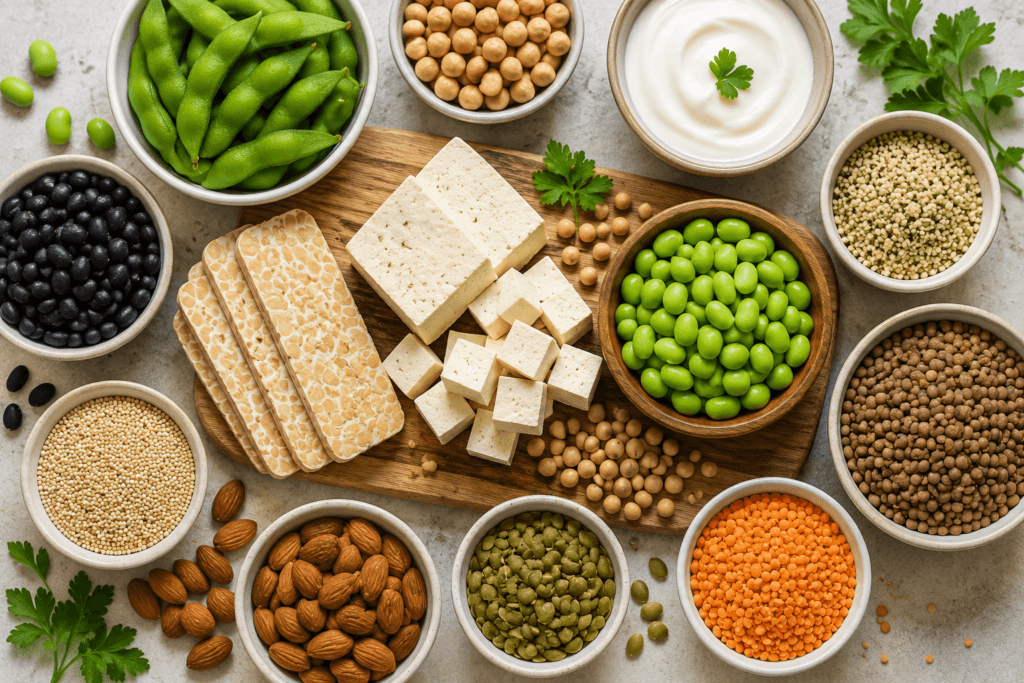
Aim for snacks that provide a meaningful amount of protein—typically around 8 to 15 grams per serving whenever possible.
Soy products, legumes, nuts, seeds, and plant-based protein powders are excellent sources.
Plenty of Fiber
Fiber supports digestive health while helping you stay full longer.
Many whole-food vegan snacks naturally combine protein and fiber, making them especially satisfying.
Healthy Fats
Nuts, seeds, and nut butters contain unsaturated fats that support heart health while contributing additional satiety.
Including healthy fats also improves the absorption of certain fat-soluble vitamins.
Minimal Added Sugar
Some vegan snack bars and cereals contain large amounts of sugar despite their healthy appearance.
Reading nutrition labels can help you choose products with less added sugar and more whole-food ingredients.
Simple Ingredient Lists
Generally, the fewer highly processed ingredients, the better.
Foods such as roasted chickpeas, tofu, edamame, or homemade energy balls often provide excellent nutrition without unnecessary additives.
Convenience
The best snack is one you’ll actually eat.
Keeping portable options available at work, in your car, or in your gym bag can help prevent less healthy impulse purchases.
15 High Protein Vegan Snacks
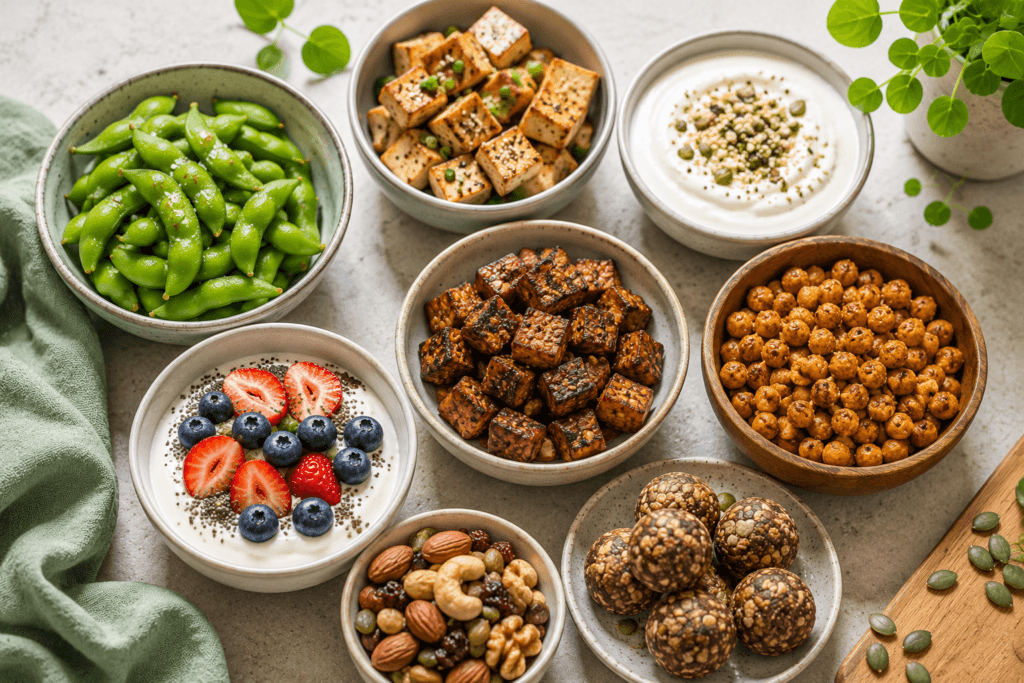
1. Roasted Edamame
Approximate protein: 14–18 grams per serving
Edamame, or young soybeans, is one of the richest natural plant protein sources available. When roasted, it becomes crunchy, portable, and ideal for on-the-go snacking.
In addition to protein, edamame provides fiber, folate, iron, potassium, and beneficial plant compounds.
Best for:
- Mid-morning snacks
- Travel
- Office desk snacks
- Post-workout recovery
Quick tip:
Buy dry-roasted edamame or roast frozen shelled edamame in the oven with olive oil and your favorite seasonings.
2. Roasted Chickpeas
Approximate protein: 6–8 grams per serving
Roasted chickpeas offer an enjoyable crunchy texture while delivering both protein and fiber.
They’re also rich in manganese, folate, and several important minerals that support overall health.
You can easily customize them with spices such as paprika, garlic powder, cumin, or chili seasoning for extra flavor.
Best for:
- Afternoon cravings
- Movie snacks
- Salad toppings
- Lunchbox additions
Quick tip:
Bake canned chickpeas until crispy and store them in an airtight container for several days.
3. Mixed Nuts and Pumpkin Seeds
Approximate protein: 8–10 grams per serving
Combining almonds, pistachios, walnuts, and pumpkin seeds creates a nutrient-dense snack packed with plant protein, healthy fats, magnesium, and antioxidants.
Pumpkin seeds are particularly notable for their high protein and zinc content.
Because nuts are calorie-dense, portion control remains important while still enjoying their many nutritional benefits.
Best for:
- Busy workdays
- Hiking
- Road trips
- Long meetings
Quick tip:
Prepare small snack bags in advance to avoid overeating.
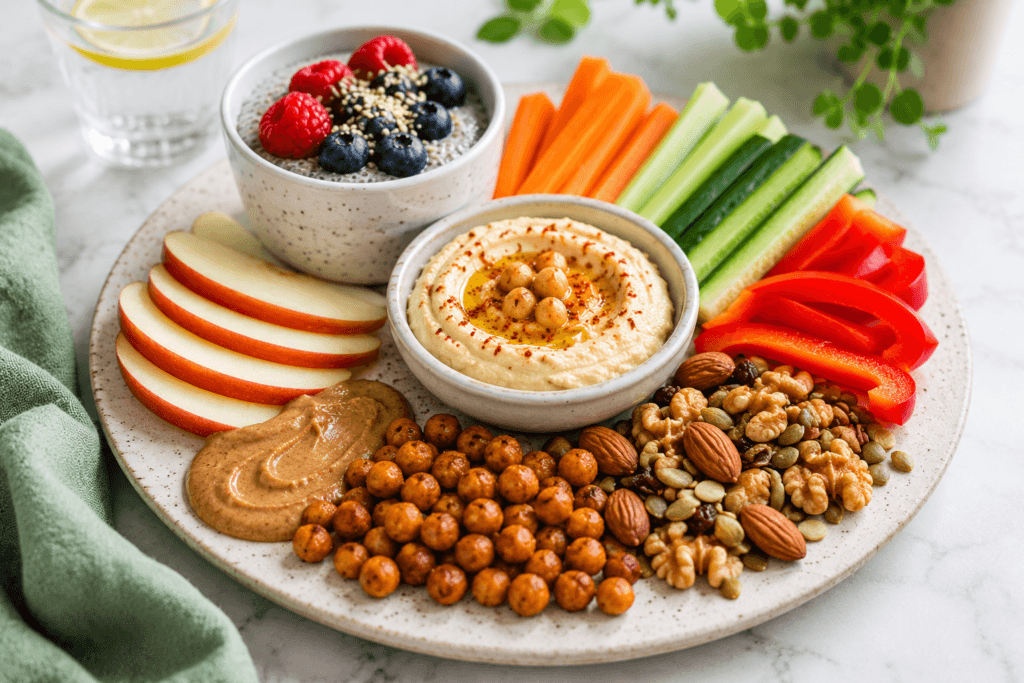
4. Peanut Butter with Apple Slices
Approximate protein: 8 grams per serving
This classic combination pairs natural sweetness with protein and healthy fats.
Apples provide fiber and vitamin C, while peanut butter contributes plant protein and monounsaturated fats that may increase fullness.
Choose natural peanut butter without added sugar or hydrogenated oils whenever possible.
Best for:
- Mid-afternoon energy
- Pre-workout fuel
- Family-friendly snacks
Quick tip:
Spread peanut butter directly onto apple slices or enjoy it as a dip.
5. Almond Butter on Whole Grain Toast
Approximate protein: 9–11 grams per serving
Whole grain bread adds complex carbohydrates and fiber, while almond butter contributes protein, vitamin E, magnesium, and healthy fats.
This snack offers balanced nutrition that can support sustained energy throughout busy mornings or afternoons.
For additional nutrients, top with sliced banana, hemp seeds, or cinnamon.
Best for:
- Breakfast
- Before exercise
- Quick office meals
Quick tip:
Choose 100% whole grain bread with minimal added sugars for the best nutritional value.
6. Chia Seed Pudding
Approximate protein: 8–10 grams per serving
Chia seeds may be tiny, but they are packed with nutrients. They provide plant protein, omega-3 fatty acids, fiber, calcium, and magnesium.
When soaked in soy milk overnight, chia seeds form a creamy pudding that makes an easy grab-and-go snack or breakfast.
Best for:
- Meal prep
- Breakfast
- Healthy desserts
Quick tip:
Top with fresh berries, chopped nuts, or unsweetened coconut flakes for extra flavor and texture.
7. Soy Yogurt with Hemp Seeds
Approximate protein: 10–15 grams per serving
Unsweetened soy yogurt is naturally one of the highest-protein dairy-free yogurt options. Adding hemp seeds boosts both protein and healthy fats.
Many fortified soy yogurts also provide calcium and vitamin D, making them a nutritious addition to a vegan diet.
Best for:
- Breakfast
- Post-workout snacks
- Afternoon hunger
Quick tip:
Add cinnamon and blueberries for extra antioxidants without much added sugar.
8. Seasoned Tofu Cubes
Approximate protein: 12–15 grams per serving
Tofu is one of the most versatile vegan protein sources available. Firm tofu can be baked or air-fried with simple seasonings to create a flavorful, protein-rich snack.
Because tofu is made from soybeans, it provides a complete protein containing all essential amino acids.
Best for:
- Meal prep
- Post-workout recovery
- Protein-rich snacking
Quick tip:
Marinate tofu in low-sodium soy sauce, garlic, and paprika before baking for extra flavor.
9. Homemade Trail Mix
Approximate protein: 8–10 grams per serving
A homemade trail mix made with almonds, pistachios, pumpkin seeds, sunflower seeds, and a small amount of dried fruit offers an excellent balance of protein, fiber, and healthy fats.
Unlike many store-bought versions, homemade mixes allow you to control added sugar and portion sizes.
Best for:
- Travel
- Office snacks
- Hiking
Quick tip:
Skip candy-coated ingredients and rely on nuts and seeds as the main components.
10. Homemade Energy Balls
Approximate protein: 6–9 grams per serving
Energy balls made with oats, peanut butter, flaxseed, chia seeds, and plant protein powder provide a convenient snack with balanced nutrition.
They’re easy to prepare in batches and freeze well for future use.
Best for:
- Busy mornings
- Pre-workout fuel
- Lunchboxes
Quick tip:
Use dates as a natural sweetener instead of refined sugar.
11. Hummus with Fresh Vegetables
Approximate protein: 6–8 grams per serving
Hummus, made primarily from chickpeas and tahini, offers both protein and fiber while pairing perfectly with crunchy vegetables.
Carrot sticks, cucumber slices, celery, and bell peppers all make excellent dipping options.
Best for:
- Office snacks
- Family gatherings
- Afternoon cravings
Quick tip:
Prepare vegetable containers ahead of time for quick access during the week.
12. Tempeh Bites
Approximate protein: 15–18 grams per serving
Tempeh is a fermented soybean product with an impressive protein content and firm texture.
Fermentation may also improve digestibility and adds a slightly nutty flavor that works well in both savory and spicy recipes.
Best for:
- Muscle recovery
- High-protein meal prep
- Evening snacks
Quick tip:
Pan-fry or air-fry small cubes with smoked paprika and garlic seasoning.
13. Protein Smoothie with Plant Protein Powder
Approximate protein: 20–30 grams per serving
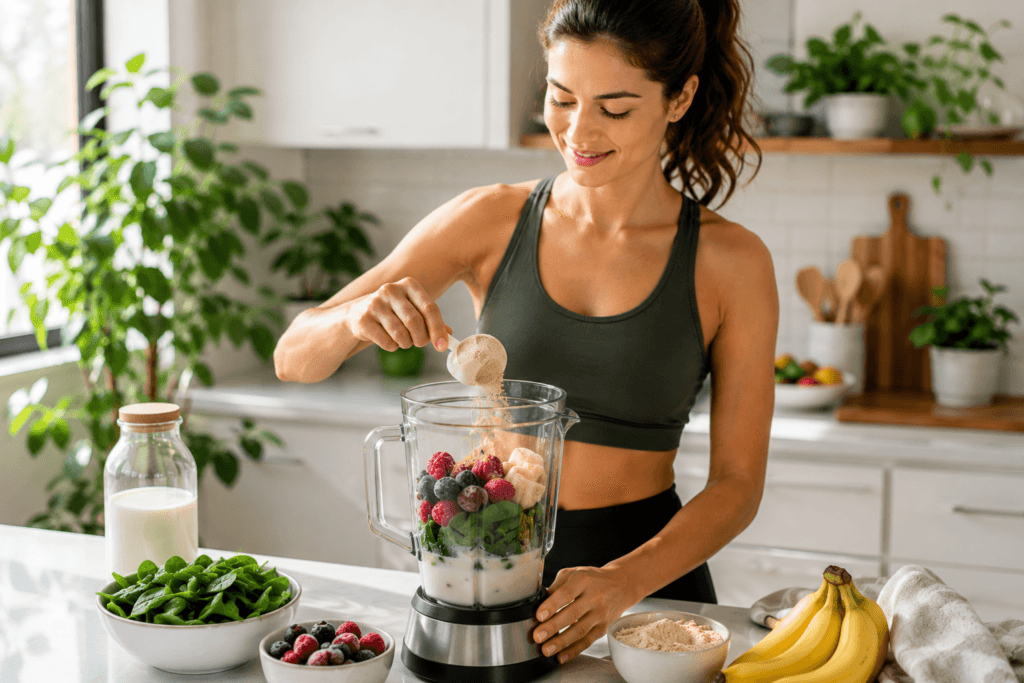
A smoothie blended with unsweetened soy milk, frozen berries, spinach, and a quality plant protein powder offers one of the easiest ways to increase daily protein intake.
It also provides vitamins, minerals, antioxidants, and hydration.
Best for:
- Breakfast replacement
- Post-workout recovery
- Busy schedules
Quick tip:
Freeze bananas in advance to create a thicker texture without adding ice cream or sweeteners.
14. Dry-Roasted Lentil Snacks
Approximate protein: 7–10 grams per serving
Crunchy roasted lentils have become increasingly popular as a portable alternative to potato chips.
They provide protein, fiber, iron, and complex carbohydrates while remaining relatively low in saturated fat.
Best for:
- Office snacking
- Travel
- Movie nights
Quick tip:
Look for products with minimal ingredients and moderate sodium levels.
15. Vegan Protein Bars
Approximate protein: 10–20 grams per bar
A well-formulated vegan protein bar can be a practical option when whole foods aren’t available.
However, quality varies significantly between brands. Some bars contain large amounts of added sugars and highly processed ingredients.
Best for:
- Travel
- Long workdays
- Emergency snacks
Quick tip:
Choose bars with recognizable ingredients, at least 10 grams of protein, and minimal added sugar.
How Much Protein Do You Really Need?
Protein needs vary based on age, body size, physical activity, and overall health.
The Recommended Dietary Allowance (RDA) for most healthy adults is approximately 0.8 grams of protein per kilogram of body weight per day. However, athletes, older adults, and highly active individuals may benefit from higher intakes under professional guidance.
Rather than consuming most of your protein at one meal, spreading protein intake throughout the day may help support muscle maintenance and satiety.
Whole foods should generally serve as the foundation of your diet, with supplements used only when needed.
Can High Protein Vegan Snacks Help with Weight Management?
High protein snacks may support weight management by increasing feelings of fullness and reducing the likelihood of overeating later in the day.
Combining protein with fiber-rich foods such as fruits, vegetables, legumes, or whole grains may further enhance satiety. These gut-healthy recipes offer additional ways to combine legumes, whole grains, vegetables, and fermented foods.
However, no single snack causes weight loss on its own.
Long-term success still depends on overall calorie balance, physical activity, sleep quality, stress management, and consistent healthy habits.
Are Store-Bought Vegan Protein Snacks Healthy?
Some packaged vegan snacks can be nutritious, while others are little more than processed desserts marketed as health foods.
Before purchasing, check the nutrition label and ingredient list.
Look for products that:
- Provide meaningful amounts of protein
- Contain whole-food ingredients
- Are relatively low in added sugars
- Avoid excessive sodium
- Limit artificial additives when possible
Whole-food snacks such as edamame, tofu, roasted chickpeas, and nuts often remain the best everyday choices.
Frequently Asked Questions
What vegan snack has the most protein?
Among whole foods, roasted edamame, tempeh, tofu, and soy-based products are some of the highest-protein vegan snack options. Protein smoothies made with plant protein powder can provide even more protein when needed.
Are vegan protein snacks good for weight loss?
They may help support weight management by promoting fullness and reducing hunger between meals, but they should be part of an overall balanced eating pattern.
Can you get enough protein from plant-based foods?
Yes. A well-planned vegan diet that includes legumes, soy products, nuts, seeds, whole grains, and other protein-rich foods can provide adequate protein for most healthy adults.
Are protein bars healthier than whole foods?
Not always. While some protein bars can be convenient, whole-food snacks generally provide more fiber and fewer processed ingredients.
What is a good vegan snack before a workout?
Bananas with peanut butter, almond butter on whole grain toast, protein smoothies, and homemade energy balls are all popular pre-workout options because they combine carbohydrates with protein.
🌱 Stay Energized with Simple Nutrition Tips
Looking for more practical ways to eat healthier and feel your best? Join the Purely Vital Living newsletter for evidence-based nutrition advice, healthy recipes, wellness guides, and simple lifestyle strategies delivered straight to your inbox.

Final Thoughts
Getting enough protein on a vegan diet doesn’t have to be complicated.
Simple foods like roasted edamame, tofu, chickpeas, soy yogurt, nuts, seeds, and lentils can provide impressive amounts of plant-based protein while also delivering fiber, healthy fats, vitamins, and minerals.
By choosing snacks that emphasize whole-food ingredients and balanced nutrition, you can support steady energy, muscle maintenance, and long-lasting satiety throughout the day.
Whether your goal is improving overall wellness, supporting an active lifestyle, or simply reducing hunger between meals, these 15 high protein vegan snacks offer delicious and practical options that fit into almost any routine.
Related Reads
- Best Diet for Energy: Foods That Help Prevent Energy Crashes
- How to Get More Energy Naturally: Complete Guide
- How to Lose Body Fat Naturally: The Ultimate Guide
- Best Wellness Supplements for Better Health
- Healthy Lifestyle Habits for Healthy Aging and Longevity
- 15 Healthy Spinach Recipes for Every Meal
- 15 Gut Healthy Recipes to Support Digestion Naturally