
Quick Answer
To lose body fat naturally, create a modest, sustainable calorie deficit while eating enough protein and fiber, strength training regularly, increasing daily movement, sleeping consistently, and managing stress. Fat loss cannot be targeted to one body area, and rapid scale changes often reflect water or muscle as well as fat. Aim for gradual progress that preserves muscle and can be maintained; seek professional guidance if you have a medical condition or a history of disordered eating.
Key Takeaways
- Body-fat loss requires a sustained energy deficit, but extreme restriction is unnecessary and difficult to maintain.
- Protein, fiber-rich foods, strength training, and daily movement help support fullness, fitness, and muscle retention.
- You cannot choose where fat comes off first; spot-reduction exercises do not selectively burn belly or face fat.
- Sleep, stress, medications, health conditions, and recovery can influence appetite, activity, and progress.
- Track trends in waist measurements, strength, habits, and clothing fit—not only daily scale changes.
- Introduction
- What Does It Mean to Lose Body Fat?
- How Body Fat Is Actually Lost
- Nutrition Strategies That Help You Lose Body Fat
- Exercise Strategies for Fat Loss
- Best Exercise for Fat Loss
- Fat Loss Exercises That Burn Calories
- Walking and Daily Movement
- HIIT vs. Moderate Cardio
- What Exercise Burns the Most Belly Fat?
- Sleep and Stress Matter More Than You Think
- Intermittent Fasting and Body Fat
- Common Mistakes
- Hidden Habits That Slow Fat Loss
- How to Lower Body Fat Percentage Naturally
- How to Fix Fat Loss Without Overwhelm
- 7-Day Body Fat Reset Plan
- How Long Does Fat Loss Take?
- What to Expect After 30 Days
- Best Products to Consider
- Frequently Asked Questions
- When Should You Speak With a Healthcare Professional?
- Final Summary
Introduction
Many people begin a weight-loss journey hoping to see the number on the scale drop as quickly as possible. However, losing weight and losing body fat are not always the same thing.
The scale measures everything in your body—including muscle, water, glycogen stores, and body fat. Rapid weight loss from restrictive diets may reduce water and muscle mass instead of targeting excess fat. This is one reason many people regain the weight they lose within months.
Learning how to lose body fat focuses on improving body composition rather than simply reducing body weight. The goal is to lower excess fat while maintaining or even building lean muscle, which supports metabolism, strength, mobility, and long-term health.
Another common misconception is that there is a magic food, supplement, or workout that melts fat overnight. In reality, successful fat loss is usually the result of many small habits practiced consistently over time. Nutrition, physical activity, sleep quality, stress management, hydration, and daily movement all work together to influence your body’s ability to burn stored fat.
The good news is that you do not need perfection. You do not need to eliminate entire food groups or spend hours in the gym every day. Instead, understanding the science behind fat loss can help you make realistic choices that fit your lifestyle and become easier to maintain.
In this guide, you’ll learn what body fat is, how your body burns it, the role of nutrition and exercise, and practical strategies that may help you achieve sustainable results naturally.
What Does It Mean to Lose Body Fat?
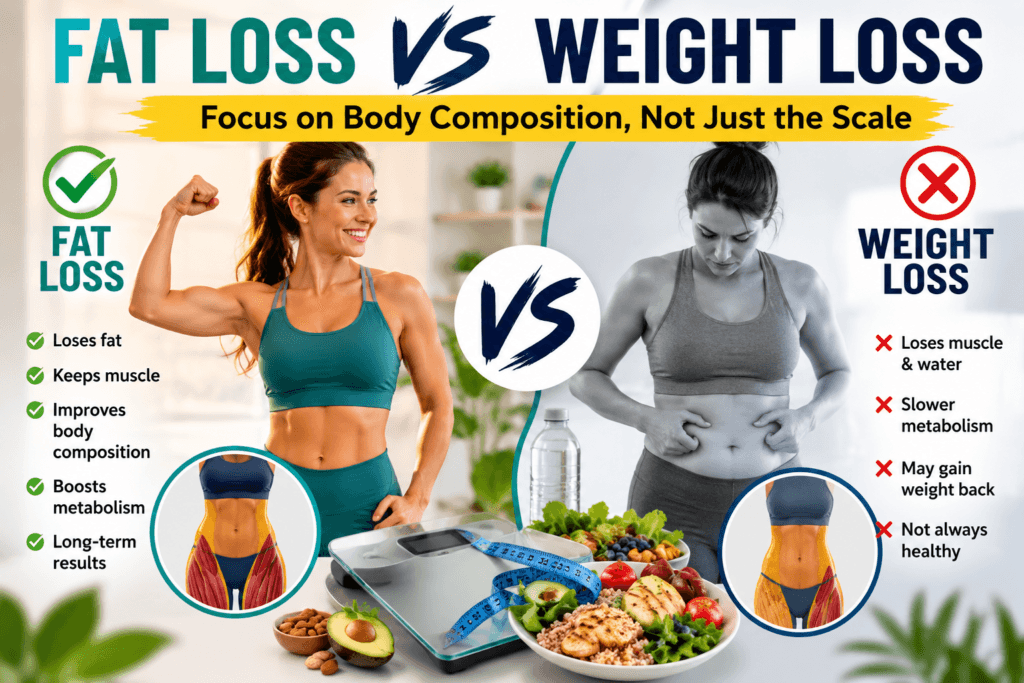
Fat Loss vs. Weight Loss
Although the terms are often used interchangeably, fat loss and weight loss describe different processes.
Weight loss refers to any reduction in total body weight. This could include:
- Body fat
- Muscle tissue
- Water
- Glycogen stores
- Digestive contents
Fat loss specifically means reducing stored body fat while preserving as much lean muscle as possible.
For example, two people may each lose 10 pounds. One may lose mostly fat through balanced nutrition and strength training, while the other loses a significant amount of muscle and water from crash dieting. Even though the scale shows the same number, their health outcomes and body composition are very different.
Focusing on fat loss instead of simply chasing a lower body weight often leads to better physical function, improved metabolism, and a healthier appearance.
Why Body Fat Percentage Matters
Body fat percentage estimates how much of your total body weight comes from fat tissue.
While no single number defines health, maintaining an appropriate body fat level may support:
- Better insulin sensitivity
- Improved mobility
- Cardiovascular health
- Hormonal balance
- Physical performance
- Healthy aging
Instead of obsessing over daily scale fluctuations, tracking waist circumference, progress photos, clothing fit, or body composition measurements may provide a clearer picture of long-term progress.
How Your Body Uses Stored Fat for Energy
Your body constantly needs energy to perform basic functions like breathing, circulating blood, repairing tissues, and supporting movement.
When energy intake from food is lower than energy expenditure over time, the body begins using stored energy reserves—including body fat—to help meet those needs.
Stored triglycerides inside fat cells are broken down into fatty acids and glycerol, which can then be used by tissues for fuel.
This natural process occurs gradually and is influenced by many factors including nutrition, physical activity, hormones, sleep quality, stress levels, and overall health.
How Body Fat Is Actually Lost
Energy Balance Explained
One of the fundamental concepts behind fat loss is energy balance.
Every day your body burns calories through:
- Basic metabolism
- Digestion
- Daily movement
- Structured exercise
When calorie intake consistently exceeds calorie expenditure, excess energy may be stored as body fat.
When calorie intake is modestly below expenditure, the body may begin using stored fat to make up the difference.
This is commonly called a calorie deficit.
However, creating an extreme deficit is rarely necessary and may actually make long-term success more difficult by increasing hunger, fatigue, and muscle loss.
Moderate, sustainable changes generally produce better results.
Calories In vs. Calories Out
The phrase “calories in versus calories out” is often simplified online, but the reality is more complex.
While total energy balance remains important, many factors influence both sides of the equation, including:
- Appetite hormones
- Sleep quality
- Stress
- Muscle mass
- Physical activity
- Food choices
- Medical conditions
- Certain medications
For example, someone who consistently sleeps poorly may experience stronger hunger signals and reduced motivation to exercise, making it harder to maintain healthy habits.
Rather than obsessively counting every calorie forever, many people benefit from learning portion awareness and choosing nutrient-dense foods that naturally improve satiety.
Metabolism and Fat Burning
Metabolism refers to all of the chemical processes that keep your body alive.
Your metabolic rate is affected by:
- Age
- Genetics
- Body size
- Muscle mass
- Hormonal status
- Physical activity
People often worry that they have a “slow metabolism,” but differences between individuals are usually smaller than many assume.
Building and maintaining muscle through resistance training may modestly increase resting energy expenditure while improving physical function.
The biggest impact usually comes from consistent lifestyle habits rather than trying to “boost metabolism” with supplements or detox products.
Why Crash Diets Often Backfire
Extreme dieting may produce rapid weight loss initially, but much of the early reduction often comes from water and glycogen rather than body fat.
Crash diets may also lead to:
- Increased hunger
- Lower energy
- Muscle loss
- Reduced exercise performance
- Poor adherence
- Weight regain after stopping
Many people enter a cycle of repeatedly losing and regaining weight because their plan is too restrictive to maintain.
A better approach is creating habits you could realistically continue for months or years rather than weeks.
Nutrition Strategies That Help You Lose Body Fat
Prioritize Protein
Protein is one of the most important nutrients during a fat-loss journey.
Adequate protein intake may help:
- Preserve lean muscle
- Increase fullness after meals
- Support recovery from exercise
- Reduce overeating
Excellent protein sources include:
- Chicken breast
- Fish
- Greek yogurt
- Eggs
- Cottage cheese
- Beans
- Lentils
- Tofu
- Lean beef
For example, replacing a sugary breakfast pastry with Greek yogurt and berries may help keep you satisfied for longer while providing valuable nutrients.
The goal isn’t perfection but making protein a regular part of each meal. For convenient plant-based options, see these high-protein vegan snack ideas.
Increase Fiber Intake
Fiber-rich foods slow digestion and may improve satiety, making it easier to maintain a calorie deficit naturally.
High-fiber foods include:
- Vegetables
- Fruits
- Oats
- Beans
- Lentils
- Whole grains
- Chia seeds
- Flaxseeds
Many adults consume less fiber than recommended.
Adding an extra serving of vegetables to lunch and dinner or choosing fruit instead of dessert can significantly increase daily intake without feeling restrictive.
Fiber also supports digestive health and may benefit the gut microbiome.
Eat Mostly Whole Foods
Whole foods generally contain more nutrients and fewer highly processed ingredients.
Meals centered around lean protein, vegetables, fruit, legumes, nuts, seeds, and minimally processed grains often provide greater satisfaction than foods high in added sugar and refined starches.
This doesn’t mean favorite treats must disappear forever.
Instead, building most meals around nutritious foods creates flexibility while helping control total calorie intake.
The “80/20 approach,” where nutritious choices make up the majority of intake while allowing occasional indulgences, may improve long-term adherence.
Reduce Sugary Drinks
Calories from beverages are easy to overlook.
Regular consumption of:
- Soda
- Sweetened coffee drinks
- Energy drinks
- Sweet tea
- Fruit-flavored beverages
can add hundreds of calories per day without creating much fullness.
Replacing sugary drinks with water, sparkling water, or unsweetened tea is one of the simplest habits that may support body fat reduction.
Small substitutions repeated every day can produce meaningful changes over time.
Stay Hydrated
Hydration supports many normal bodily functions, including physical performance and temperature regulation.
Some people also mistake thirst for hunger, leading to unnecessary snacking.
Keeping a reusable water bottle nearby and drinking consistently throughout the day may help support healthier eating patterns.
Water also replaces high-calorie beverages without adding extra calories.
Watch Portion Sizes
Even nutritious foods contain calories.
Large portions of healthy foods such as nuts, peanut butter, oils, and dried fruit can contribute substantial energy intake if consumed mindlessly.
Practical strategies include:
- Using smaller plates
- Eating slowly
- Serving meals in the kitchen instead of family style
- Paying attention to hunger and fullness cues
Learning portion awareness can often produce better results than eliminating favorite foods altogether.
Build Sustainable Eating Habits
Perhaps the most important nutrition strategy is choosing habits you can realistically maintain.
Short-term diets often fail because they demand unrealistic levels of restriction.
Instead, aim to create routines that fit your everyday life:
- Meal planning
- Grocery shopping with a list
- Cooking more often
- Keeping healthy snacks available
- Allowing flexibility for celebrations
The best nutrition plan is usually the one you can follow consistently for years—not just a few weeks.
Exercise Strategies for Fat Loss
Exercise complements nutrition by increasing energy expenditure while supporting muscle preservation and overall health.
Importantly, no single workout can target fat loss from one specific body area. Spot reduction remains a common myth. Instead, your body loses fat according to genetics, hormones, and overall energy balance.
Why Strength Training Matters
Strength training is one of the most valuable forms of exercise during fat loss.
Resistance exercises challenge muscles to adapt, helping preserve lean tissue while reducing body fat.
Examples include:
- Squats
- Push-ups
- Deadlifts
- Rows
- Lunges
- Dumbbell presses
Maintaining muscle is especially important because muscle supports strength, functional movement, and healthy aging.
Even two or three full-body sessions each week may provide meaningful benefits when performed consistently.
Best Exercise for Fat Loss
There is no single “perfect” exercise for everyone, but the best exercise for fat loss is the one you can perform consistently while enjoying enough to make it part of your lifestyle.
A balanced routine often includes:
- Strength training two to four times per week
- Moderate-intensity cardio such as brisk walking or cycling
- Daily movement outside of structured workouts
- Flexibility and mobility exercises
Resistance training helps preserve muscle during a calorie deficit, while cardio increases calorie expenditure and supports cardiovascular health. Combining both approaches typically provides better overall results than relying on only one form of exercise.
For beginners, consistency matters far more than intensity. A 30-minute walk performed every day often contributes more to long-term success than an exhausting workout that leaves you unable to exercise again for a week.
Fat Loss Exercises That Burn Calories
Many exercises can support healthy body fat reduction by increasing energy expenditure and improving fitness.
Popular options include:
- Brisk walking
- Jogging
- Cycling
- Swimming
- Rowing
- Stair climbing
- Circuit training
- Kettlebell workouts
- Bodyweight exercises
- Strength training
The best choice depends on your fitness level, preferences, and physical limitations.
Someone with knee pain may benefit from swimming or cycling, while another person may enjoy hiking or resistance training. Finding activities you genuinely enjoy increases the likelihood that you’ll stay active over the long term.
Walking and Daily Movement
One of the most overlooked strategies for reducing body fat is simply moving more throughout the day.
Daily activities such as:
- Walking the dog
- Taking the stairs
- Gardening
- Housework
- Standing more often
- Parking farther away
all contribute to non-exercise activity thermogenesis (NEAT), which can significantly increase daily calorie expenditure.
For many people, gradually increasing daily steps from their current baseline may provide meaningful benefits without requiring intense exercise sessions. Our daily steps for weight loss guide explains why the right target depends on your starting point, health, and routine.
Walking is also accessible, inexpensive, and suitable for many age groups and fitness levels.

HIIT vs. Moderate Cardio
High-intensity interval training (HIIT) alternates short bursts of intense activity with recovery periods.
Moderate-intensity cardio involves maintaining a comfortable pace for longer periods.
Both methods can support fat loss.
HIIT may improve fitness in less time but can be physically demanding and may not be appropriate for beginners or individuals with certain health conditions.
Moderate cardio is often easier to recover from and may encourage better long-term adherence.
Rather than choosing one over the other, many people benefit from combining different training styles throughout the week.
What Exercise Burns the Most Belly Fat?
A common question is whether specific exercises can target belly fat.
Current evidence suggests that spot reduction is not possible. Exercises like crunches strengthen abdominal muscles but do not selectively burn fat from the stomach.
Instead, overall body fat reduction through nutrition, physical activity, and sustainable lifestyle changes gradually reduces fat stores throughout the body—including the abdominal area.
The most effective strategy combines:
- A modest calorie deficit
- Regular strength training
- Cardiovascular exercise
- Adequate protein
- Good sleep
- Stress management

Sleep and Stress Matter More Than You Think
Poor Sleep and Hunger Hormones
Sleep plays an important role in appetite regulation and energy balance.
Inadequate sleep may affect hormones involved in hunger and fullness, making it easier to overeat or crave highly processed foods.
Many people also experience reduced motivation for exercise after poor-quality sleep, creating a cycle that can make fat loss more challenging.
Prioritizing seven to nine hours of quality sleep each night may support healthier eating behaviors and overall wellness.
Cortisol and Fat Storage
Stress itself does not automatically cause body fat gain, but chronic stress may influence eating behaviors and recovery.
Some individuals respond to ongoing stress by consuming more calorie-dense comfort foods or reducing physical activity.
Stress management techniques such as mindfulness, walking, deep breathing, journaling, or spending time outdoors may help support healthier daily habits.
The goal is not eliminating stress completely but learning healthier ways to respond to it.
Recovery Supports Fat Loss
Recovery often receives less attention than workouts, yet it is essential for long-term progress.
Recovery includes:
- Sleep
- Rest days
- Hydration
- Adequate protein
- Stretching
- Stress reduction
Training hard without proper recovery may increase fatigue and reduce consistency.
Listening to your body and allowing sufficient recovery supports both performance and sustainable fat-loss efforts.

Intermittent Fasting and Body Fat
Is Fasting Good for Weight Loss?
Intermittent fasting is an eating pattern that alternates between periods of eating and fasting.
Some people find it helpful because limiting eating windows naturally reduces calorie intake without requiring detailed calorie counting.
However, fasting is not inherently superior to other dietary approaches.
The best method is the one that helps you maintain a sustainable calorie deficit while meeting your nutritional needs.
Intermittent Fasting and Belly Fat
Research suggests that intermittent fasting may support body fat reduction for some individuals when combined with appropriate food choices and overall calorie control.
However, fasting does not specifically target belly fat.
Abdominal fat tends to decrease as overall body fat declines through consistent lifestyle habits.
People who overeat during eating windows may see little benefit despite fasting for many hours.
Potential Benefits
Some potential advantages include:
- Simpler meal planning
- Reduced snacking opportunities
- Easier calorie control
- Flexible scheduling for some lifestyles
Many people appreciate the structure that fasting provides, while others prefer traditional meal timing.
Common Mistakes
Frequent mistakes include:
- Overeating after fasting
- Choosing highly processed foods
- Neglecting protein intake
- Inadequate hydration
- Skipping exercise
Successful fasting still depends on overall nutrition quality and sustainable habits.
Who Should Avoid Fasting
Intermittent fasting is not appropriate for everyone.
Pregnant individuals, growing adolescents, people with certain medical conditions, or those with a history of eating disorders should speak with a qualified healthcare professional before beginning a fasting regimen.
Hidden Habits That Slow Fat Loss
Many people work hard yet unknowingly sabotage their progress through everyday behaviors.
Common examples include:
- Sitting for long periods
- Drinking sugary beverages
- Frequent restaurant meals with oversized portions
- Weekend overeating that offsets weekday deficits
- Poor sleep habits
- Chronic unmanaged stress
- Inconsistent exercise routines
Improving just one or two of these habits can create meaningful long-term improvements.
Rather than searching for secret fat-burning tricks, identify the behaviors you repeat every day and focus on making small, sustainable changes.
How to Lower Body Fat Percentage Naturally
Reducing body fat percentage involves improving body composition—not simply lowering body weight.
Helpful strategies include:
Build Lean Muscle
Strength training combined with adequate protein supports muscle maintenance during weight loss.
Increase Daily Activity
Look for opportunities to walk more, stand more, and reduce prolonged sitting.
Eat Enough Protein
Protein supports fullness and helps preserve muscle while reducing calories.
Improve Recovery
Quality sleep and stress management influence appetite, exercise performance, and consistency.
Track More Than the Scale
Progress photos, waist measurements, fitness improvements, and clothing fit often reveal positive changes before the scale does.
How to Fix Fat Loss Without Overwhelm
Many people fail because they try to change everything at once.
Instead, focus on one habit at a time.
For example:
Week 1:
Replace sugary drinks with water.
Week 2:
Walk 30 minutes daily.
Week 3:
Add strength training twice weekly.
Week 4:
Increase vegetables and protein.
These manageable adjustments are often easier to maintain than highly restrictive diets.
Remember that consistency—not perfection—is usually the strongest predictor of long-term success.
7-Day Body Fat Reset Plan
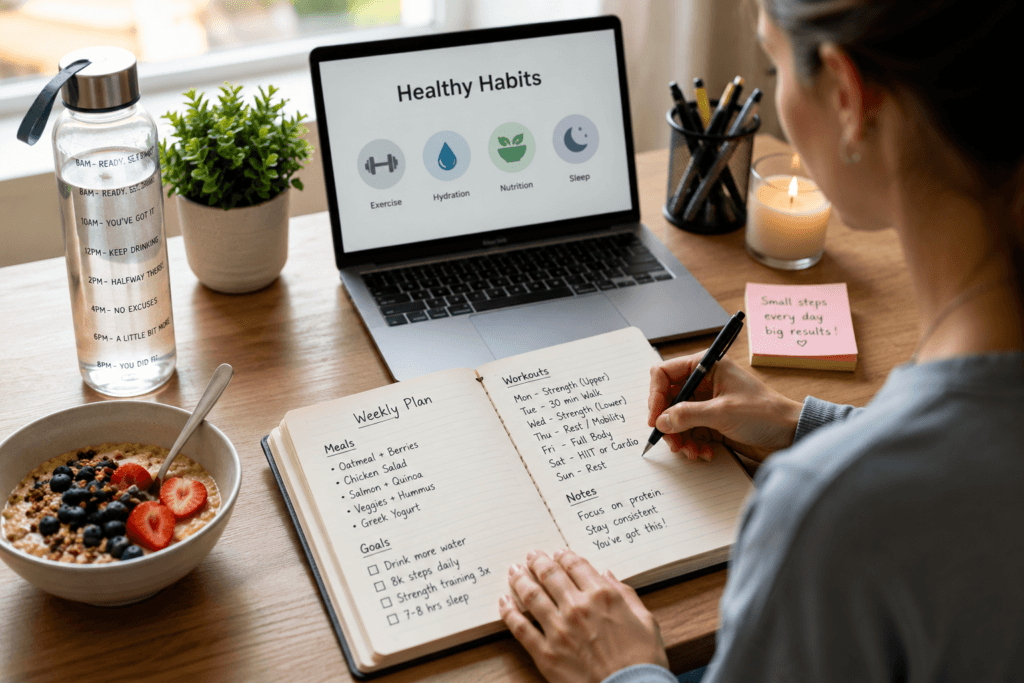
Day 1: Track your protein intake.
Day 2: Add a realistic walk or increase your usual step count.
Day 3: Complete a full-body strength workout.
Day 4: Prioritize seven to nine hours of sleep.
Day 5: Replace sugary beverages with water.
Day 6: Add an extra serving of vegetables and fiber-rich foods.
Day 7: Review your progress and plan the upcoming week.
The purpose of this reset is not rapid transformation but building sustainable habits that can continue long after the first seven days.
How Long Does Fat Loss Take?
Healthy fat loss rarely happens overnight.
For many adults, gradual progress is more realistic and sustainable than dramatic changes.
Results depend on numerous factors including:
- Starting body composition
- Nutrition
- Physical activity
- Sleep
- Age
- Medical conditions
- Consistency
Plateaus are also normal and do not necessarily indicate failure.
Maintaining healthy habits during slower periods often leads to continued long-term improvements.
What to Expect After 30 Days
After one month of consistently following healthy habits, many people may notice:
- Better energy levels
- Improved workout performance
- Healthier eating patterns
- Better sleep quality
- Reduced cravings
- Slight reductions in waist circumference
- Greater confidence in maintaining healthy routines
Visible body fat changes vary considerably between individuals, but building sustainable habits during the first month lays the foundation for continued progress.
Best Products to Consider
Protein Support Supplements
A quality protein supplement may help individuals increase daily protein intake when whole-food options are not practical. Protein powders can be useful after workouts or as part of balanced meals to support muscle maintenance and satiety.
Best for: Supporting protein intake during fat-loss efforts.
⭐ Editor’s Pick
Transparent Labs Grass-Fed Whey Protein Isolate
Best For: Clean Protein & Muscle Maintenance During Fat Loss
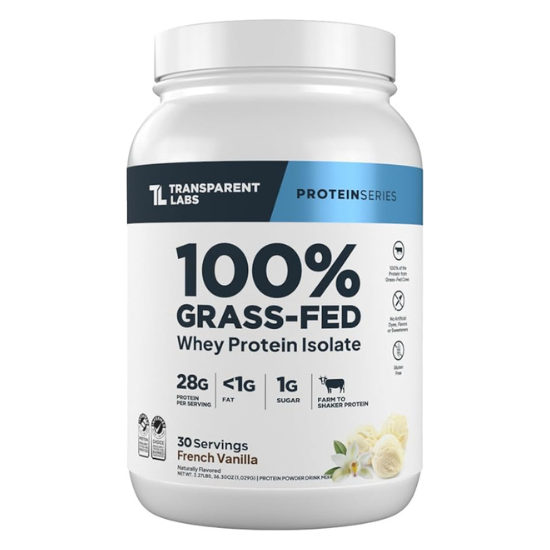
Transparent Labs Grass-Fed Whey Protein Isolate provides high-quality protein with minimal added ingredients, making it an excellent option for supporting muscle recovery and preserving lean body mass while reducing body fat. It mixes easily into smoothies or post-workout shakes and complements a balanced diet.
✔ High-quality grass-fed whey protein isolate
✔ Supports muscle recovery and maintenance
✔ Low in sugar and unnecessary fillers
✔ Mixes easily into shakes and smoothies
👉 Looking for an easy way to increase your daily protein intake?
Smart Health Devices
Fitness trackers and smart watches can monitor daily steps, heart rate, activity levels, and sleep patterns. These metrics may help reinforce healthy behaviors and encourage greater consistency over time.
Best for: Tracking movement and recovery.
⭐ Editor’s Pick
Fitbit Charge 6
Best For: Daily Activity & Healthy Habit Tracking
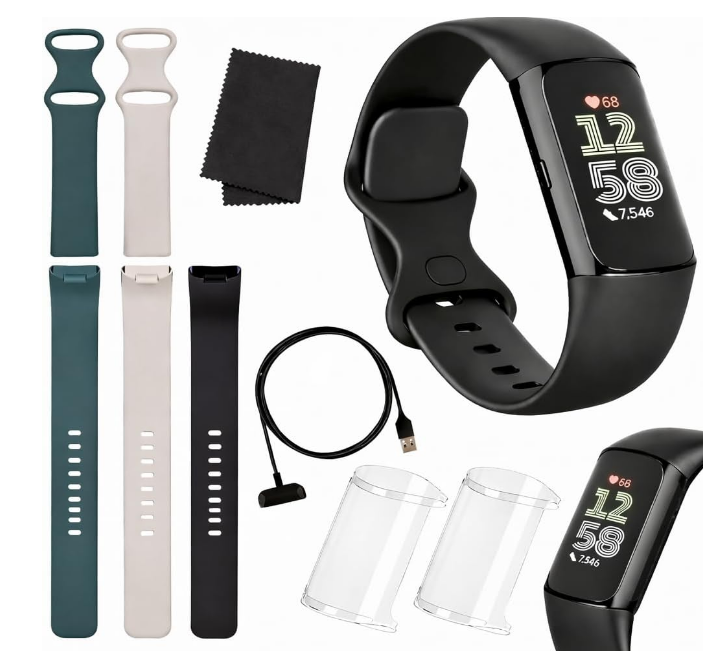
Fitbit Charge 6 tracks steps, heart rate, calories burned, sleep quality, and workouts in one compact wearable device. Monitoring these metrics can help users stay accountable to movement goals and better understand the habits that influence long-term body composition.
✔ Tracks steps and calories burned
✔ Monitors heart rate and sleep quality
✔ Supports workout and activity tracking
✔ Helps reinforce consistent healthy habits
👉 Want better insight into your daily activity and recovery?
Home Workout Equipment
Adjustable dumbbells, resistance bands, or compact home gym equipment make it easier to perform regular strength training without traveling to a fitness facility.
Best for: Convenient resistance training at home.
⭐ Editor’s Pick
Bowflex SelectTech 552 Adjustable Dumbbell
Best For: Full-Body Strength Training at Home
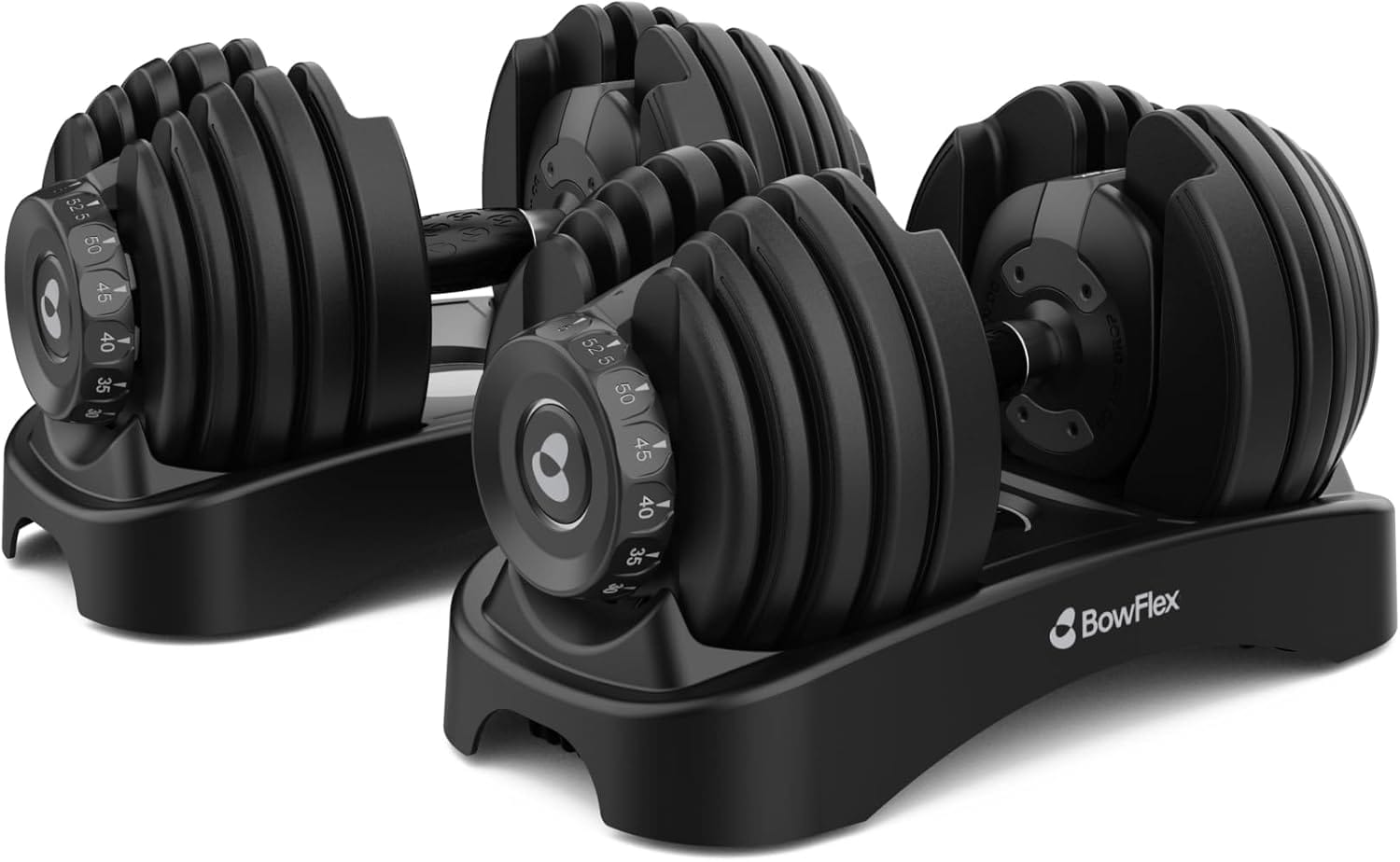
The Bowflex SelectTech 552 Adjustable Dumbbells replace multiple sets of weights with a single adjustable system, making home workouts more convenient and space efficient. Regular strength training can help preserve lean muscle while supporting healthy body fat reduction.
✔ Adjustable weight settings in one compact design
✔ Suitable for beginner and advanced workouts
✔ Supports full-body resistance training
✔ Saves space compared with multiple dumbbell sets
👉 Ready to build strength from home?
Frequently Asked Questions
How do I lose body fat naturally?
Focus on creating a modest calorie deficit through balanced nutrition while incorporating strength training, daily movement, adequate sleep, stress management, and consistent healthy habits.
How long does fat loss take?
Progress varies, but sustainable body fat reduction generally occurs gradually over weeks and months rather than days.
What is the best exercise for fat loss?
There is no single best exercise. Combining strength training, cardiovascular activity, and increased daily movement often provides the greatest overall benefits.
Is intermittent fasting necessary?
No. Some people find intermittent fasting helpful, but it is only one of many dietary strategies that may support calorie control and fat loss.
Can I lose body fat without going to the gym?
Yes. Walking, bodyweight exercises, resistance bands, and home workouts can all contribute to healthy body fat reduction when combined with balanced nutrition.
Does sleep affect body fat?
Poor sleep may influence appetite, recovery, and food choices, making it more difficult to maintain healthy habits over time.
How can I lower my body fat percentage safely?
Aim for gradual progress through nutritious eating, resistance training, regular activity, and sustainable lifestyle changes rather than extreme diets.
When Should You Speak With a Healthcare Professional?
Consider consulting a qualified healthcare professional if you experience:
- Unexplained weight changes
- Persistent fatigue
- Symptoms of thyroid disease
- Suspected hormonal disorders
- Diabetes or prediabetes concerns
- A history of eating disorders
- Difficulty losing weight despite consistent healthy habits
Personalized medical evaluation can help identify underlying factors that may influence body composition and overall health.
Want free practical tips for better weight management, energy, sleep, gut health, and healthy aging?
Join the Purely Vital Living newsletter and receive evidence-informed wellness guidance, healthy habit ideas, and new articles delivered straight to your inbox.
Final Summary
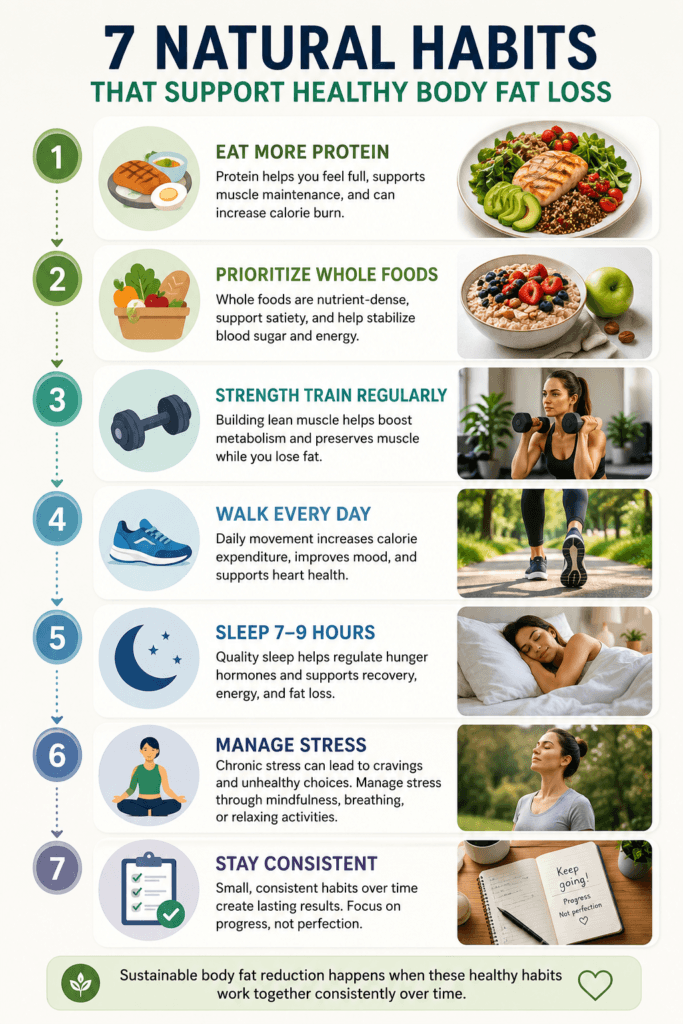
Learning how to lose body fat is about far more than eating less or exercising harder. Sustainable fat loss typically comes from building healthy habits that work together over time.
Prioritizing protein-rich whole foods, staying physically active, incorporating strength training, improving sleep, managing stress, and maintaining a modest calorie deficit may all support healthier body composition while preserving muscle and overall well-being.
Progress is rarely linear, and quick fixes often fail to produce lasting results. Instead of chasing dramatic transformations, focus on small improvements that you can maintain consistently.
By developing realistic routines and staying patient, you can create a lifestyle that supports long-term health, improved fitness, and sustainable body fat reduction.
Related Reads
- 5 Effective Ways to Lose Weight Fast Naturally
- Why Am I Tired All the Time?
- Best Diet for Energy: Foods That Help Prevent Energy Crashes
- How to Improve Sleep Quality Naturally: Complete Sleep Guide
- Best Supplements for Digestive Health: The Complete Guide (2026)
- How Many Steps a Day to Lose Weight? Complete Guide
- How to Lose Face Fat Naturally: What Actually Works?