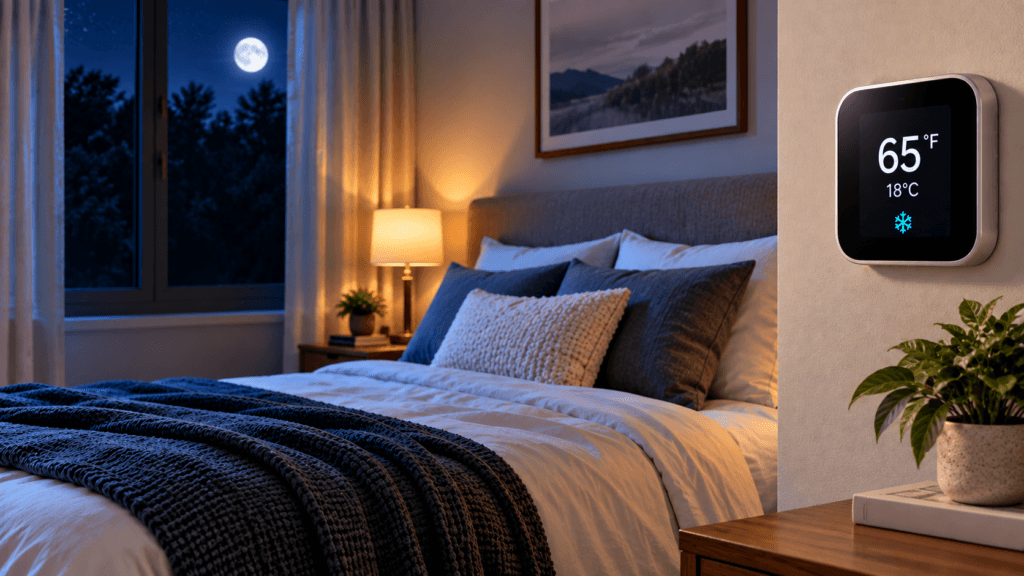
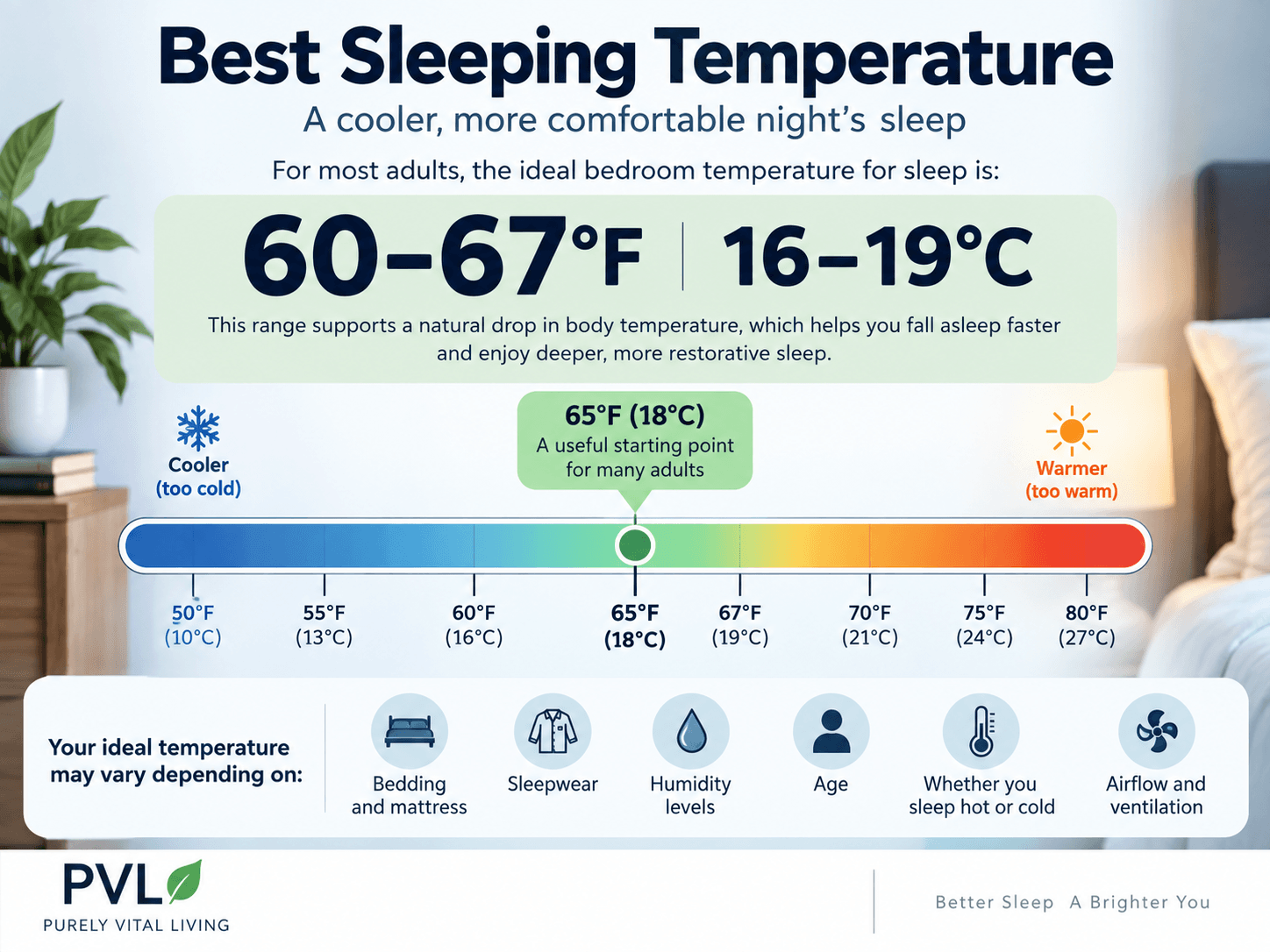
The best sleeping temperature for many adults is roughly 60–67°F (16–19°C). Around 65°F (18°C) is a useful starting point, not a universal rule. Your ideal setting can shift with bedding, sleepwear, humidity, age, airflow, and whether you naturally sleep hot or cold.
- 60–67°F (16–19°C) is a practical starting range for many adults.
- 65°F (18°C) is a reference point, not a requirement.
- Bedding, humidity, airflow and the bed microclimate can matter as much as the thermostat.
- Hot and cold sleepers may need different combinations of room temperature and bedding.
- Make small changes and judge the result by comfort and sleep continuity.
A cool bedroom can support the natural drop in body temperature that occurs as your body prepares for sleep. But simply setting the thermostat to 65°F does not guarantee better sleep. The temperature inside your bed, the amount of insulation around your body, airflow, and humidity can all change how warm or cool you actually feel.
This guide explains why temperature matters for sleep and, more importantly, how to find a temperature that works for you rather than treating one thermostat setting as a universal rule.
- What Is the Best Temperature for Sleeping?
- Why Does Temperature Affect Sleep?
- Best Sleeping Temperature for Hot Sleepers
- Best Sleeping Temperature for Cold Sleepers
- Room Temperature vs. Bed Temperature
- How to Cool Your Bedroom Without Making It Too Cold
- How to Find Your Personal Best Sleeping Temperature
- Frequently Asked Questions
- The Bottom Line
- Related Reads
- References
What Is the Best Temperature for Sleeping?
For many adults, roughly 60–67°F (16–19°C) is a practical starting range. Cleveland Clinic recommends 60–67°F for adults, while CDC/NIOSH guidance describes about 65–68°F as comfortably cool for most people. A setting near 65°F (18°C) is therefore a useful starting point, but individual comfort varies.
| Sleeper or situation | Starting point | What to adjust |
|---|---|---|
| Average adult | 65–67°F | Adjust 1–2°F at a time |
| Hot sleeper | Cooler end of the range | Use lighter bedding and improve airflow |
| Cold sleeper | Warmer end of the range | Add appropriate bedding before overheating the whole room |
| Heavy comforter | Consider a cooler room | Reduce insulation if you wake sweating |
| Light sheets | May tolerate a slightly warmer room | Adjust for comfort |
| Older adult | Comfortable, not too hot or cold | Prioritize comfort and safety |
| Couples | Compromise on room temperature | Personalize each side with bedding |
The key is to treat the recommended range as a starting point rather than a strict target.
Why Does Temperature Affect Sleep?
Your core body temperature follows a daily circadian rhythm. As bedtime approaches, the body normally begins releasing heat and core temperature declines. A comfortably cool environment can support this process, while excessive heat may make it harder to settle and stay comfortable through the night.
Temperature can also affect sleep continuity. If you become too warm or too cold, your body may need to work harder to regulate temperature, potentially contributing to awakenings or restless sleep. This is why the goal is not simply “the colder, the better.” The goal is a bedroom and bed environment that allows your body to regulate temperature comfortably. Temperature is also only one part of the broader sleep environment; our deep sleep guide explains how sleep timing, activity, light, caffeine, alcohol, stress, and bedroom conditions work together.
Is 65°F Really the Ideal Sleeping Temperature?
65°F is a starting point, not a rule. It sits within a commonly recommended cool-bedroom range, but individual comfort matters. Someone sleeping under a thick duvet may feel warm at 65°F, while another person using light sheets may find the same room uncomfortably cold.
If you already sleep well at a slightly warmer or cooler setting, there is usually little reason to chase an exact thermostat number simply because it appears in general sleep advice.
Best Sleeping Temperature for Hot Sleepers
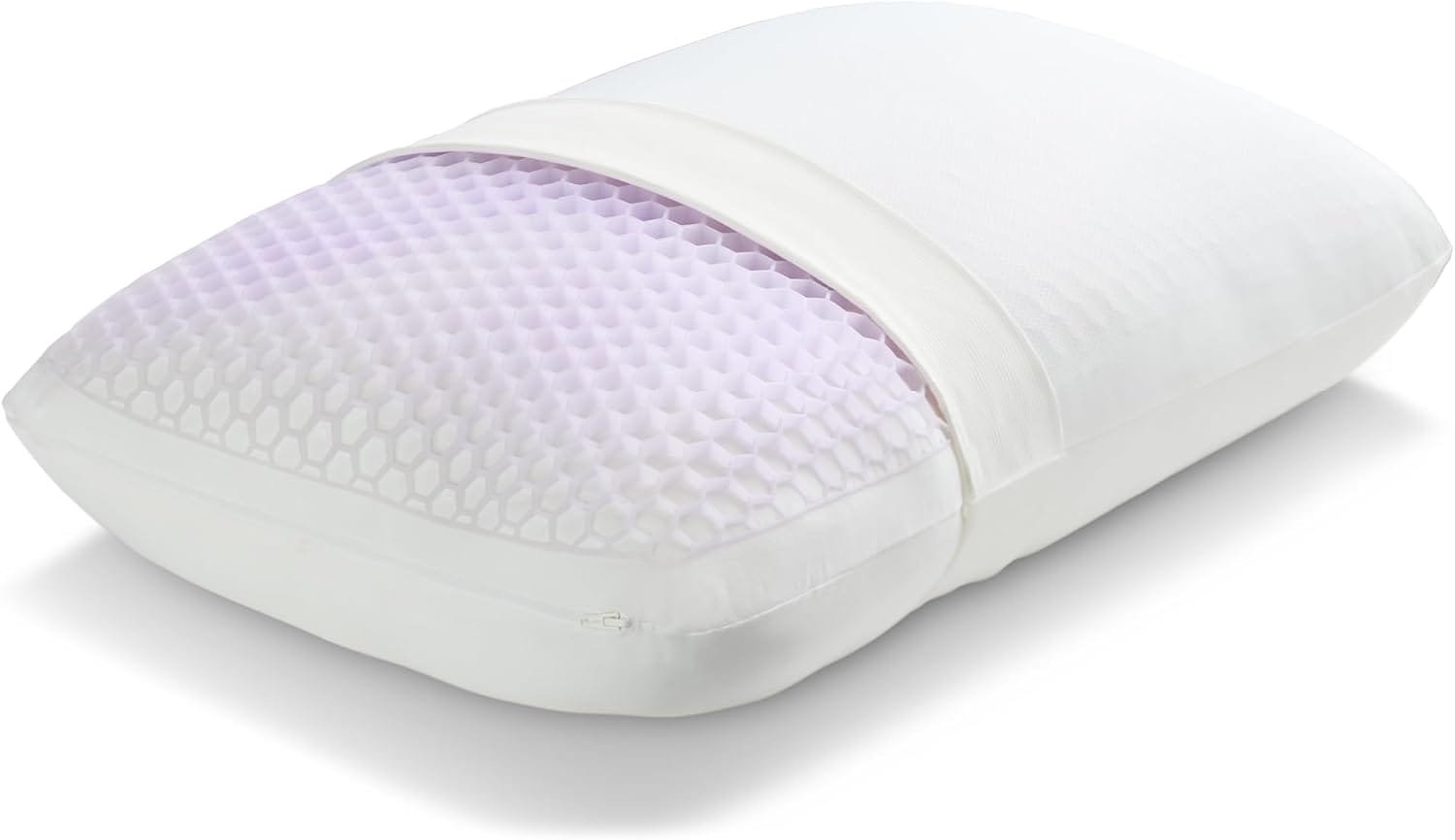
If you regularly wake up feeling hot, start toward the cooler end of a comfortable range and look beyond the thermostat. Heavy bedding, foam layers that retain heat, non-breathable sleepwear, limited airflow, and high humidity can all contribute to overheating.
- Use lighter or more breathable bedding.
- Improve airflow with a fan when appropriate.
- Choose sleepwear that does not trap excessive heat.
- Consider whether your mattress or topper retains heat.
- Pay attention to bedroom humidity as well as temperature.
Best Sleeping Temperature for Cold Sleepers
Cold sleepers do not need to force themselves to tolerate an uncomfortable 65°F bedroom. Try a slightly warmer setting or adjust the insulation around your body with suitable sleepwear and bedding.
The objective is to stay comfortably warm without creating a room or bed environment that leaves you sweating later in the night.
Best Sleep Temperature for Older Adults
Temperature comfort and thermoregulation can change with age. The National Institute on Aging recommends keeping the bedroom comfortable and not too hot or cold. Rather than aiming for one exact number, prioritize a stable temperature that does not leave the sleeper chilled or overheated.
What If 65°F Feels Too Cold?
Then do not force it. The commonly cited 65°F setting is not a medical requirement. Try increasing the thermostat slightly and evaluate how you actually sleep.
A useful approach is to change only one variable at a time. If you alter the thermostat, duvet, pajamas, fan speed, and humidity simultaneously, it becomes difficult to know what helped.
Is 68°F Too Warm for Sleeping?
Not necessarily. 68°F (20°C) is slightly warmer than some commonly cited sleep-temperature recommendations, but it may still be comfortable for many people depending on bedding, humidity, airflow, and personal preference. If you sleep comfortably without overheating or repeatedly waking, the number itself matters less than the result.
Is 70°F Too Hot for Sleeping?
70°F (about 21°C) may feel too warm for some sleepers, especially with heavy bedding or poor airflow, but it is not automatically “too hot” for everyone. If you wake sweaty, throw off the covers repeatedly, or feel uncomfortably warm, lowering the temperature gradually may help.
Should Your Bedroom Temperature Change During the Night?
Your thermostat does not necessarily have to remain at exactly the same setting all night. Some people find it useful to pre-cool the bedroom before bedtime or use a thermostat schedule that changes gradually overnight.
If you experiment with scheduled temperature changes, keep them modest. Large swings can make you uncomfortable and make it harder to determine which setting actually supports your sleep.
Room Temperature vs. Bed Temperature
The thermostat measures the room, but you sleep inside a smaller bed microclimate created by your mattress, sheets, blankets, sleepwear, and body heat. That microclimate can feel considerably warmer than the surrounding bedroom.
This helps explain why two people in the same 65°F bedroom can have completely different experiences. One may be comfortable under light sheets while another overheats beneath a heavy comforter.
How Bedding Affects Your Ideal Sleeping Temperature
Bedding changes how easily heat moves away from your body. Thick blankets and highly insulating materials can make a cool bedroom feel much warmer, while lightweight bedding can make the same thermostat setting feel cooler.
For couples with different temperature preferences, changing bedding on each side of the bed can sometimes be more practical than continually changing the whole-room thermostat.
How Humidity Affects Sleep Temperature
Humidity influences how warm a room feels and how effectively sweat evaporates. A humid bedroom may feel uncomfortable even when the thermostat appears relatively cool. Very dry air can create a different set of comfort problems.
When troubleshooting a bedroom that feels too hot, consider both temperature and humidity rather than focusing on the thermostat alone.
How to Cool Your Bedroom Without Making It Too Cold
- Improve air circulation.
- Use lighter, breathable bedding.
- Reduce unnecessary heat sources in the bedroom.
- Block excessive daytime heat where practical.
- Choose lighter sleepwear.
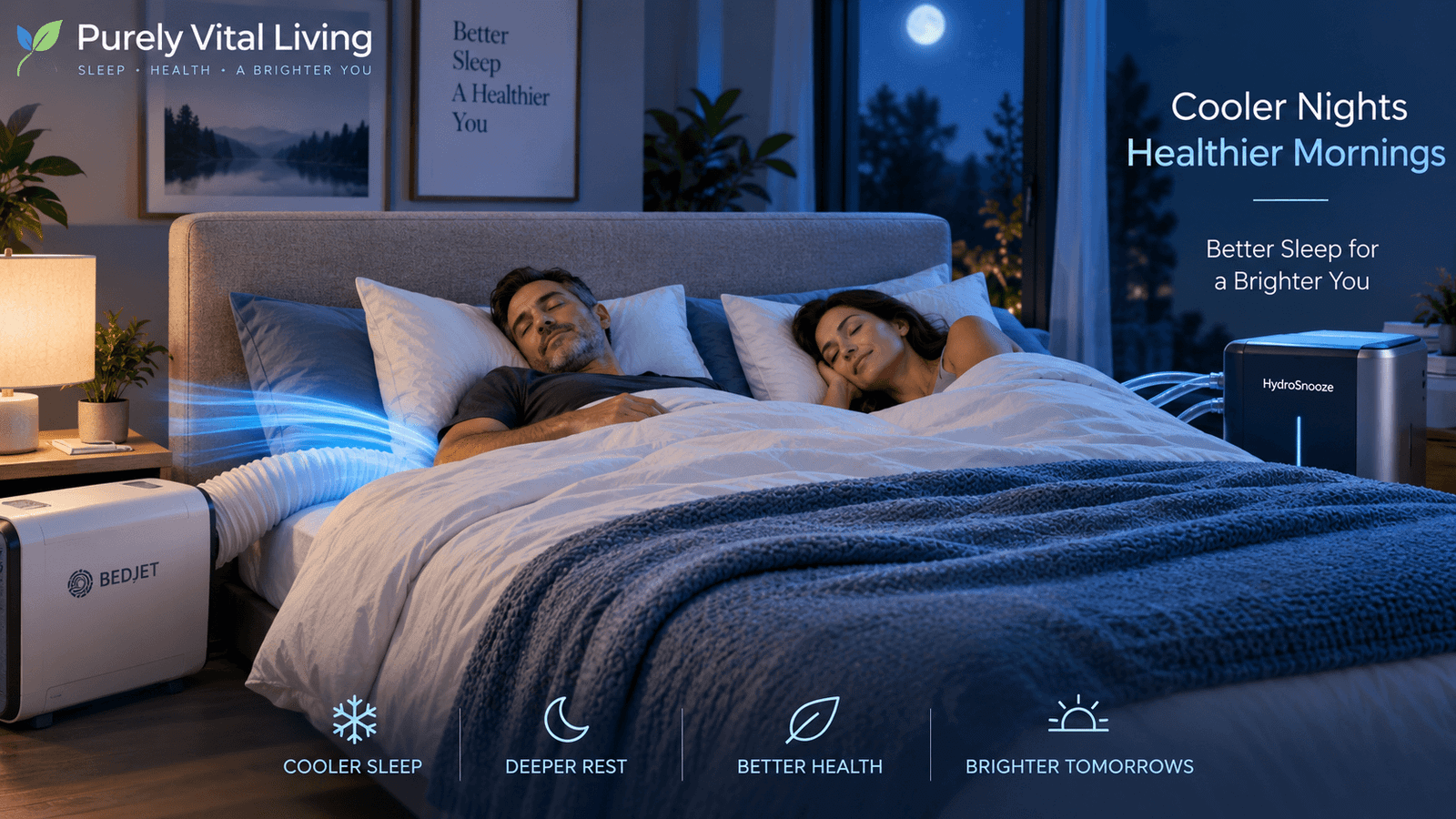
- Consider targeted bed cooling if the room is comfortable but the bed still feels hot.
If the main problem is heat trapped around your body rather than an excessively warm room, targeted cooling may be more comfortable than turning the entire bedroom colder.
How to Find Your Personal Best Sleeping Temperature
Instead of searching for one universal number, run a simple experiment while keeping your bedding and sleepwear reasonably consistent.
The PVL 7-Day Sleep Temperature Test
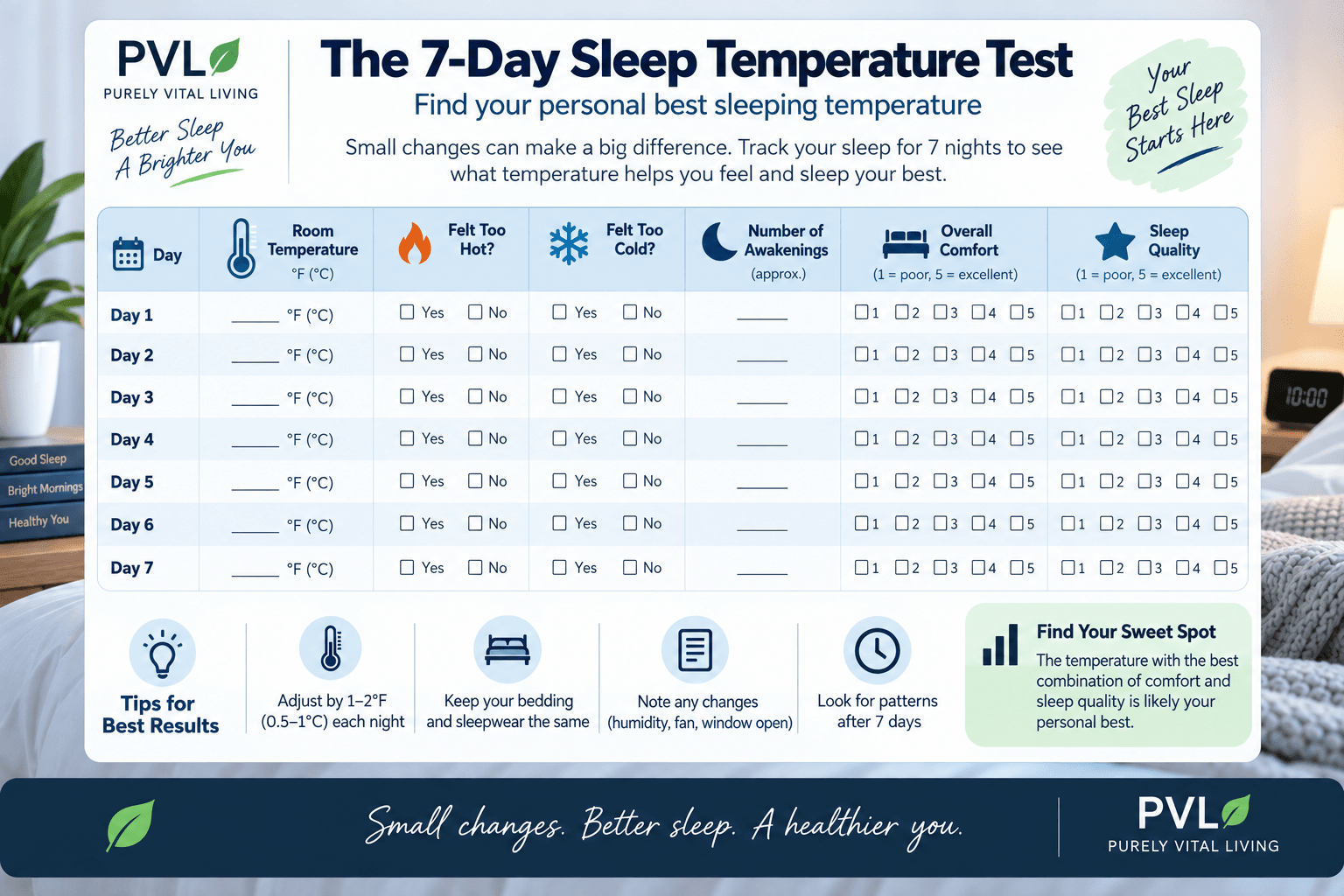
- Start at a temperature you already find reasonably comfortable.
- Keep your bedding and sleepwear as consistent as possible.
- Adjust the thermostat by only 1–2°F at a time.
- Each morning, note whether you woke feeling hot or cold.
- Track nighttime awakenings and how easily you fell asleep.
- If you use a sleep tracker, note the data without treating the score as a diagnosis.
- After a week, compare comfort and sleep patterns rather than choosing the coldest setting.
You can also use the PVL Sleep Score Calculator to take a broader look at your sleep habits. If you want to focus specifically on sleep duration, the Sleep Debt Calculator estimates how far your recent sleep has fallen below your selected target over 7 or 14 nights.
When Temperature Isn’t the Reason You’re Sleeping Poorly
Bedroom temperature is only one part of healthy sleep. Light exposure, noise, caffeine timing, stress, inconsistent schedules, exercise, alcohol, and underlying sleep or health problems can also affect how well you sleep. If nighttime noise is another problem in your room, our guide to the best sounds for sleep compares white, pink, and brown noise with rain and other nature sounds.
If changing your bedroom environment does not help, review the broader foundations in our guide to improving sleep quality naturally. If sleep problems are persistent, severe, or accompanied by symptoms such as loud snoring, breathing pauses, significant daytime sleepiness, or unexplained night sweats, consider discussing them with a qualified healthcare professional.
Frequently Asked Questions
What is the best sleeping temperature?
For many adults, roughly 60–67°F (16–19°C) is a useful starting range. Around 65°F (18°C) is commonly suggested, but the temperature that feels best can vary with bedding, humidity, sleepwear, airflow, age, and whether you naturally sleep hot or cold. Treat the range as a starting point rather than a fixed target.
Is 65°F the best temperature for sleep?
65°F (18°C) is a useful starting point, not a universal requirement. It sits within the commonly recommended 60–67°F range for adults. If you feel too cold or too warm at 65°F, adjust the thermostat gradually and consider your bedding, sleepwear, humidity, and airflow before deciding which setting works best.
Is 68°F too warm for sleeping?
No. 68°F (20°C) is not automatically too warm for sleeping. It may be comfortable for many people, especially with light bedding and good airflow. Your bedding, humidity, sleepwear, mattress, and personal temperature preference can change how 68°F feels, so comfort and sleep continuity matter more than hitting one exact number.
Is 70°F too hot for sleep?
70°F (about 21°C) can be too warm for some sleepers, but there is no universal cutoff. Hot sleepers and people using heavy bedding may notice overheating sooner. Sweating, repeatedly throwing off the covers, feeling restless, or waking because you feel hot are practical signs that lowering the temperature gradually may help.
Is 18°C a good temperature for sleeping?
Yes. 18°C (about 64°F) is a good starting temperature for many adults. It falls within the commonly recommended 60–67°F (16–19°C) range. You do not need to stay at 18°C if it feels uncomfortable; adjust gradually for your bedding, sleepwear, airflow, humidity, and personal preference.
Why do I wake up hot even when my bedroom is cool?
You can wake up hot because the temperature inside your bed is different from the room temperature. Heavy bedding, heat-retaining mattress materials, sleepwear, humidity, and your own body heat can warm the bed microclimate even when the bedroom feels cool. Persistent or unexplained night sweats should be discussed with a healthcare professional.
Should I sleep with a fan or air conditioner?
Yes, a fan or air conditioner can help when it keeps your bedroom comfortably cool. A fan mainly improves airflow and may help heat and moisture feel less trapped, while air conditioning can lower room temperature and often humidity. Use whichever option creates a stable sleep environment without leaving you excessively cold or uncomfortable.
Does the ideal sleep temperature change with age?
Yes. Temperature regulation and thermal comfort can change with age. There is no single temperature that every older adult should use. The National Institute on Aging recommends keeping the bedroom comfortable and not too hot or cold, so comfort and safety should take priority over trying to meet one exact thermostat number.
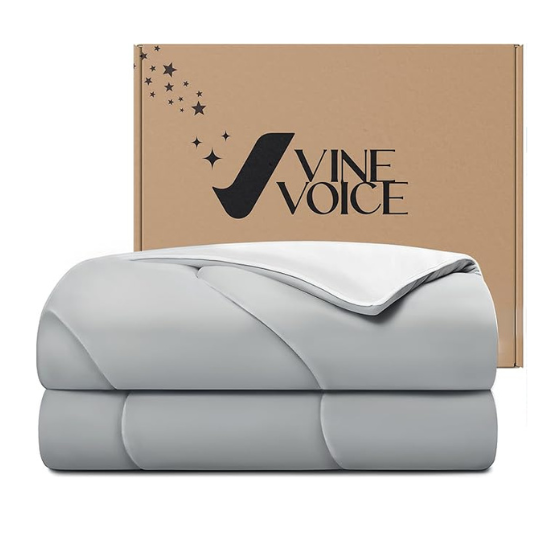
Cooling Bedding Option for Hot Sleepers
The Bottom Line
The best sleeping temperature is not one magic thermostat setting. A range around 60–67°F (16–19°C) is a practical place for many adults to start, with roughly 65°F (18°C) often used as a reference point. From there, adjust for your body, bedding, humidity, and whether you naturally sleep hot or cold.
Rather than forcing yourself to sleep at a temperature that feels uncomfortable, make small changes and pay attention to how well you actually sleep. The best setting is the one that helps create a consistently comfortable sleep environment.
Related Reads
- 5 Best Bed Cooling Systems for Hot Sleepers in 2026
- How to Improve Deep Sleep: 10 Science-Backed Strategies
- How to Improve Sleep Quality Naturally
- How to Fall Asleep Faster Naturally
- PVL Sleep Score Calculator