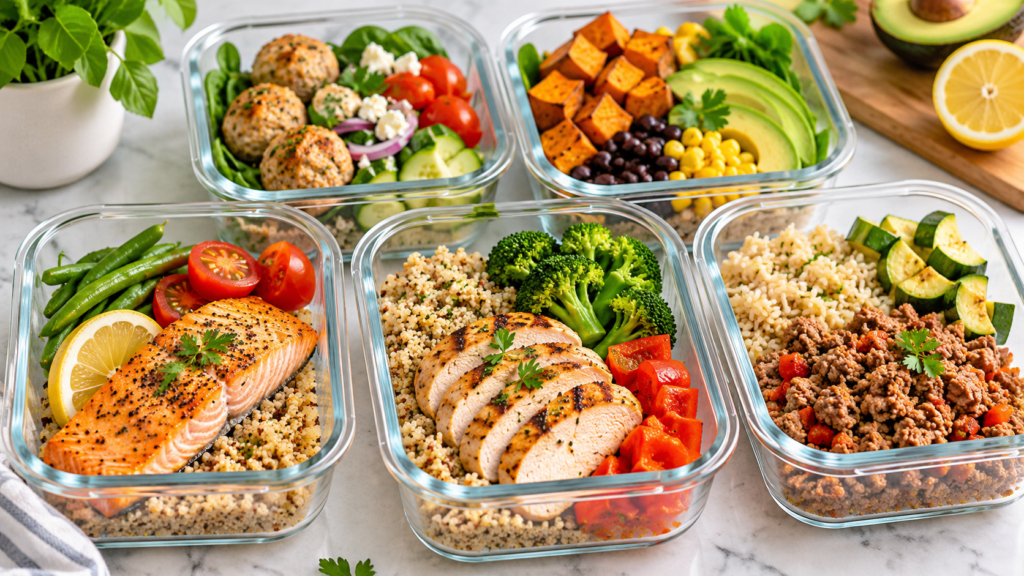
Five healthy meal-prep containers with chicken, salmon, grains, vegetables and beans

Meal Prep for Weight Loss: 7-Day Plan + Easy Recipes

Meal prep for weight loss is the practice of planning and preparing balanced meals ahead of time to make satisfying, appropriately portioned food easier to choose. A practical routine combines protein, vegetables, fiber-rich carbohydrates, and healthy fats; uses refrigerated portions within 3–4 days; and freezes meals needed later. Meal prep supports consistency but does not guarantee weight loss.

Quick start: Choose two proteins, two high-fiber carbohydrates, and three vegetables; prepare a few versatile components; refrigerate the next 3–4 days of meals and freeze later portions promptly. Your calorie needs depend on your body, activity, health, and goals.

How does meal prep support weight loss?

Preparing meals ahead can make portion planning, grocery budgeting, and regular eating easier. Weight loss generally requires an energy deficit over time, but no particular recipe or meal-prep schedule guarantees weight loss. Include enough food to feel satisfied and maintain energy. If you have diabetes, a history of disordered eating, are pregnant, or have other special nutrition needs, seek individualized advice from a qualified clinician or registered dietitian.

What should a balanced meal-prep plate include?

Start with approximately half a plate of non-starchy vegetables, one quarter protein-rich foods, and one quarter whole grains or starchy vegetables, adjusting proportions to your needs. Add a moderate portion of unsaturated fat, such as olive oil or avocado. Protein options include chicken, fish, eggs, tofu, lentils, and beans; fiber-rich choices include oats, brown rice, quinoa, vegetables, and fruit.

Rather than prescribing a universal 1,200- or 1,500-calorie plan, use the example menu below as a flexible framework. Serving sizes, sauces, oils, and brands materially change calories and protein.
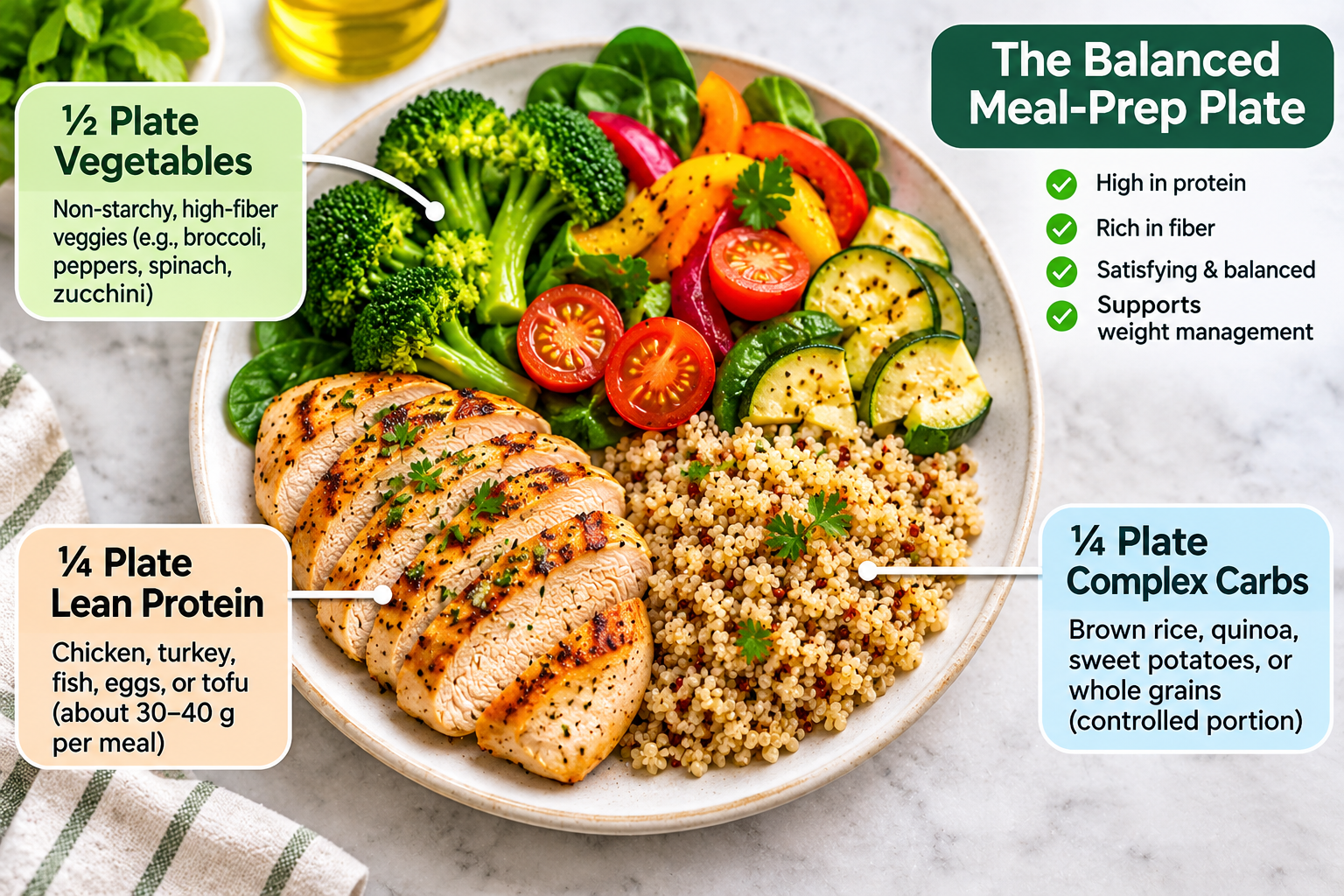
Balanced meal-prep plate showing half vegetables, one-quarter lean protein and one-quarter whole grains
A flexible meal-prep plate: vegetables, lean protein and whole grains. Adjust portions to individual needs.

What does a 7-day meal-prep plan look like?

This mix-and-match menu is an example, not a fixed-calorie diet. Add or adjust snacks and portions according to your individual needs. Each meal can be adapted for vegetarian diets by swapping chicken or fish for tofu, tempeh, or legumes.

DayBreakfastLunchDinner
MondayGreek yogurt, oats and berriesLemon chicken, quinoa and broccoliTurkey and bean chili
TuesdayEgg and spinach breakfast wrapChicken, quinoa and roasted peppersChili with a side salad
WednesdayOvernight oats with chiaChickpea and cucumber grain bowlSalmon, sweet potato and green beans
ThursdayGreek yogurt and fruitTurkey chili and brown riceTofu and vegetable stir-fry
FridayEgg and spinach wrapChicken and roasted vegetable bowlBlack bean and sweet potato tacos
SaturdayOvernight oatsTuna or chickpea salad wrapFrozen portion of chili and vegetables
SundayYogurt, berries and nutsLeftover grain bowlSheet-pan chicken or tofu with vegetables

Snack options: fruit with yogurt, carrots and hummus, cottage cheese, or a small serving of nuts. Choose what suits your appetite and overall intake. Freeze meals intended for later in the week rather than keeping cooked Monday meals in the refrigerator until Sunday.
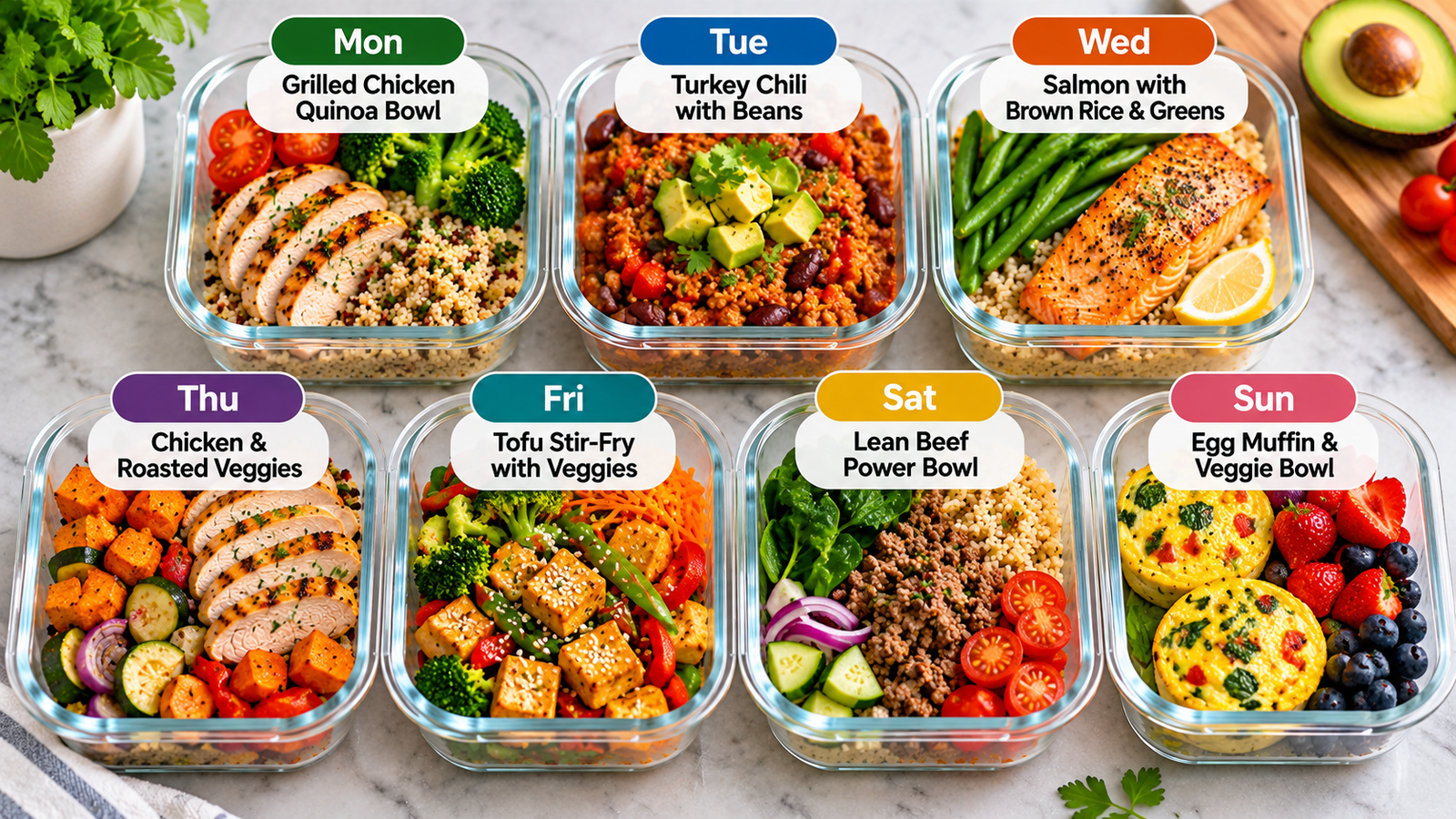
Seven meal-prep examples labeled Monday through Sunday, featuring chicken, turkey chili, salmon, tofu, vegetables and egg muffins
Seven varied meal-prep ideas for the week. Refrigerate meals for only 3–4 days and freeze later portions.
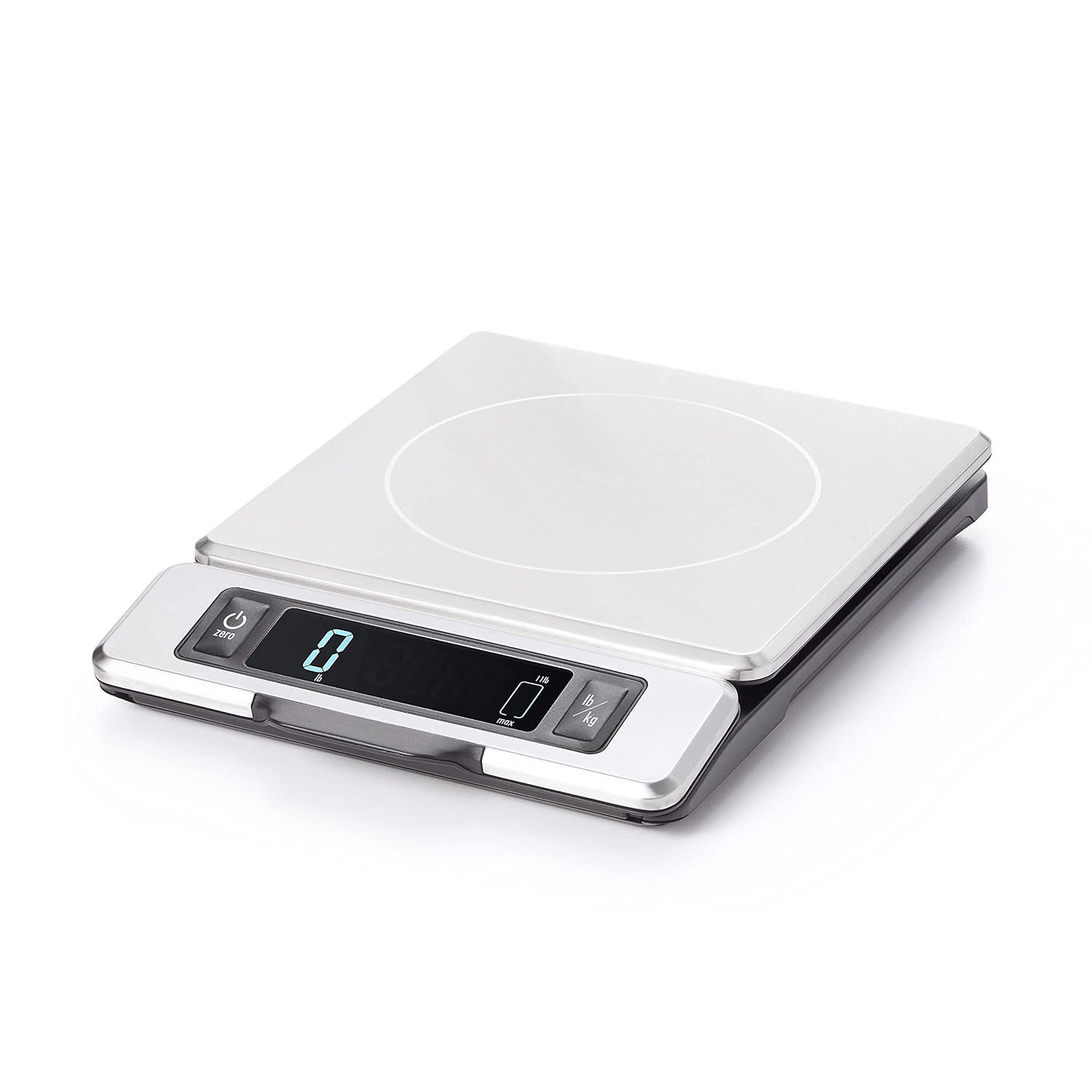
OXO Good Grips 11-Pound Food Scale

PVL pick — Meal Prep Portioning

OXO Good Grips 11-Pound Food Scale

A digital kitchen scale with a pull-out display and tare function for weighing recipe ingredients and dividing batches into portions.

Five easy meal-prep recipes

1. Lemon chicken, quinoa and broccoli bowls

Four servings. Ingredients: 1 lb (450 g) boneless chicken breast, 1 cup dry quinoa, 4 cups broccoli florets, 1 tablespoon olive oil, lemon juice, garlic, pepper, and herbs. Cook quinoa according to its package. Roast chicken and broccoli separately or together on a sheet pan at 425°F (218°C) until chicken reaches 165°F (74°C) internally and vegetables are tender; timing depends on thickness. Divide into four containers and finish with lemon.

2. Turkey and bean chili

Four to six servings. Brown 1 lb (450 g) lean ground turkey; add one drained can of black beans, one can of kidney beans, one large can of crushed tomatoes, chopped onion, bell pepper, chili powder, and cumin. Simmer 20–30 minutes until the turkey is fully cooked to 165°F (74°C). Portion with a vegetable side or brown rice.

3. Berry overnight oats

One serving. Stir together ½ cup rolled oats, ½ cup plain Greek yogurt, ½ cup milk, 1 tablespoon chia seeds, and ½ cup berries. Refrigerate overnight. Use pasteurized dairy and keep chilled; prepare only a few days ahead.

4. Chickpea grain bowls

Two servings. Divide 1 cup cooked quinoa, one drained can of chickpeas, chopped cucumber, cherry tomatoes, spinach, and 2 teaspoons olive oil between bowls. Keep dressing separate and add lemon before serving. For extra protein, add tofu or a hard-boiled egg.

5. Tofu and vegetable stir-fry

Three servings. Pat dry a 14-oz (400 g) package of firm tofu. Sauté with 4 cups mixed vegetables and 1 tablespoon oil. Season with reduced-sodium soy sauce, garlic, and ginger. Serve with cooked brown rice; cool promptly before storing.

Nutrition note: Exact calories and protein are not listed because ingredient brands, yields, and actual portions have not been calculated and verified. Add tested per-serving values before publishing any nutrition claims or Recipe nutrition markup.

Budget-friendly grocery list

For a flexible week, start with oats, brown rice or quinoa, eggs, plain yogurt, chicken or tofu, canned beans, seasonal or frozen vegetables, fruit, olive oil, and a few spices. Buy store brands, compare unit prices, use frozen produce, and plan two or three recipes that share ingredients. Adjust quantities for household size and how many meals you will eat at home.
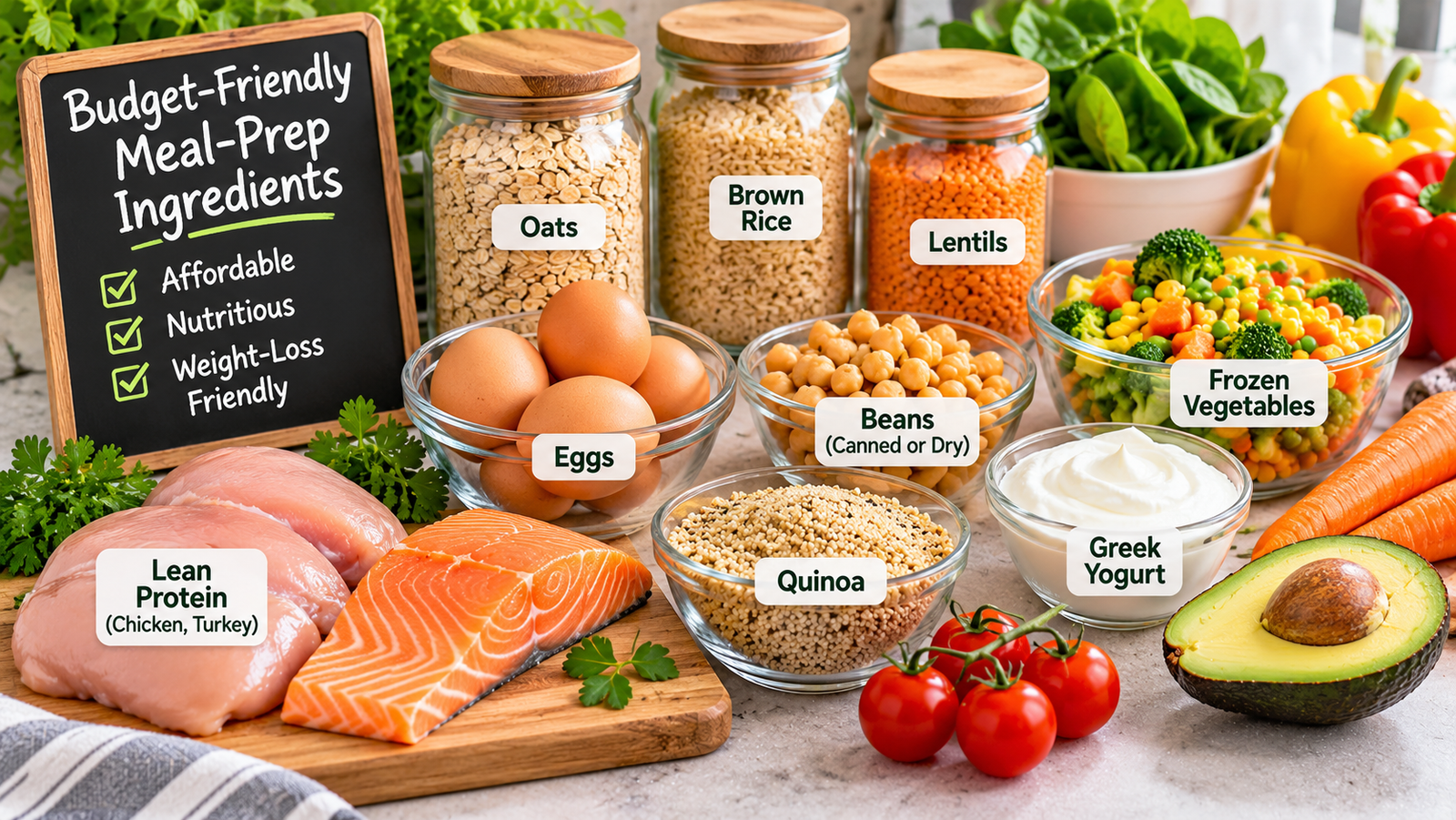
Budget-friendly meal-prep ingredients including oats, rice, lentils, eggs, beans, frozen vegetables and yogurt
Affordable staples such as oats, beans, lentils and frozen vegetables can make weekly meal prep more practical.

How can you meal prep in about 90 minutes?

  1. First 15 minutes: Wash hands, review recipes, preheat the oven, rinse produce, and start grains.
  2. Next 30 minutes: Roast vegetables and cook proteins to safe internal temperatures.
  3. Next 20 minutes: Simmer chili or beans and mix overnight oats.
  4. Next 15 minutes: Assemble bowls with sauces stored separately.
  5. Final 10 minutes: Transfer food to shallow containers, label dates, and refrigerate or freeze promptly.

The 90-minute timeline is an estimate; actual time depends on equipment, recipe quantities, and cooking experience. Avoid cross-contamination by separating raw meat from ready-to-eat foods.

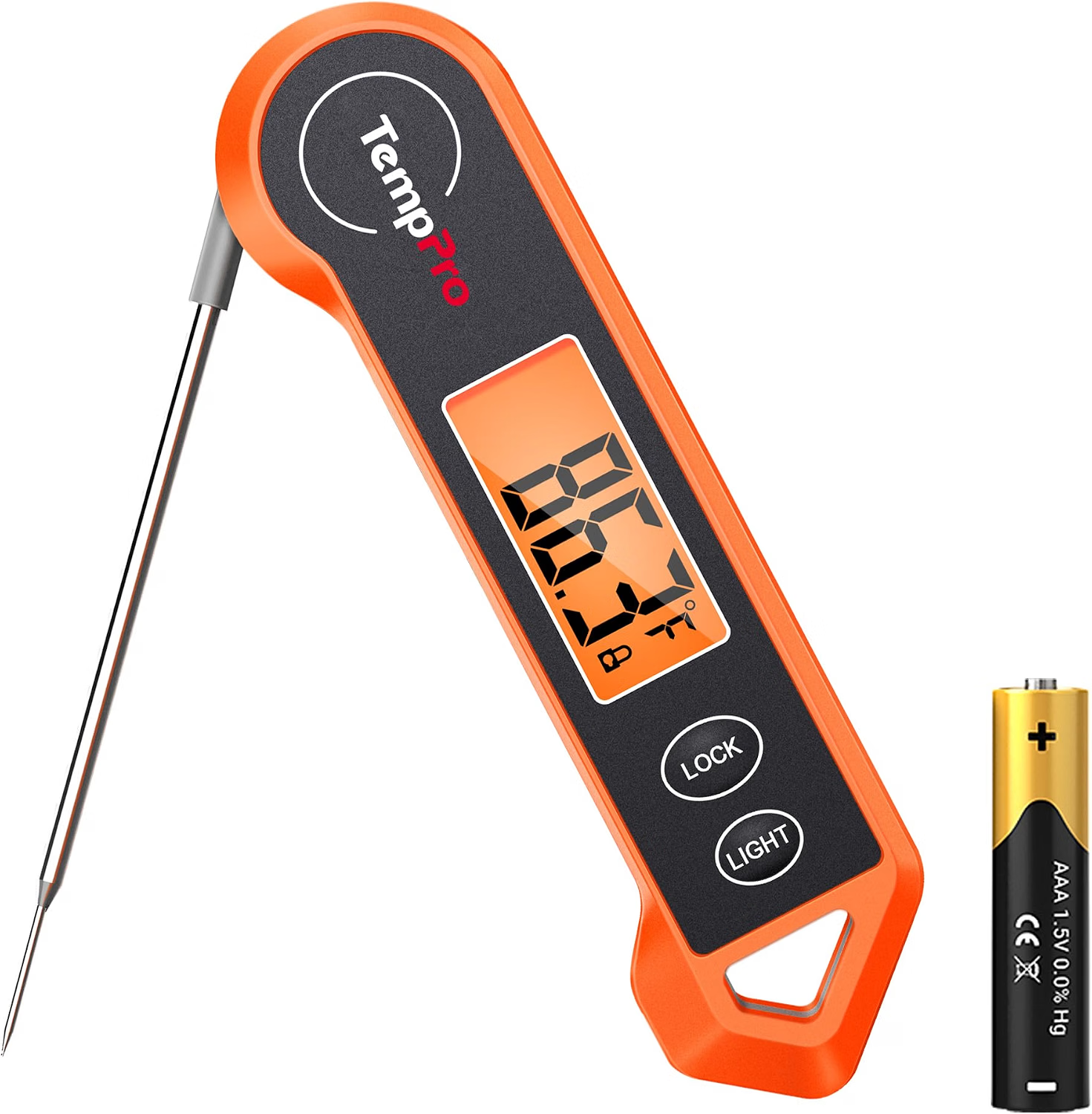
ThermoPro TP19H Meat Thermometer

PVL pick — Safe Cooking Checks

ThermoPro TP19H Meat Thermometer

An instant-read thermometer with a rotating backlit display for checking the internal temperature of chicken, turkey, and other cooked foods.

How long can meal-prepped food be stored safely?

Refrigerate perishable cooked foods within two hours (within one hour when temperatures exceed 90°F/32°C), using shallow containers for rapid cooling. Keep the refrigerator at or below 40°F (4°C). Most cooked leftovers should be eaten within 3–4 days or frozen for later. Reheat leftovers to 165°F (74°C). Follow package directions for frozen foods and check that containers are food-safe, leak-resistant, and suitable for microwave or freezer use as applicable.

Glass containers resist staining but are heavier; lightweight plastic containers are convenient if marked food-safe and microwave-safe. Compartments can keep sauces or crunchy ingredients separate, but a special container is not required for weight loss.

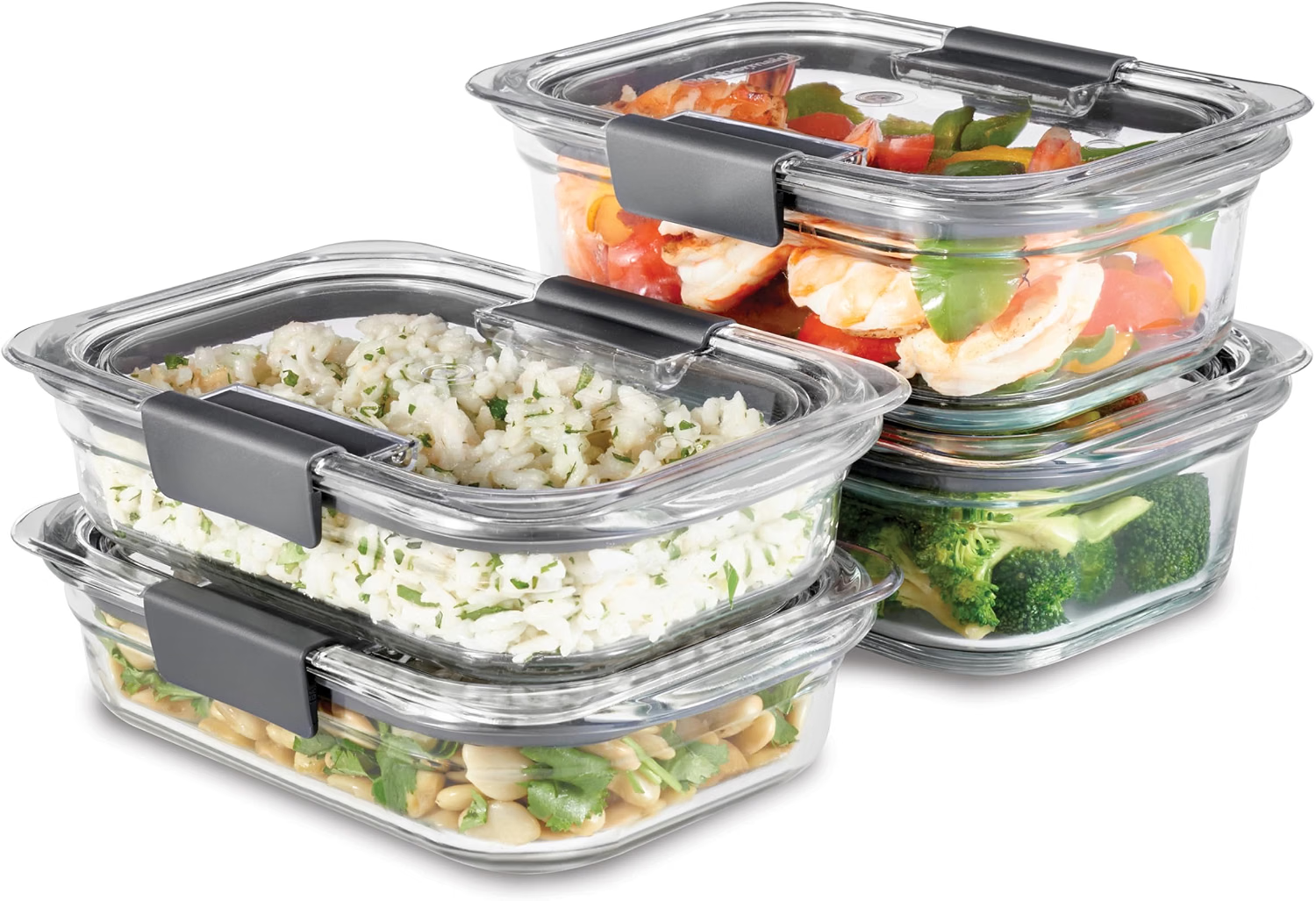
Rubbermaid Brilliance Glass Containers

PVL pick — Meal Prep Food Storage

Rubbermaid Brilliance Glass Containers

Reusable glass food-storage containers with secure lids for packing, refrigerating, and reheating prepared meals according to product directions.

Common mistakes to avoid

  • Making meals too small: Overly restrictive portions may leave you hungry and make the routine hard to sustain.
  • Ignoring oils and sauces: Include them in portion planning without treating them as forbidden foods.
  • Cooking seven days of refrigerated meals at once: Freeze later servings or schedule a midweek prep session.
  • Repeating one meal endlessly: Rotate sauces, spices, vegetables, and proteins.
  • Skipping flexibility: Leave room for restaurant meals, family meals, and changing schedules.

How to customize your meal-prep plan without a restrictive diet

A seven-day menu works best as a starting point rather than a rigid set of rules. If you are hungry between meals, consider whether your meals contain enough protein, fiber, and overall energy. Add fruit, yogurt, beans, vegetables, or another satisfying food instead of automatically cutting portions. If your activity level changes from day to day, your food needs may change too. Weight loss is influenced by long-term habits, not whether every individual lunch matches a spreadsheet.

Use the menu as a rotation: repeat two favorite lunches, alternate two dinners, and keep breakfast simple. For example, prepare a chicken-and-quinoa bowl for Monday and Tuesday, a chickpea bowl for Wednesday, and a frozen chili portion for a busy Thursday. This reduces decision fatigue while leaving space for meals with family or friends. If you dislike a listed ingredient, swap it for a similar food you enjoy rather than forcing yourself to eat it.

How can you add more protein and fiber to meal prep?

Protein and fiber can help make meals satisfying, although no single nutrient guarantees fat loss. To increase protein, add plain Greek yogurt to breakfast, include beans alongside lean poultry, or use tofu, lentils, or eggs in grain bowls. To increase fiber, choose whole grains, add a second vegetable, keep edible fruit skins when appropriate, or use beans in soups and chili. Increase fiber gradually and drink fluids according to your needs, particularly if a sudden increase causes bloating.

Rather than aiming for an arbitrary protein number at every meal, look at the entire day and your individual requirements. People with kidney disease or other medical conditions may need personalized protein guidance. A balanced plan should still include carbohydrates and dietary fats: both contribute to energy, food enjoyment, and nutritional adequacy.

Low-cost meal prep swaps that reduce food waste

Budget-friendly meal prep starts before you cook. Check your refrigerator and pantry, choose recipes that share ingredients, and write a shopping list based on realistic servings. Frozen broccoli can replace fresh broccoli, canned beans can replace some meat, and store-brand oats or rice can be convenient staples. Compare unit prices rather than assuming a larger package is always cheaper.

Keep one flexible meal for leftover ingredients. Roasted vegetables can become a wrap filling; cooked grains can be added to a soup; and extra chickpeas can become a quick salad. Do not reuse food that has exceeded safe storage limits. When a recipe makes more servings than you need within three to four days, freeze individual portions promptly and label them with the preparation date.

Meal prep for busy schedules: three realistic approaches

Full batch prep: Set aside a longer cooking session and prepare several components at once. This works well if your schedule is predictable and you have enough freezer space.

Split-session prep: Cook grains, proteins, and vegetables on Sunday, then refresh salads or cook a second protein midweek. This can improve variety and simplify refrigerator storage.

Assembly-only prep: Use ready-to-eat canned beans, washed greens, microwaveable grains, and other convenient ingredients. Check labels for sodium, added sauces, and portion sizes. Convenience foods are not automatically incompatible with a nutritious weight-loss plan.

If you are comparing homemade prep with a meal-delivery subscription, consider cost per serving, preparation time, ingredient preferences, protein and fiber, and how much flexibility the service allows. Neither approach is inherently more effective for weight loss; consistency and nutritional suitability matter more than the delivery method.

Frequently asked questions

How do I start meal prepping for fat loss on a budget?

Pick two low-cost proteins such as eggs and beans, one bulk grain, and frozen or seasonal vegetables. Cook a few reusable ingredients and assemble different combinations. Planning around grocery sales and foods you already own can reduce waste.

What are the best high-protein, lower-calorie meal-prep options?

Examples include chicken and vegetable bowls, tofu stir-fries, Greek yogurt with berries, tuna or chickpea salads, and lean turkey chili. Total calories depend on portions and added fats or sauces.

Is meal delivery better than homemade meal prep for weight loss?

Neither is automatically better. Delivery can save time and may provide nutrition information; homemade meals generally offer more ingredient control and can be less expensive. Compare total cost, serving size, protein, fiber, and sodium.

How many days ahead can I meal prep?

Most cooked leftovers can be refrigerated for 3–4 days. Freeze portions planned for later in the week, and thaw safely in the refrigerator or using another approved method.

Do I need to count calories?

Not necessarily. Some people find tracking helpful, while others prefer balanced portions and consistent habits. If tracking causes stress or obsessive behavior, a non-tracking approach with professional support may be more appropriate.

References

  1. USDA MyPlate — balanced meal planning
  2. FoodSafety.gov — cold food storage charts
  3. FoodSafety.gov — safe minimum internal temperatures

Editorial note: This is a general educational meal plan, not individualized medical advice. Nutrition values and product recommendations should be verified before publication.

Leave a Comment

Your email address will not be published. Required fields are marked *